
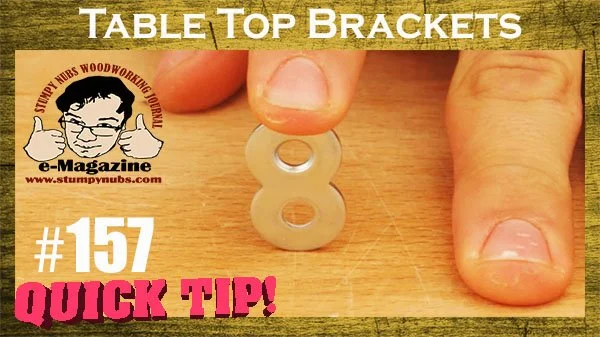
FIGURE-8 TABLE TOP BRACKETS THE RIGHT WAY
Learn how to correctly install figure-8 fasteners for table tops, prevent cracking from wood movement, and explore reliable alternatives like Z-clips and wooden brackets.
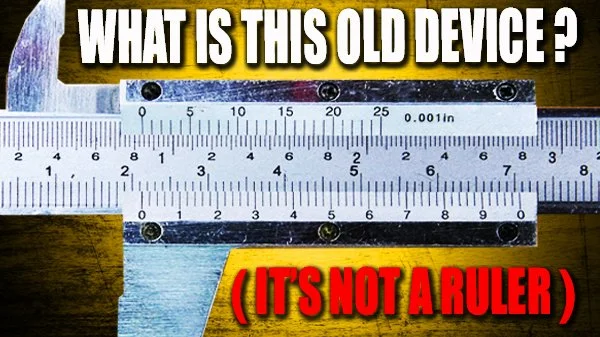
WHY YOU NEED A VERNIER SCALE
A vernier caliper may look intimidating, but once you shift from fractions to decimals, it becomes one of the most precise measuring tools in the shop. With a little practice, you’ll be able to read measurements down to thousandths of an inch or hundredths of a millimeter with total confidence.
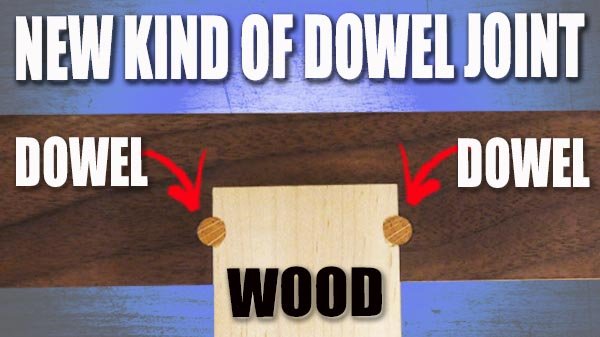
IS THIS DOWEL JOINT A GAME CHANGER?
Is the viral pinned dowel joint genius or gimmick? Learn the truth about its strength, looks, and whether it’s worth using beyond social media clickbait.
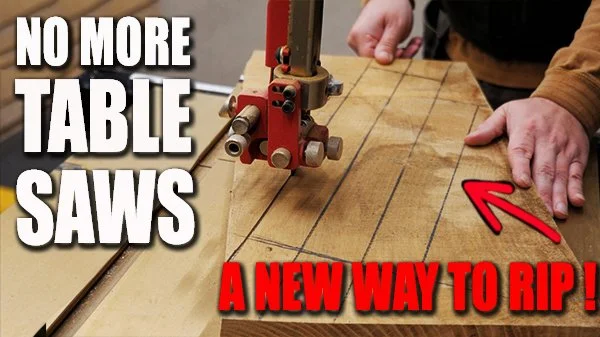
HOW TO RIP CUT WITH A BAND SAW
Learn why ripping on a band saw can be safer and smarter than using a table saw. Get pro tips on blades, setup, and cutting technique for clean results.
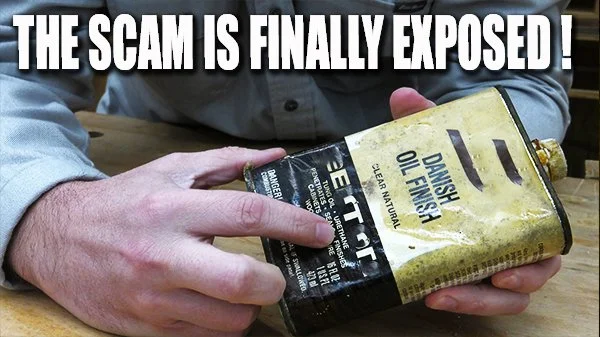
THE OIL FINISHES SCAM
Discover the truth behind tung and Danish oils—most are overpriced blends. Learn how to make your own pro-grade wood finish and save big.
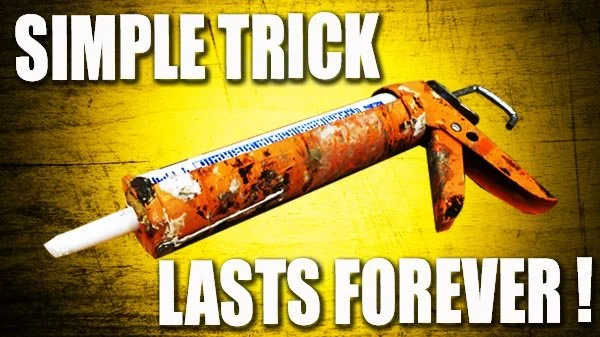
HOW TO MAKE CAULK & ADHESIVE LAST FOREVER
Stop wasting half-used tubes of caulk! These two airtight sealing tricks—a glove finger sleeve and a hot glue cap—keep your caulk or adhesive fresh for months, ready for the next job.
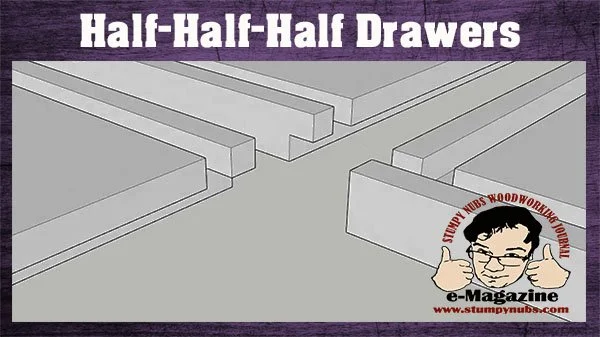
FAST AND EASY DRAWERS: THE HALF-HALF-HALF METHOD
Build strong, precise drawers fast with the half-half-half method. One table saw setup cuts all joints—no dovetails or complex setups needed.
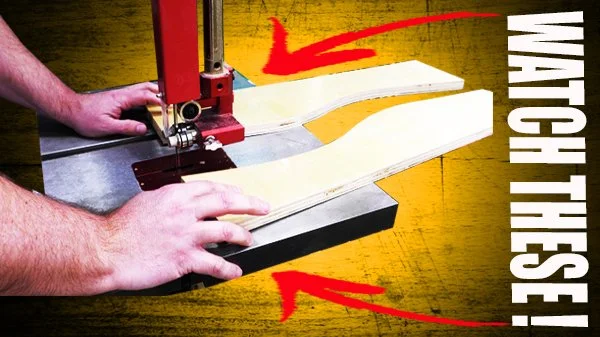
THE MISUNDERSTOOD BANDSAW FOOT BREAK
Learn why some bandsaws feature a mechanical foot brake and how it improves safety and convenience in the shop. Discover how a foot brake lets you stop the blade instantly and maintain full control while cutting.
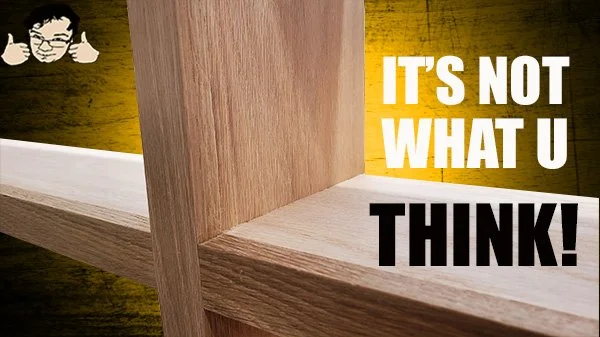
RED VS WHITE OAK - IMPORTANT DIFFERENCES
Red oak and white oak may look similar, but their differences can make or break your project. This guide cuts through the confusion with simple, woodworker-focused advice on how to tell them apart and when to use each.
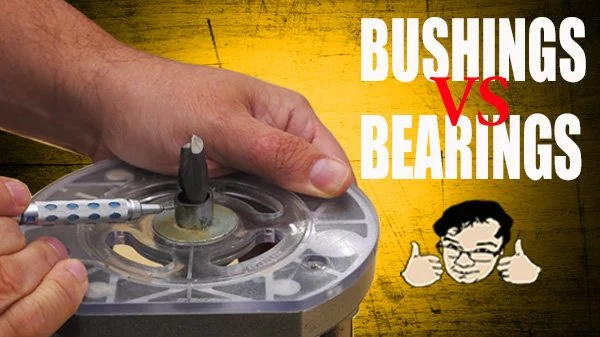
ROUTER BUSHINGS VS BEARINGS: WHAT YOU SHOULD KNOW
Router bushings and bearing-guided bits may seem similar, but they serve very different purposes. This guide explains when to use each one—so your mortises, templates, and flush trims come out accurate, clean, and safe.
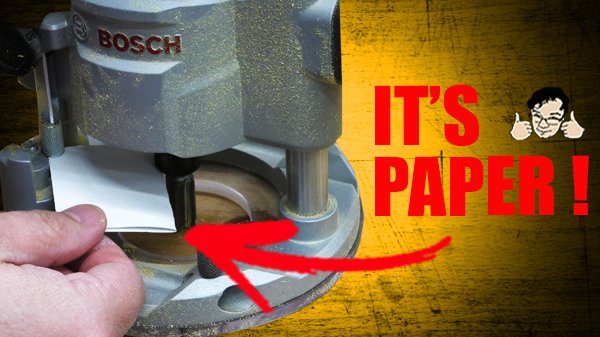
HOW TO PROPERLY USE A PLUNGE ROUTER
A plunge router isn’t just a fixed-base router that moves up and down—it’s a precision machine packed with features that can transform your woodworking. Learn how to master its depth stop, micro-adjustments, and setup tricks for cleaner cuts, safer mortises, and flawless inlays.

WHAT’S THE LITTLE DIAL ON YOUR SANDER FOR?
Sanding speed can make the difference between a flawless surface and ugly pigtail scratches. This guide explains how to balance sander RPMs with hand movement for smoother, cleaner results every time.
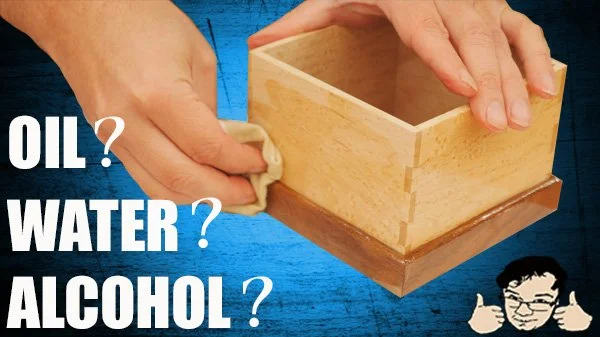
THE CHALLENGES OF MIXING WOOD FINISHES
Mixing wood finishes doesn’t have to be a gamble—this guide breaks down which oils, polys, shellacs, and waxes play well together (and which don’t). With clear rules and pro tips, you’ll avoid sticky disasters and get the finish you actually want.
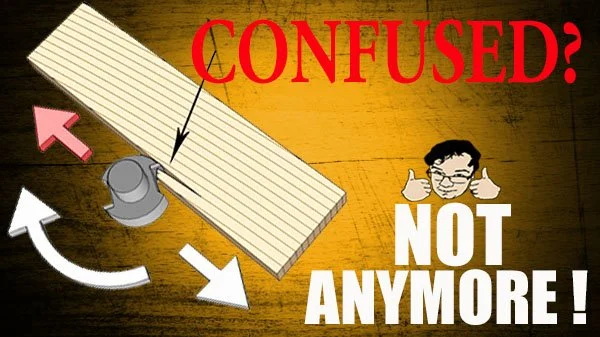
THE COMMON MISUNDERSTANDING OF SAFE ROUTER FEED DIRECTION
Feeding a router the wrong way can ruin your cut—or worse, be dangerous. This guide explains push cuts vs. climb cuts, when to use each, and how feed direction changes between handheld routers and router tables.
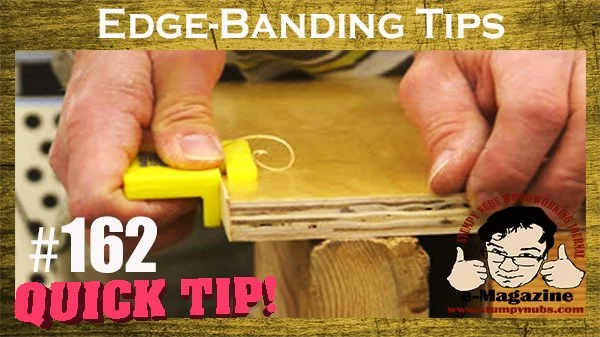
EDGE BANDING PLYWOOD
Edge banding doesn’t have to be frustrating—these pro tips will help you choose the right banding, apply it cleanly, and finish it smooth. From preventing “creeping” to trimming and filing, you’ll save time and get professional-looking edges every time.
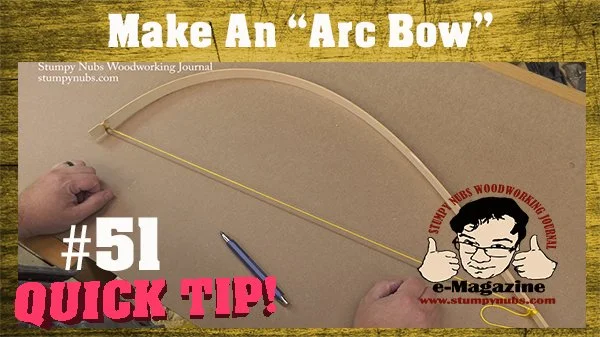
A SIMPLE TRICK FOR MAKING ARCS EASIER
Learn how to make and use bow arcs for woodworking. These simple tools, crafted from hardwood and string, allow you to trace symmetrical and asymmetrical curves effortlessly, improving accuracy and efficiency in your projects.
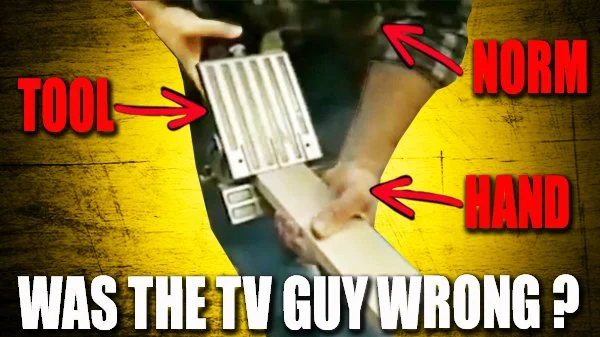
WAS NORM ABRAM WRONG ABOUT BISCUIT JOINTERS?
The biscuit joiner may not add brute strength like a Domino or dowels, but it’s a game-changer for fast, frustration-free glue-ups. If you find a good one at a yard sale, grab it—you’ll thank yourself during your next big panel or cabinet project.
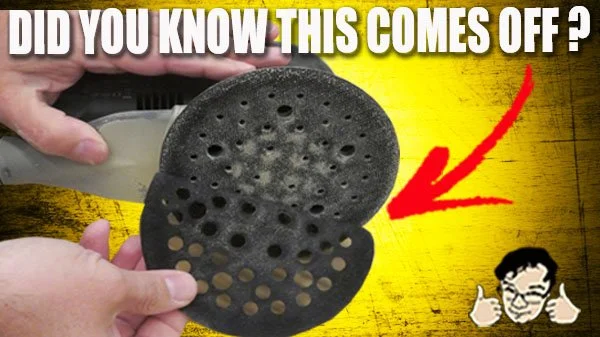
THESE TRICKS WILL CHANGE HOW YOU SAND WOOD
Understanding how to use your tools properly is critical to good woodworking. In the past, I’ve done deep dives into the essential skills of sanding, but this time I want to focus on some of the most useful tips I’ve employed over the years. These are the tips I believe can have the biggest impact on your next project.
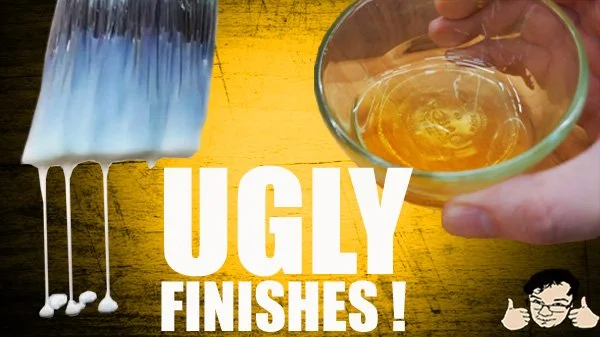
WILL CLEAR VARNISH CHANGE WOOD’S COLOR?
Some argue that wood finishes actually alter the appearance of natural wood by adding a yellow or amber hue. A piece of maple, for example, might be nearly white when bare, but depending on the finish you apply, it can turn yellow or even brown.
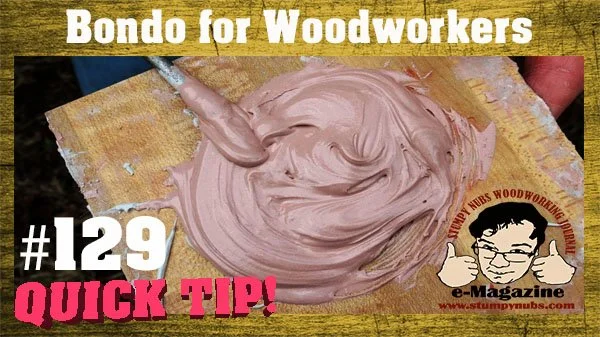
BONDO IS A LIFESAVER FOR WOODWORKERS!
Body filler isn’t just for hiding dents in old cars—it’s a versatile, affordable tool that belongs in every woodshop. From smoothing painted projects to repairing templates and jigs, this underrated material can save the day when nothing else will do.