
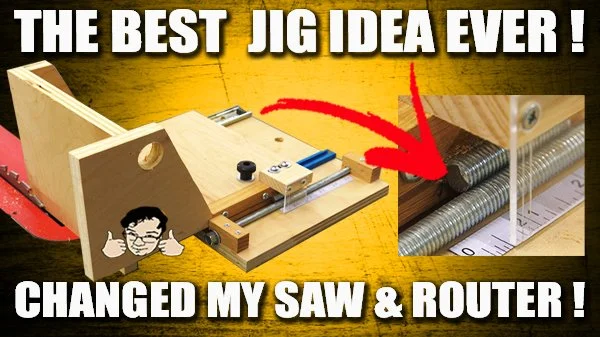
THE BEST JIG IDEA EVER
An incremental positioner turns a simple setup into a powerful system for ultra-precise, repeatable cuts. Build it into a table saw jig, and you can cut perfect tenons, joints, and micro-adjustments with speed and accuracy.
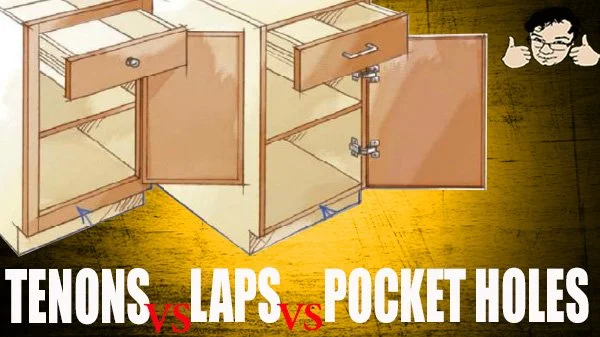
STRONGER CABINET FACE FRAME JOINERY
Choosing the right joinery—from mortise and tenon to no-joinery—depends on your cabinet’s size, load, and how much reinforcement the frame needs.
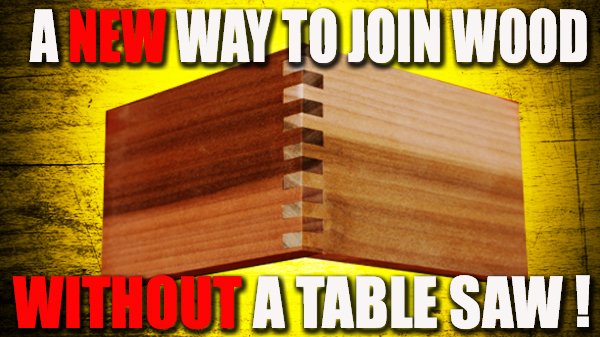
EASY ROUTER TABLE FINGER/BOX JOINTS
With a few scraps of wood, a straight router bit, and a simple indexing pin, you can turn a compact router table into a surprisingly accurate finger joint machine. This easy DIY jig makes strong, clean box joints for drawers, boxes, and cabinets—without buying an expensive dado set or specialty jig.

TABLE SAWS VS ROUTERS: WHICH CUTS THE BEST DADOS?
Woodworkers love debating whether routers or table saws are better for cutting dados and grooves—but the truth is both tools shine in different situations. By comparing setup, safety, cost, adjustability, and cut quality, you’ll see why the “best” tool really depends on the job at hand.

A TRICK TO STRENGTHEN YOUR MITERED JOINTS
Mitered corners look great—but they’re weak unless you reinforce them. This simple 2×6 bevel jig makes it fast and accurate to cut spline slots that dramatically strengthen box and frame corners while keeping the clean mitered look.
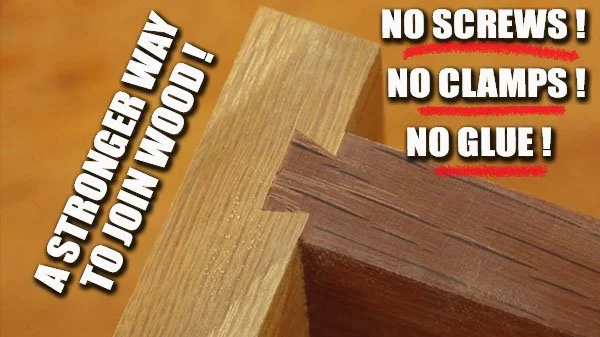
A STRONGER WAY TO JOIN WOOD: SLIDING DOVETAILS
Ready to level up your joinery? A tapered sliding dovetail delivers rock-solid strength, clamp-free assembly, and serious wow factor—and it’s far easier to make than most tutorials would have you believe.
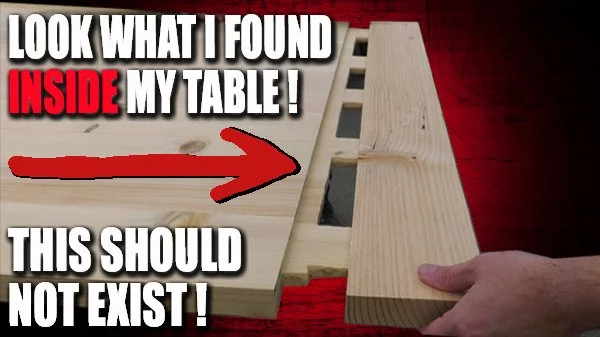
LEARN TO MAKE BREADBOARD ENDS
Learn how proper breadboard-end joinery prevents a tabletop from splitting despite crossed grain. This guide explains tongues, mortises, tenons, and pegged elongated holes that let wood move naturally—transforming inexpensive construction lumber into long-lasting, high-quality furniture.
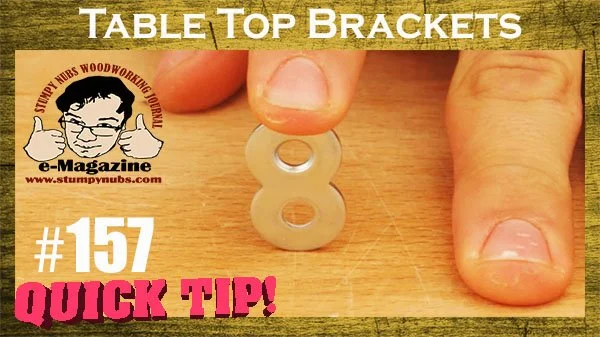
FIGURE-8 TABLE TOP BRACKETS THE RIGHT WAY
Learn how to correctly install figure-8 fasteners for table tops, prevent cracking from wood movement, and explore reliable alternatives like Z-clips and wooden brackets.
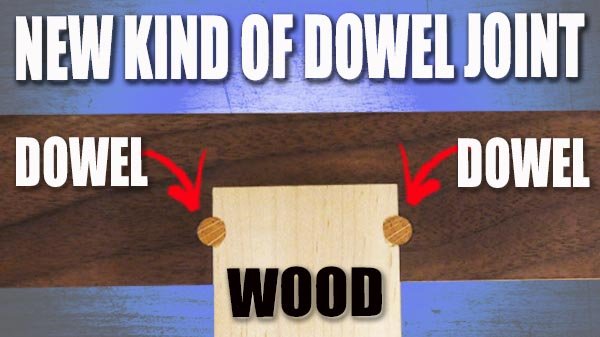
IS THIS DOWEL JOINT A GAME CHANGER?
Is the viral pinned dowel joint genius or gimmick? Learn the truth about its strength, looks, and whether it’s worth using beyond social media clickbait.
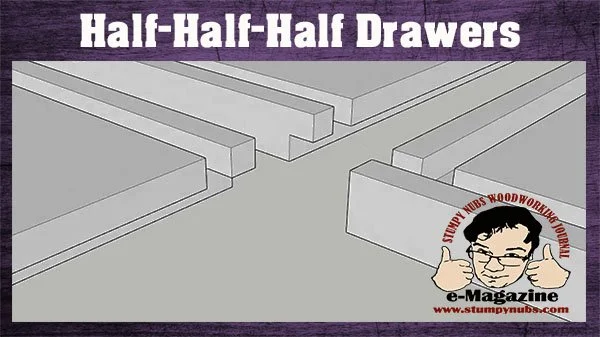
FAST AND EASY DRAWERS: THE HALF-HALF-HALF METHOD
Build strong, precise drawers fast with the half-half-half method. One table saw setup cuts all joints—no dovetails or complex setups needed.
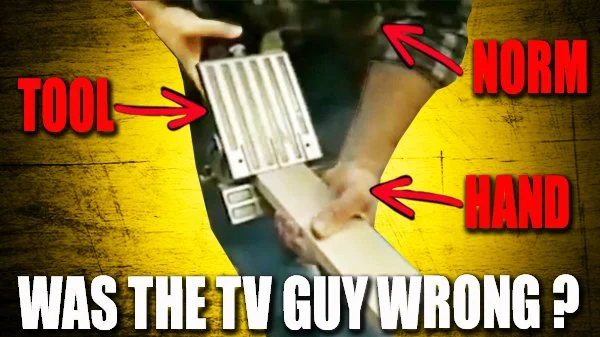
WAS NORM ABRAM WRONG ABOUT BISCUIT JOINTERS?
The biscuit joiner may not add brute strength like a Domino or dowels, but it’s a game-changer for fast, frustration-free glue-ups. If you find a good one at a yard sale, grab it—you’ll thank yourself during your next big panel or cabinet project.
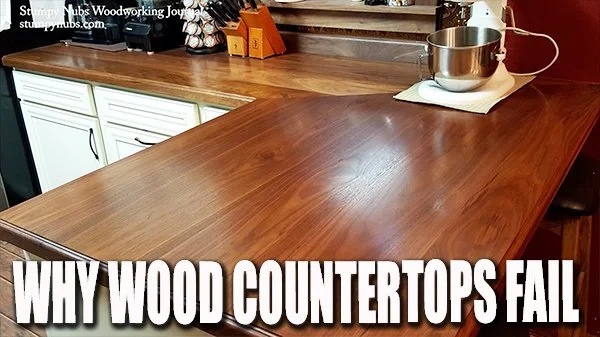
BUTT JOINT VS MITER JOINT: WHICH SHOULD YOU USE?
Learn how to choose and execute miter and butt joints for large wood panels like countertops and desktops. Discover tips for handling wood movement, alignment, and fastening to create seamless, durable corner joints.
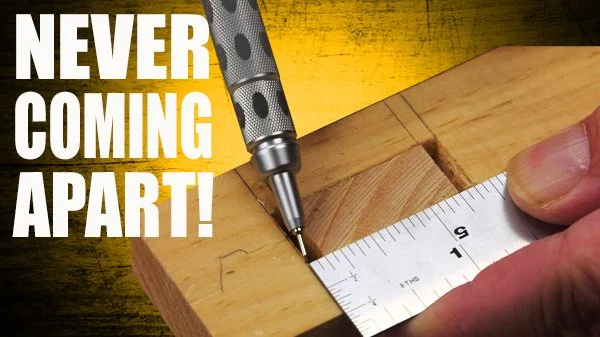
HOW A LITTLE WEDGE MAKES THE STRONGEST JOINT EVER!
The wedged mortise and tenon is one of the strongest mechanical joints in woodworking, combining resistance to shear and tensile forces with a visually striking design. This article walks through every step—from cutting the mortise and shaping the wedges to fitting and gluing the tenon—offering practical tips to avoid common mistakes and achieve a perfect joint.
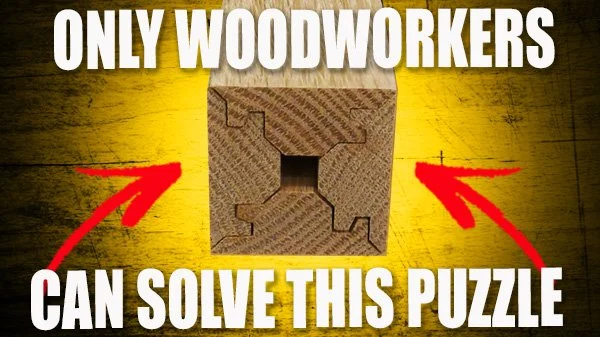
HOW LOCK MITERS CAN MAKE PROJECTS CHEAPER AND BETTER
Learn how to build thick, solid-looking furniture legs from thinner stock using lock-miter joints. This guide covers grain control, safer cutting techniques, and precise assembly for professional-quality results.

LOOSE-TENON JOINERY WITHOUT A FESTOOL DOMINO
Loose tenons simplify traditional mortise and tenon joinery, allowing faster, more repeatable joints without sacrificing strength. This article walks you through creating a custom mortise jig, cutting precise mortises with a router, and sizing loose tenons for a flawless fit.
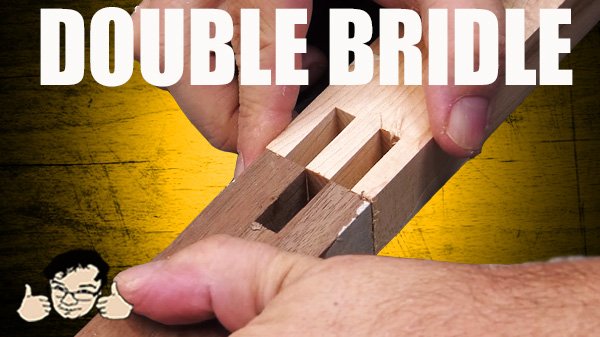
JOINERY LESSONS FROM THE DOUBLE BRIDLE JOINT
The double bridle joint is a great way to practice precise, repeatable joinery on the table saw, and it teaches you how to sneak up on a perfect fit instead of relying solely on pencil lines. With a simple tenon jig and the right blade, you can create a strong, attractive joint that’s customizable and clean.
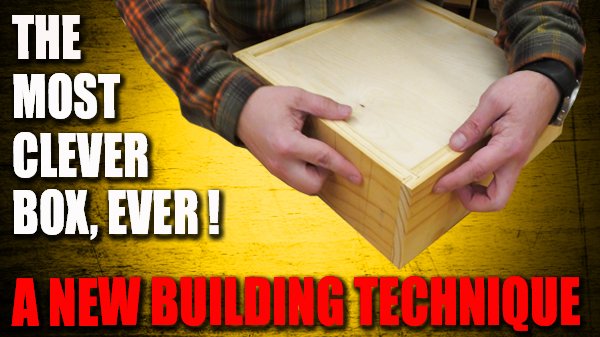
A CLEVER WAY TO MAKE BOXES, CABINETS, AND DRAWERS
The locking rabbet joint with a hidden groove creates drawers and boxes that are self-aligning, strong, and almost as durable as dovetails—without complicated setups. Using just a router and a few clever fence adjustments, you can make professional-quality cabinetry quickly and easily.

WORLD’S STRONGEST CORNER JOINT!
Discover how to create the Triple-Castle Joint—an elegant, ultra-strong woodworking joint made from three identical pieces and four simple cuts. This step-by-step guide covers layout, hand-sawing tips, assembly, and finishing for a stunning joinery project.

THE CLEVER 10-SECOND WOODWORKING TRICK I USE TO IMPRESS PEOPLE
Learn an easy and reliable technique to make precise end, cross, and angled lap joints for your woodworking projects. Using a shim and stop block method ensures a perfect fit every time, whether on a table saw or router table.

INDESTRUCTIBLE: I have NEVER seen a box made like this before
This box features a one-of-a-kind “impossible dovetail joint” that cannot be assembled or disassembled conventionally, inspired by centuries-old German log cabin joinery. Its creation required careful planning, compound-angle cutting, and meticulous assembly, making it both a technical challenge and a unique conversation piece.