
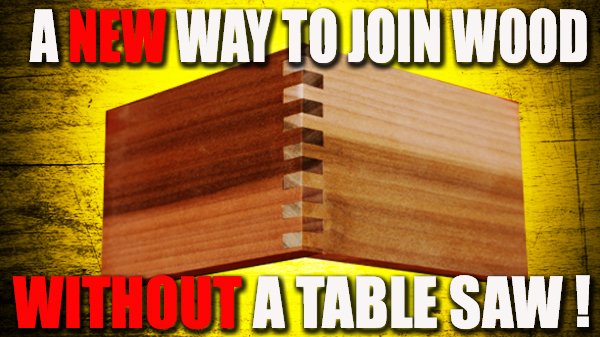
EASY ROUTER TABLE FINGER/BOX JOINTS
With a few scraps of wood, a straight router bit, and a simple indexing pin, you can turn a compact router table into a surprisingly accurate finger joint machine. This easy DIY jig makes strong, clean box joints for drawers, boxes, and cabinets—without buying an expensive dado set or specialty jig.
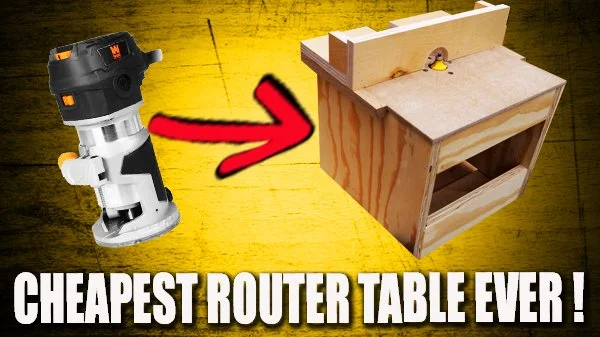
A DIY ROUTER TABLE THAT COSTS NOTHING!
This simple DIY portable router table turns a handheld trim router into a compact, versatile workstation you can build in about an hour from shop scraps. It’s cheap, clever, easy to store, and useful for far more than just cutting box joints.
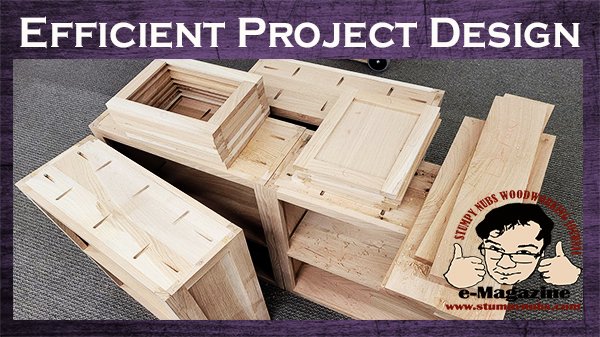
MAKE BIG PROJECTS WITHOUT THE OVERWHELM
Big woodworking projects don’t have to be overwhelming—designing for efficiency turns chaos into a smooth, repeatable process. By standardizing parts and batching joinery, you can build an entire room of furniture faster, with fewer mistakes and dramatically fewer machine setups.
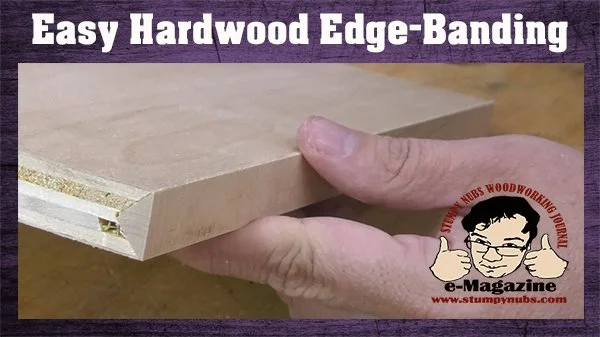
MAKE PLYWOOD LOOK LIKE HARDWOOD
Plywood is stable and affordable, but its exposed edges can ruin the look of a project. This method uses a simple V-groove router bit to add solid hardwood edge banding that’s tougher, cleaner, and more durable than iron-on veneer.
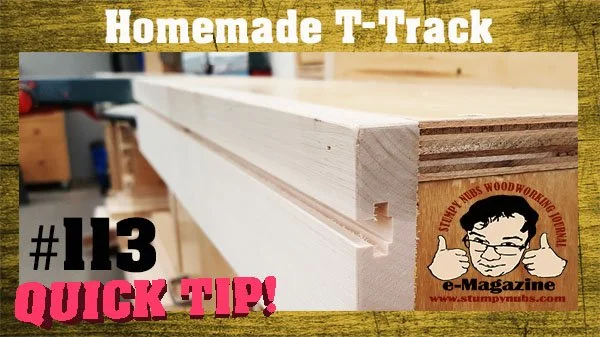
HOW TO MAKE T-TRACK OUT OF WOOD
T-track is incredibly useful for jigs and fixtures—but buying aluminum track can get expensive fast. This guide shows how to make durable wooden T-track with two router bits, saving you serious money without sacrificing functionality.
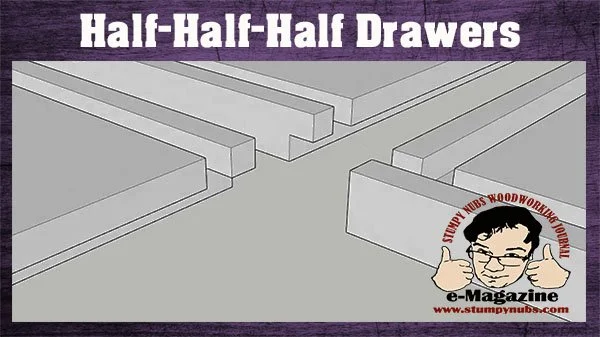
FAST AND EASY DRAWERS: THE HALF-HALF-HALF METHOD
Build strong, precise drawers fast with the half-half-half method. One table saw setup cuts all joints—no dovetails or complex setups needed.
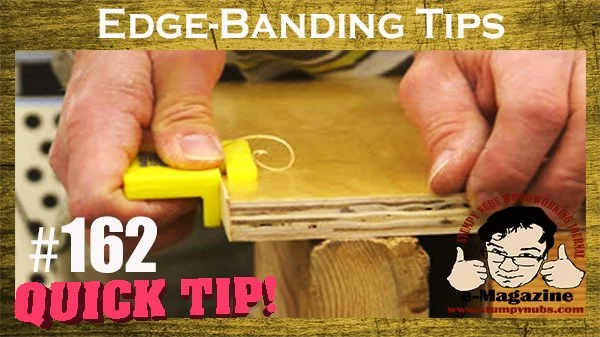
EDGE BANDING PLYWOOD
Edge banding doesn’t have to be frustrating—these pro tips will help you choose the right banding, apply it cleanly, and finish it smooth. From preventing “creeping” to trimming and filing, you’ll save time and get professional-looking edges every time.
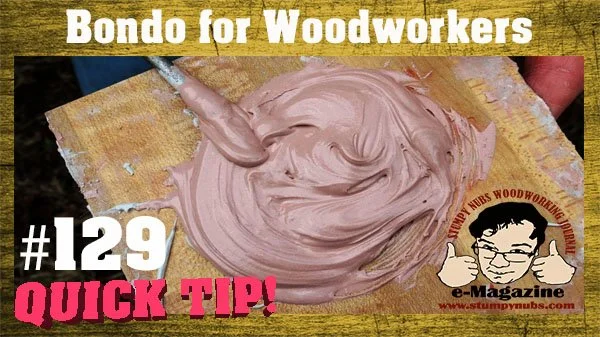
BONDO IS A LIFESAVER FOR WOODWORKERS!
Body filler isn’t just for hiding dents in old cars—it’s a versatile, affordable tool that belongs in every woodshop. From smoothing painted projects to repairing templates and jigs, this underrated material can save the day when nothing else will do.
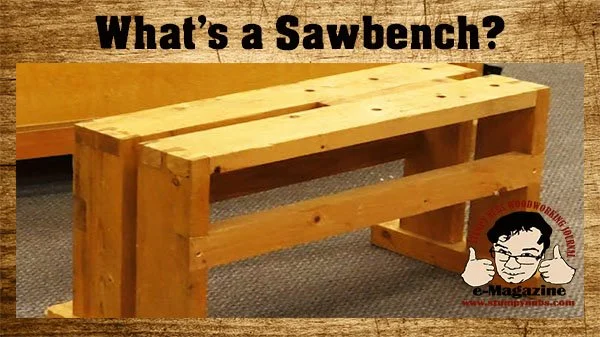
DO YOU NEED A SAWBENCH?
Every woodworker knows they need a workbench. We’ve made plenty of workbench-related tutorials—you can find those on Youtube. But do you also need a saw bench, or two? I think so—and that’s what this article is about.
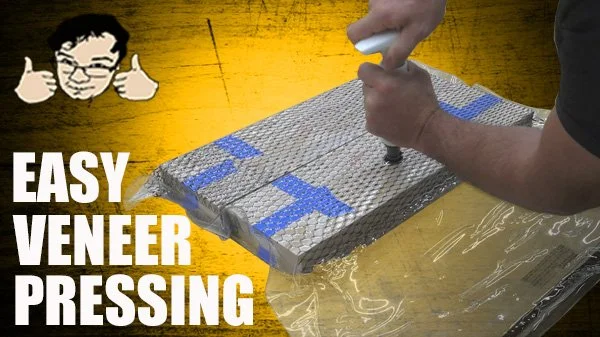
VENEERING BASICS FOR THE WEEKEND WOODWORKER
Veneering isn’t just for pros—it’s an approachable, game-changing technique that can elevate even small woodworking projects. From contact cement to vacuum pressing, this guide breaks down three practical methods to help you achieve clean, stable, professional-looking panels.

HOW TO SAFELY AGE HINGES AND HARDWARE
Cheap hardware-store hinges can look and function like premium hardware with a few simple fixes and aging techniques. This guide shows how to tighten loose barrels and apply three different patina methods—from natural aging to fast chemical finishes—for a custom, vintage look.
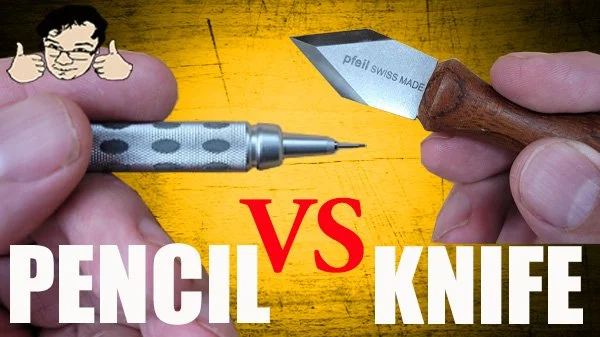
WHEN A KNIFE IS BETTER THAN A PENCIL
Choosing the right marking tool can make a huge difference in woodworking accuracy and efficiency. This article explains when to use pencils, mechanical pencils, marking knives, and marking gauges, with practical tips for selecting the proper tool for rough layout, precise joinery, and everything in between.

HOW TO BEND 3/4” PLYWOOD
Learn how to kerf-bend plywood to create strong, smooth arches for cabinetry and built-ins. This guide covers kerf spacing, grain orientation, bending forms, glue-ups, smoothing techniques, and expert tips for achieving clean, professional curved woodwork.

WILL A CHEAP 2X6 PINE WORKBENCH LAST?
Eight years later, a recycled-construction-lumber workbench is still rock solid thanks to clever layered joinery and bone-dry salvaged wood. While a few vise placements and design choices could be improved, the bench has proven that you don’t need expensive hardwoods to build a durable, high-quality workbench.

FRENCH CLEATS - ARE THEY WORTH THE HYPE?
These days french cleats have become pretty popular among various YouTubers and in the overall maker movement. But mostly in the context of cleat walls. This is a big thing online. Folks put rows of wood strips all over their walls and make all sorts of handy tool holders that may be hung and arranged wherever they like.

THE BEST ROUTER TRICK I KNOW - MAKING PICTURE FRAMES WITH REGULAR ROUTER BITS
Router bits aren't cheap. I think that's why a lot of folks just use the same one or two profiles on every project. Those are simply the bits in their set, and they don't have the budget to buy a fancy, complex profile bit just to make one project. But early on in my woodworking career I learned a skill that saved me a lot of money…