
DID NUCLEAR TESTING RUIN MODERN TOOL STEEL?
Did nuclear testing really ruin modern woodworking tools? Despite a persistent internet myth, science and metallurgy show that modern tool steel is not only unaffected by atomic fallout—but is better than ever.
YOU’VE BEEN SAYING THIS WRONG: HISTORY OF DUCK TAPE
You’ve probably been calling duct tape by the wrong name your entire life—because it actually started as duck tape, born in WWII to seal ammo boxes. From battlefield hero to Apollo 13 lifesaver (and ironically terrible duct sealer), this humble tape has one of the most surprising origin stories in your shop.
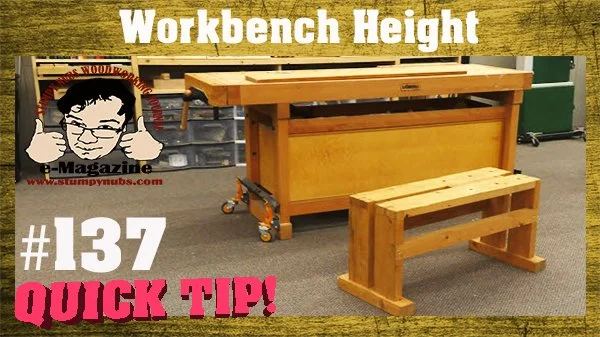
HOW TO CALCULATE THE PERFECT WORKBENCH HEIGHT
Learn how to find the ideal workbench height for hand tools, joinery, assembly, and more. Discover practical tips, testing methods, and solutions for any workspace.
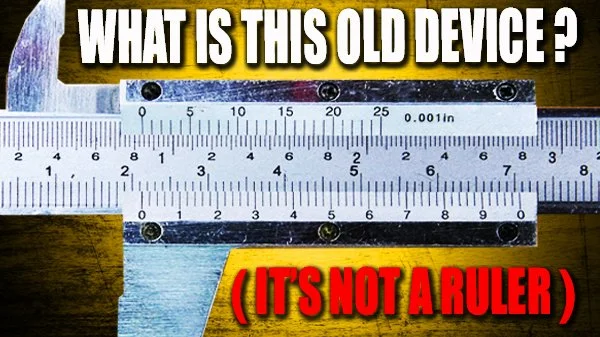
WHY YOU NEED A VERNIER SCALE
A vernier caliper may look intimidating, but once you shift from fractions to decimals, it becomes one of the most precise measuring tools in the shop. With a little practice, you’ll be able to read measurements down to thousandths of an inch or hundredths of a millimeter with total confidence.
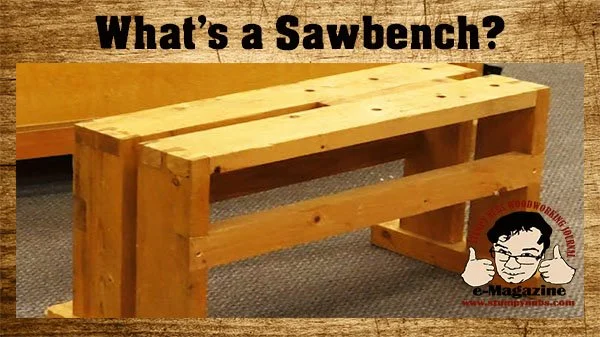
DO YOU NEED A SAWBENCH?
Every woodworker knows they need a workbench. We’ve made plenty of workbench-related tutorials—you can find those on Youtube. But do you also need a saw bench, or two? I think so—and that’s what this article is about.
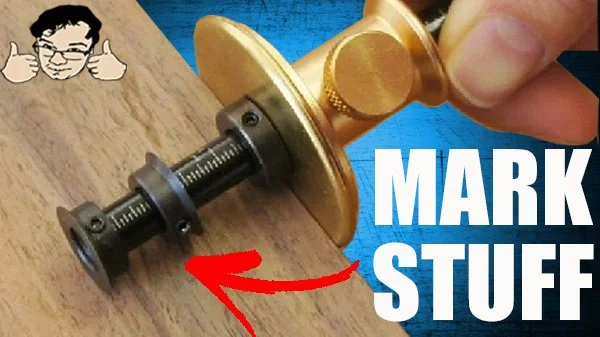
DO YOU NEED A WOOD MARKING GAUGE?
A marking gauge is a timeless woodworking tool that provides precision and repeatability that pencils and rulers alone cannot. This article explores different types of gauges—pin, knife, and disc-style—explaining their uses, proper technique, and applications for joinery, layout, and surface marking.
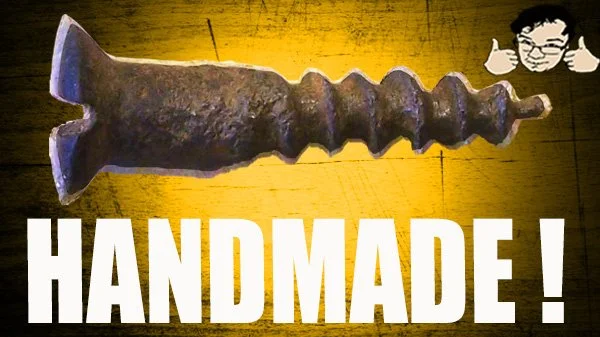
THE HISTORY OF WOOD SCREWS
Explore the history of screws and nails, their strengths and weaknesses, and why nails are still often the best choice for woodworking and construction projects.
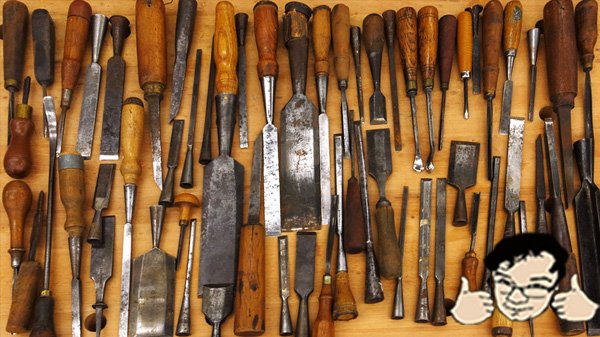
WHY A LOT OF TOOL STEEL IS BAD
Discover whether antique chisels truly outperform modern tools as we explore the evolution of western tool steel—from bloomeries and blister steel to crucible steel and today’s advanced alloys. Learn why modern chisels often deliver better performance, sharper edges, and greater reliability than vintage favorites.
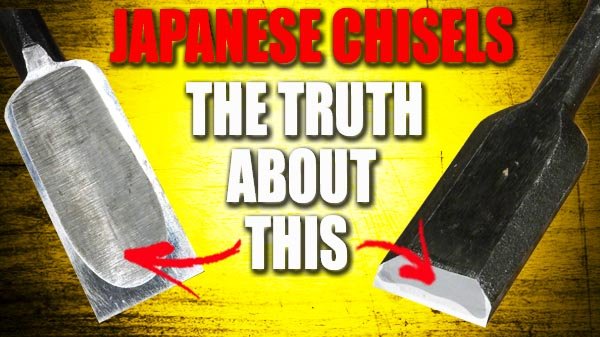
THE FORGOTTEN HISTORY BEHIND JAPANESE CHISELS
Discover the history, technology, and craftsmanship behind Japanese woodworking chisels—from samurai sword origins to laminated steel, hollow backs, and traditional handles. Learn what makes these tools unique and whether they deserve a place in your workshop.

THE HISTORY OF SANDPAPER
Discover the real history of sanding, from ancient Egyptian abrasives to sharkskin and early sandpaper used by master woodworkers. Learn why sanding is a time-honored technique—and why traditional craftsmen would have loved today’s premium sandpapers.
BREAKING: THE USA IS SWITCHING TO METRIC!
A humorous look at America’s slow shift to the metric system, showing how the U.S. already uses metric in everyday life more than most people think.

THE TRUTH ABOUT 2X4S: HOW BIG LUMBER IS RIPPING YOU OFF
Historically, 2x4s were closer to their nominal dimensions, but inconsistencies and industrialization led mills to adopt standardized sizes. Today, drying and planing reduce a board’s dimensions to roughly 1½" × 3½", a practice known as nominal sizing, which prioritizes uniformity and profit over true measurements.
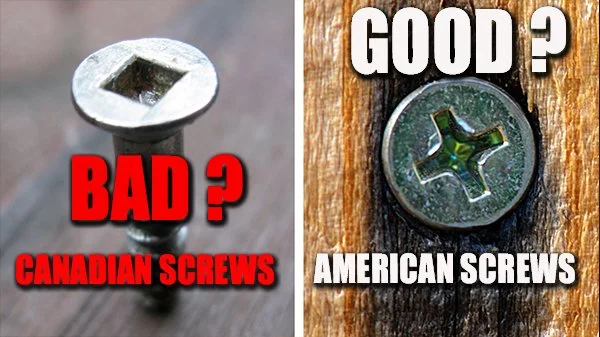
THE GREAT SCREWDRIVER WARS
It’s been more than 200 years since Canada and the United States fought a war against each other, and if it ever happens again, it won’t be over important issues like who has the best pancakes or the best version of Chris Farley. It will be over something that has divided not just North America, but the entire world for over a century: Which screwdriver is best—the Canadian Robertson head, or the American Phillips head?

A FORGOTTEN TECHNOLOGY FROM THE OLD DAYS OF WOODWORKING!
Many people believe the absence of nails is a sign of good craftsmanship. And I can't say I blame them because they don't make nails like the used to. The modern nail isn’t designed for performance, it's designed for price. They are cheap to make. In this article I'll remind you of the little known, and I think very interesting features that make cut nails superior to wire nails, and perhaps a better choice for your next project.