
YOU’VE BEEN SAYING THIS WRONG: HISTORY OF DUCK TAPE
You’ve probably been calling duct tape by the wrong name your entire life—because it actually started as duck tape, born in WWII to seal ammo boxes. From battlefield hero to Apollo 13 lifesaver (and ironically terrible duct sealer), this humble tape has one of the most surprising origin stories in your shop.
This article is probably going to be a lot more interesting than you expected, because it starts with a genuine you’ve-been-doing-this-all-wrong bombshell:
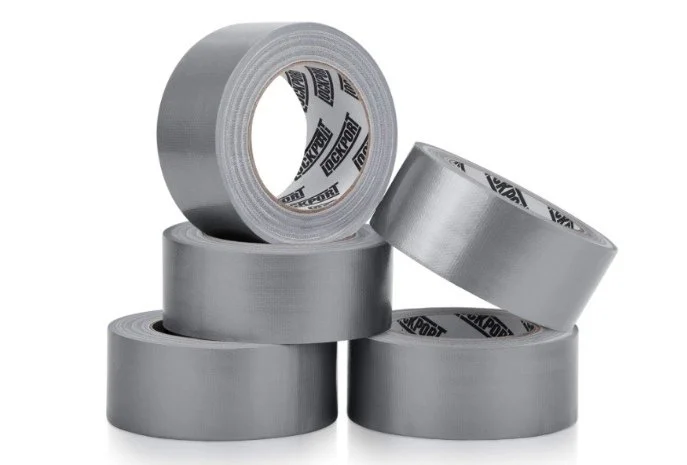
If you’ve been calling this stuff duct tape, with a “T,” you’ve technically been saying it wrong your entire life.
Believe it or not, the original and correct name is duck tape, with a “K.” And no—I’m not kidding.
The WWII Origins of Duck Tape
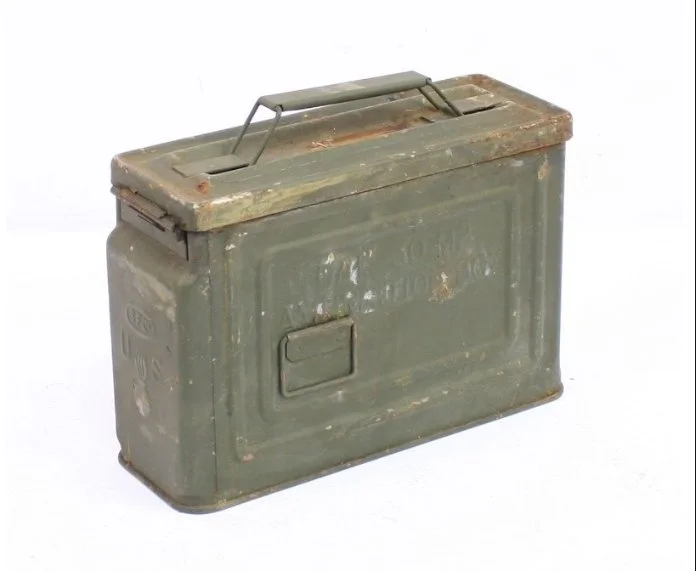
World War II ammunition box
Duck tape was first developed during World War II to seal ammunition boxes. The military needed a tape that was:
Waterproof
Strong
Easy to tear by hand
Fast to open in combat situations
The War Department passed the problem to Johnson & Johnson, who developed a tape made from a specially woven canvas cloth known as duck, spelled with a “K.”
That’s where the name comes from.
What Is “Duck” Fabric, Anyway?
The word duck comes from the Dutch word doek, pronounced something like dowk. In English, “duck” referred not just to waterfowl, but also to a heavy cotton canvas fabric.
Before WWII, duck cloth was commonly used for:
Tents
Tarps
Clothing
Work aprons (yes—still today)
It could easily be made waterproof by coating it with wax or rubber, which made it the perfect material for the military’s needs.
Duck Tape Existed Before the War—Sort Of
Interestingly, Johnson & Johnson didn’t invent duck tape outright. The term dates back as far as 1900, when strips of coated duck cloth were used for tasks such as repairing shoes and wrapping steel cable to prevent corrosion. However, these early versions didn’t have adhesive, so they weren’t really “tape” as we think of it today.
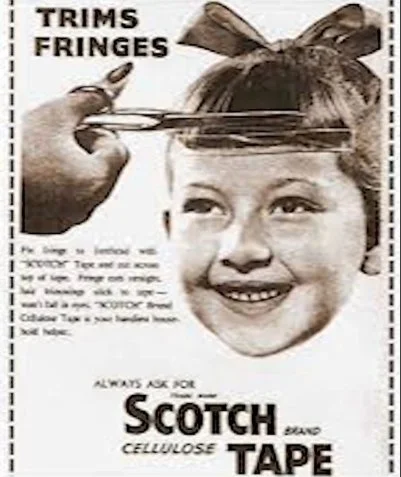
By 1910, adhesive-backed cloth tapes existed—but the real miracle tape of that era was a clear tape that became known as Scotch tape, not duck tape. During the Great Depression, Scotch tape earned its reputation as the fix-everything household hero.
Duck tape didn’t truly go mainstream until WWII.
Why Soldiers Loved It
During the war, adhesive-coated duck tape became wildly popular because it was:
Waterproof
Incredibly tough
Easy to tear by hand
The military used it for just about everything:
Repairing vehicles and weapons
Field fixes on aircraft (including helicopter blades)
Even as emergency battle dressings
GI’s loved the stuff. When they returned home, they wanted more—and hardware stores were happy to deliver.
From Duck Tape to Duct Tape
Originally, duck tape was only available in military green.
After the war, people discovered it worked well for sealing metal ductwork. By the 1950s, manufacturers changed the color to silver to match steel ducts—and people started calling it duct tape, with a “T.”
That mispronunciation stuck.
Over time, the original name faded from memory so completely that in the 1970s, a man named Jack Kahl was able to trademark the forgotten name. Today, Duck Tape® is literally a brand of duct tape.
Apollo 13 and the Rise to Legend
If there was one moment that cemented duct tape’s legendary status, it was the Apollo 13 crisis in 1970.
Facing a potentially fatal air-filter problem, the crew famously used duct tape to rig a solution that brought them home alive. Overnight, duct tape became as iconic as Tang.
The Irony: It’s Terrible for Ducts
Here’s the real kicker: Duct tape is actually bad for ductwork. Studies have shown that it degrades quickly on ducts, is fairly flammable, and releases toxic gases when it smolders. Because of this, many building codes prohibit its use on actual ducts.
Yes—duct tape should not be used on ducts.
What Should You Use It For?
Pretty much everything else.
Duct tape has become such a cultural icon that people proudly use it in wildly inappropriate ways. As the saying goes:
If it should move, spray it with WD-40.
If it shouldn’t move, cover it in duct tape.
So… Should We Call It Duck Tape Again?
Maybe. But if you do, be prepared to explain this entire story to someone who thinks you’re an idiot.
Happy Woodworking!
This post may contain affiliate links. If you make a purchase, we may receive a small commission.
Need some cool tools for your shop? Browse my Amazon Storefront for inspiration.
