
BONDO IS A LIFESAVER FOR WOODWORKERS!
Body filler isn’t just for hiding dents in old cars—it’s a versatile, affordable tool that belongs in every woodshop. From smoothing painted projects to repairing templates and jigs, this underrated material can save the day when nothing else will do.
I’m not really a car guy, but when I was a teenager I used Bondo to cover up dents and rust holes on my crappy Ford Escort. Back then, I thought of body filler as the stuff you use to hide the crap.
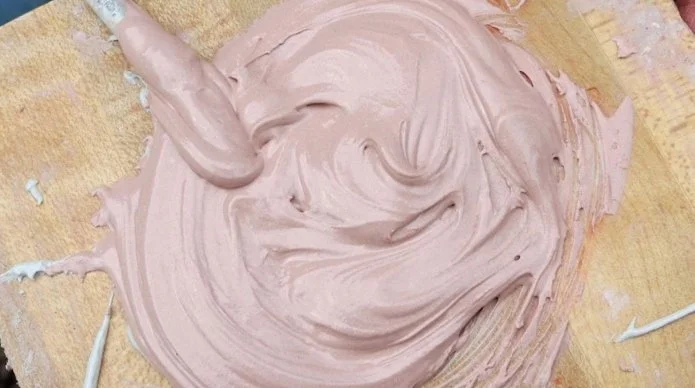
Years later, I began to appreciate body filler for a different purpose—woodworking. But when I recommend it to some people, they look at me like I’m a heretic. They still think of it as a way to hide mistakes, and by using it, they feel like they’re admitting their woodworking is, well… crap.
Changing the Way You Think About Body Filler
When someone gives me that skeptical look, I ask them:
Would you use epoxy on a woodworking project?
Of course, they say yes—because in some situations, epoxy is the perfect adhesive.
Then I ask:
What about using epoxy to fill a knot hole or some other flaw in a board?
Again, they say yes.
Well, what do you think body filler is? You mix a resin and a hardener, and it dries rock hard. It’s a lot less expensive than clear epoxy, and its thicker consistency makes it easier to use in many situations.
When Body Filler Works Best
The big drawback is that it’s pink—or white after sanding—so you can’t use it to fill a knot hole and expect it to disappear under a clear finish. But it’s extremely useful for projects you intend to paint.
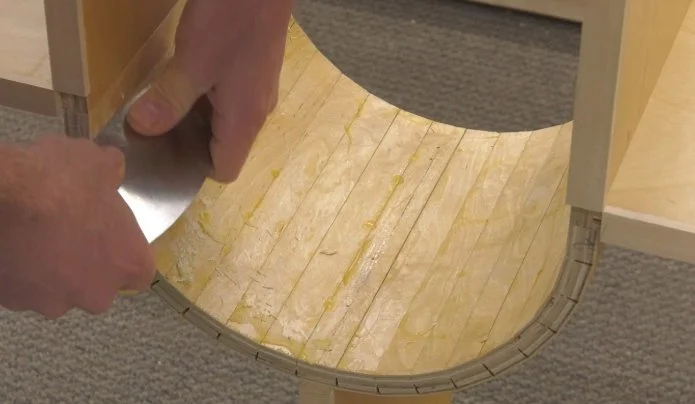
Here’s an example: We cut kerfs in some plywood so we could bend it into an arch for a painted cabinet project (you can check that out here.) To smooth the surface, we needed filler. Epoxy wouldn’t have worked over such a large area, and traditional wood fillers would have been too brittle. But body filler was perfect.
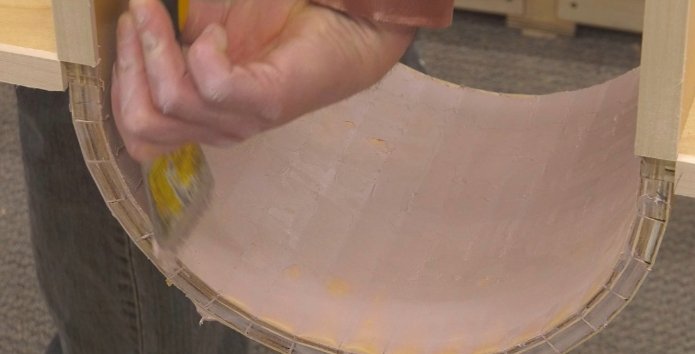
Not Just for Painted Projects
Of course, some of you are as disgusted by the idea of painting wood as you are by using body filler on furniture. That’s fine—but you should still have a can in your shop.
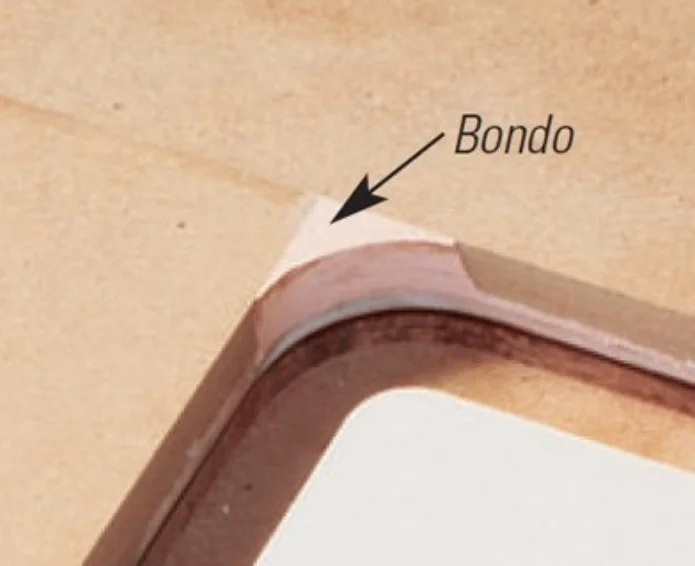
Why? Because the most common use for it in my shop isn’t for woodworking at all—it’s for repairing templates that have been damaged by the router or band saw. A little body filler and some sanding, and you’ve got a smooth edge for your router bit’s bearing to ride on again.
A Shop Essential
Body filler is one of those products you don’t think about until you really need it—and then you’re glad you have it.
So keep a can in your shop. You might not reach for it often, but when you do, you’ll wonder how you ever worked without it.
This post may contain affiliate links. If you make a purchase, we may receive a small commission.
Need some cool tools for your shop? Browse my Amazon Storefront for inspiration.
