TRACE COATING - A WOOD FINISHING STEP YOU SHOULD DO!
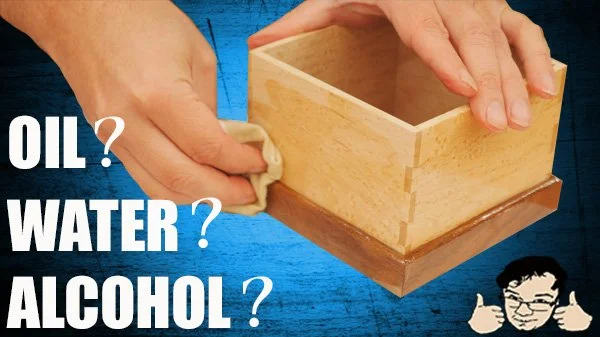
Trace-coating is a simple trick that exposes glue spots, sanding swirls, and hidden flaws before your finish makes them permanent. By applying a thin, temporary coat of stain or colored water and sanding it back, you can fix problems early and end up with a cleaner, more professional-looking finish.
THE CHALLENGES OF MIXING WOOD FINISHES
Mixing wood finishes doesn’t have to be a gamble—this guide breaks down which oils, polys, shellacs, and waxes play well together (and which don’t). With clear rules and pro tips, you’ll avoid sticky disasters and get the finish you actually want.
EDGE BANDING PLYWOOD
Edge banding doesn’t have to be frustrating—these pro tips will help you choose the right banding, apply it cleanly, and finish it smooth. From preventing “creeping” to trimming and filing, you’ll save time and get professional-looking edges every time.
A SIMPLE TRICK FOR MAKING ARCS EASIER
Learn how to make and use bow arcs for woodworking. These simple tools, crafted from hardwood and string, allow you to trace symmetrical and asymmetrical curves effortlessly, improving accuracy and efficiency in your projects.
WAS NORM ABRAM WRONG ABOUT BISCUIT JOINTERS?
The biscuit joiner may not add brute strength like a Domino or dowels, but it’s a game-changer for fast, frustration-free glue-ups. If you find a good one at a yard sale, grab it—you’ll thank yourself during your next big panel or cabinet project.
BONDO IS A LIFESAVER FOR WOODWORKERS!
Body filler isn’t just for hiding dents in old cars—it’s a versatile, affordable tool that belongs in every woodshop. From smoothing painted projects to repairing templates and jigs, this underrated material can save the day when nothing else will do.
DO YOU NEED A SAWBENCH?
Every woodworker knows they need a workbench. We’ve made plenty of workbench-related tutorials—you can find those on Youtube. But do you also need a saw bench, or two? I think so—and that’s what this article is about.
HOW TO MAKE RAISED PANELS WITHOUT EXPENSIVE TOOLS
Raised panels are a fundamental part of cabinets and furniture. If you're into woodworking, you'll eventually need to make them—and when you do, you’ll be bombarded with videos and articles that demonstrate all sorts of methods using tools you probably don’t have. In this article, I’m going to walk you through how to make raised panels quickly, easily, and safely with just a regular straight router bit.
A FINISH DURABLE ENOUGH FOR A WOODEN COUNTERTOP
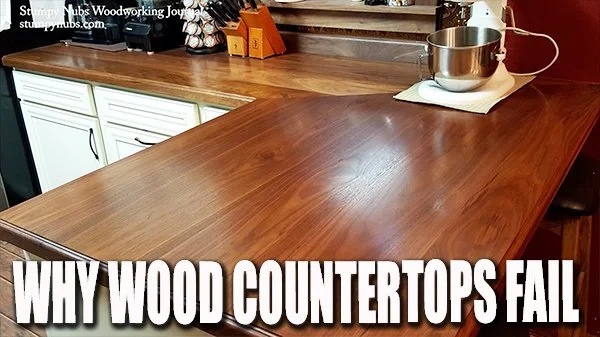
In this article, I’m tackling one of the most common questions viewers ask: How do you choose and apply a durable finish for wooden countertops?
VENEERING BASICS FOR THE WEEKEND WOODWORKER
Veneering isn’t just for pros—it’s an approachable, game-changing technique that can elevate even small woodworking projects. From contact cement to vacuum pressing, this guide breaks down three practical methods to help you achieve clean, stable, professional-looking panels.
HOW TO SAFELY AGE HINGES AND HARDWARE
Cheap hardware-store hinges can look and function like premium hardware with a few simple fixes and aging techniques. This guide shows how to tighten loose barrels and apply three different patina methods—from natural aging to fast chemical finishes—for a custom, vintage look.
BUTT JOINT VS MITER JOINT: WHICH SHOULD YOU USE?
Learn how to choose and execute miter and butt joints for large wood panels like countertops and desktops. Discover tips for handling wood movement, alignment, and fastening to create seamless, durable corner joints.
DON’T THROW THAT UGLY WOOD OUT!
With clever techniques like book-matching, veneering, and using plywood backers, even flawed or sapwood-heavy lumber can be transformed into stunning furniture panels. This article shows practical tips for making the most of every board, creating balanced and eye-catching designs from pieces many woodworkers might discard.
WHEN A KNIFE IS BETTER THAN A PENCIL
Choosing the right marking tool can make a huge difference in woodworking accuracy and efficiency. This article explains when to use pencils, mechanical pencils, marking knives, and marking gauges, with practical tips for selecting the proper tool for rough layout, precise joinery, and everything in between.
DO YOU NEED A WOOD MARKING GAUGE?
A marking gauge is a timeless woodworking tool that provides precision and repeatability that pencils and rulers alone cannot. This article explores different types of gauges—pin, knife, and disc-style—explaining their uses, proper technique, and applications for joinery, layout, and surface marking.
HOW TO STOP WOOD PANELS FROM WARPING
Do alternating growth rings really prevent table tops from warping? Learn why this common woodworking myth persists, how wood actually moves, and how proper joinery—not board orientation—is the real key to flat, stable panels.
READ THIS BEFORE USING OIL-BASED POLY FINISHES!
Oil-based polyurethane is a durable, versatile finish that can give your woodworking projects a beautiful, long-lasting surface if applied correctly. This guide walks through surface prep, brushing versus wiping techniques, thinning, sanding between coats, and tips for a flawless, glass-smooth finish.
ROUGH SAWN BOARDS AND THE TABLE SAW
Cutting rough or warped boards on a table saw is risky due to bows, twists, cups, and crooks that can cause kickback or binding. This guide explains the dangers and offers safer alternatives, including band saws, hand planes, jigs, and proper use of splitters or riving knives.
SAND LIKE A PRO
Sanding may be tedious, but mastering it is the difference between a flawless finish and a disappointing project. With the right grits, techniques, and tools, you can get perfectly smooth surfaces every time—without the swirls, pigtails, or frustration.
WORLD’S STRONGEST CORNER JOINT!
Discover how to create the Triple-Castle Joint—an elegant, ultra-strong woodworking joint made from three identical pieces and four simple cuts. This step-by-step guide covers layout, hand-sawing tips, assembly, and finishing for a stunning joinery project.