
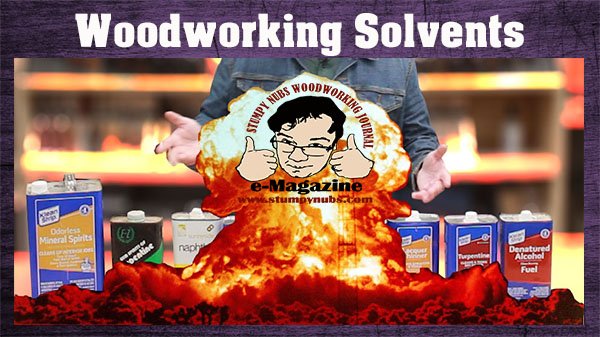
WOODWORKING SOLVENTS AND THINNERS - WHAT YOU NEED TO KNOW
You don’t need a shelf full of mystery chemicals—just a few key solvents that match the job. Understand what each one does, and you’ll get better results with less hassle, cost, and confusion.
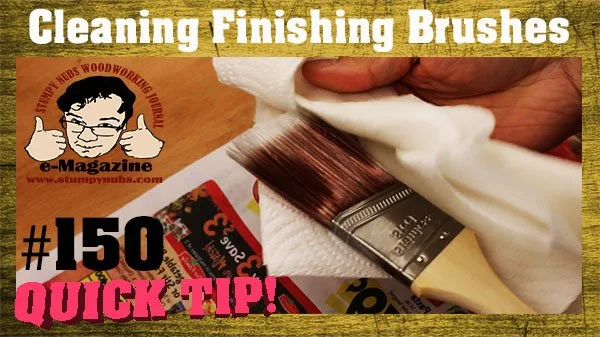
ARE YOU CLEANING PAINT BRUSHES WRONG?
Cleaning oil-based finish brushes isn’t just about the solvent—it’s about smart technique from the moment you start applying finish. Keep bristles clean at the source, use a two-step solvent rinse, and finish with soap and water to make your brushes last for years.

IS POLYURETHANE DANGEROUS FOR PETS?
Wondering what wood finish is safe for your dog’s crate—or your cutting board? The truth is that nearly all common clear wood finishes are food-safe once fully cured, meaning your furniture is far less risky than the plastic your dog already chews.
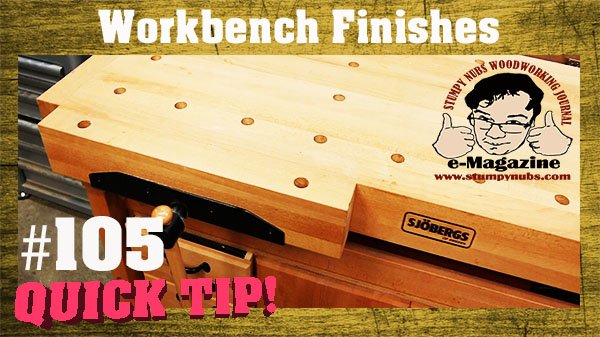
CAN THE WRONG FINISH RUIN A WORKBENCH?
Wondering what finish to use on a woodworking bench top? Learn why wax finishes can be a mistake and why a light oil or oil-varnish blend offers better grip, function, and long-term usability.
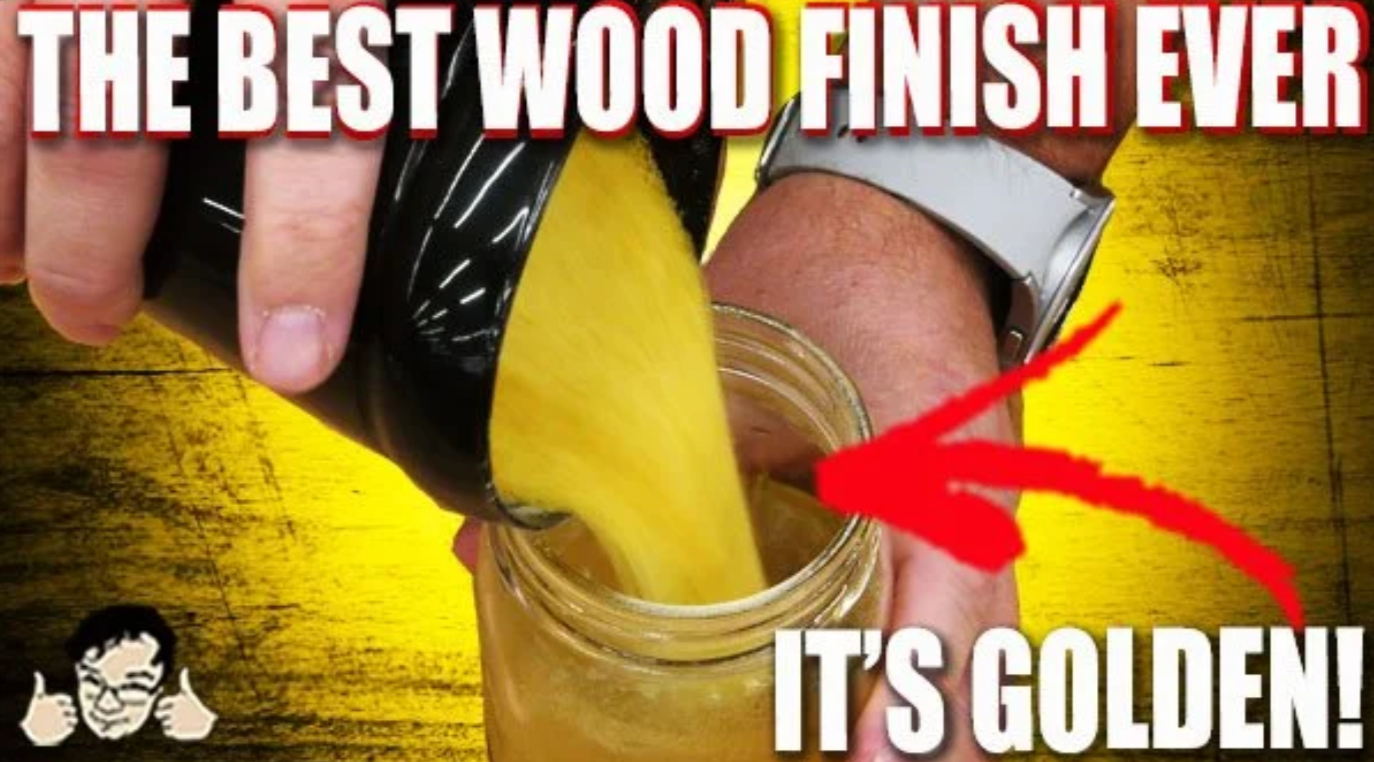
ANCIENT WOOD FINISH IS MAKING A COMEBACK
Shellac is a fast-drying, forgiving, and incredibly versatile wood finish that’s just as relevant today as it was centuries ago. Easy to apply, easy to repair, and beautiful on nearly any project, it proves that “old-school” doesn’t mean outdated.
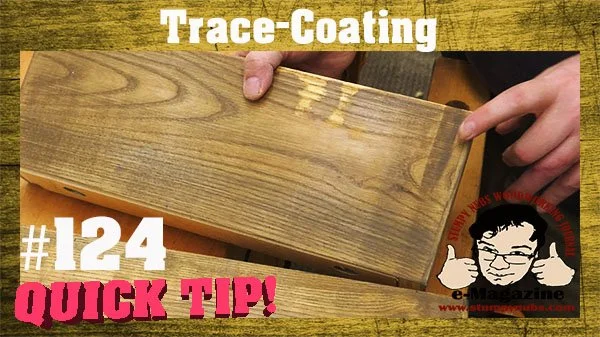
TRACE COATING - A WOOD FINISHING STEP YOU SHOULD DO!
Trace-coating is a simple trick that exposes glue spots, sanding swirls, and hidden flaws before your finish makes them permanent. By applying a thin, temporary coat of stain or colored water and sanding it back, you can fix problems early and end up with a cleaner, more professional-looking finish.
IS ANY WOOD FINISH REALLY FOOD-SAFE?
Most of the fear around “food-safe” wood finishes comes from marketing, not science. Almost every modern finish is completely food-safe once it has fully cured—so choose your finish based on durability and use, not the label.
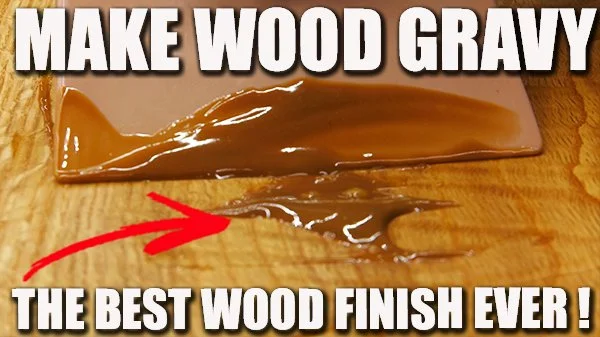
WOOD GRAVY: THE BEST WOOD FINISH EVER
Learn how to use “wood gravy” to fill open grain and create a glass-smooth finish on hardwoods. A simple wet-sanding technique that upgrades any woodworking project.
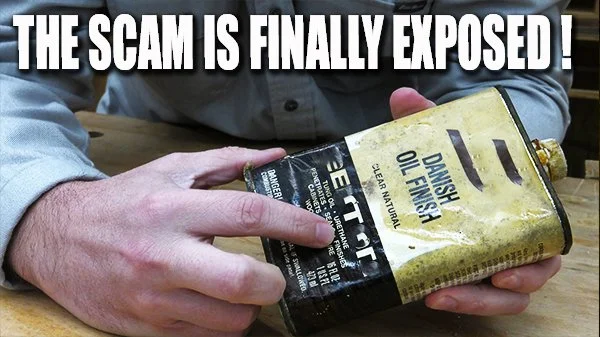
THE OIL FINISHES SCAM
Discover the truth behind tung and Danish oils—most are overpriced blends. Learn how to make your own pro-grade wood finish and save big.

WHAT’S THE LITTLE DIAL ON YOUR SANDER FOR?
Sanding speed can make the difference between a flawless surface and ugly pigtail scratches. This guide explains how to balance sander RPMs with hand movement for smoother, cleaner results every time.
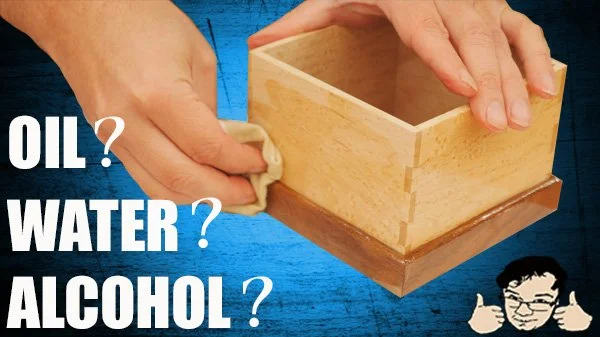
THE CHALLENGES OF MIXING WOOD FINISHES
Mixing wood finishes doesn’t have to be a gamble—this guide breaks down which oils, polys, shellacs, and waxes play well together (and which don’t). With clear rules and pro tips, you’ll avoid sticky disasters and get the finish you actually want.
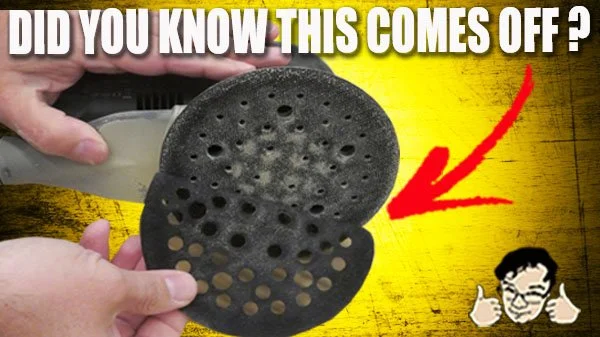
THESE TRICKS WILL CHANGE HOW YOU SAND WOOD
Understanding how to use your tools properly is critical to good woodworking. In the past, I’ve done deep dives into the essential skills of sanding, but this time I want to focus on some of the most useful tips I’ve employed over the years. These are the tips I believe can have the biggest impact on your next project.
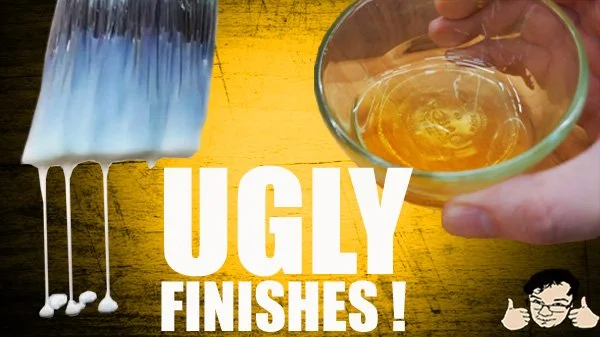
WILL CLEAR VARNISH CHANGE WOOD’S COLOR?
Some argue that wood finishes actually alter the appearance of natural wood by adding a yellow or amber hue. A piece of maple, for example, might be nearly white when bare, but depending on the finish you apply, it can turn yellow or even brown.
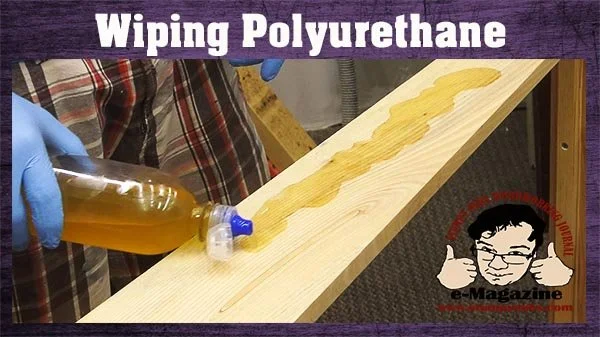
MAKE YOUR OWN WIPE-ON POLYURETHANE
A lot of new woodworkers buy wipe-on polyurethane because it promises to be easy to apply. And that’s true—it is easy to apply. But more experienced woodworkers rarely buy the pre-made stuff. Not because they don’t like wipe-on poly, but because they don’t see the point of paying extra for what is essentially regular polyurethane diluted with inexpensive mineral spirits. You can make it yourself for a lot less money.
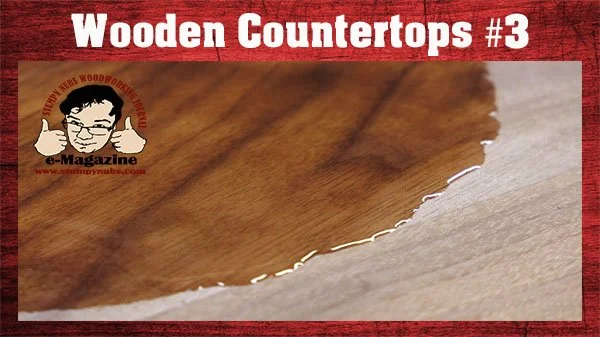
A FINISH DURABLE ENOUGH FOR A WOODEN COUNTERTOP
In this article, I’m tackling one of the most common questions viewers ask: How do you choose and apply a durable finish for wooden countertops?
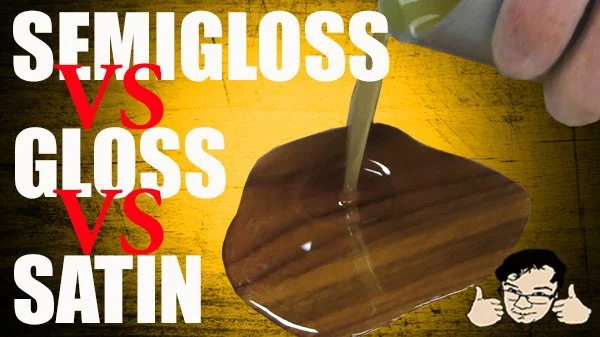
SEMIGLOSS VS GLOSS VS SATIN
Achieving a consistent satin or semi-gloss wood finish isn’t about the finish itself—it’s all in the flattening agents and how you mix and apply them. Properly stirring, layering, and even polishing satin finishes can give you predictable, beautiful results while maintaining clarity and control over sheen.
HOW PROS MAKE PINE LOOK GOOD WITH STAIN AND DYE
Learn how to prevent blotchy stains on pine and achieve a smooth, professional-looking finish. Discover expert tips using pre-stain conditioners, gel stains, and colored wax for flawless results.
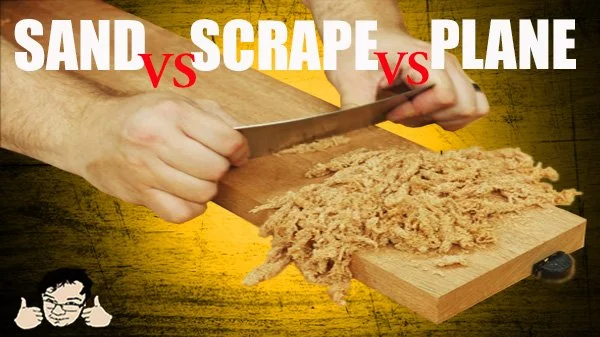
IS IT BETTER TO SAND, SCRAPE, OR PLANE WOOD?
Sanding, scraping, and planing each have strengths and trade-offs when preparing wood: sanding is the most forgiving and convenient, scraping is slightly faster but physically demanding, and planing is fast and effortless—if the wood cooperates. Choosing the right method depends on your skill level, project needs, and how much you prioritize speed, effort, and control.

DO YOU NEED WOOD GRAIN FILLER BEFORE YOU FINISH?
Grain filler smooths out open-pore woods like oak, ash, and walnut to create a mirror-like surface before finishing, making your projects look more polished and professional. Whether using water-based fillers, pastes, or oil slurries, proper application and multiple coats ensure even pores and better light reflection.
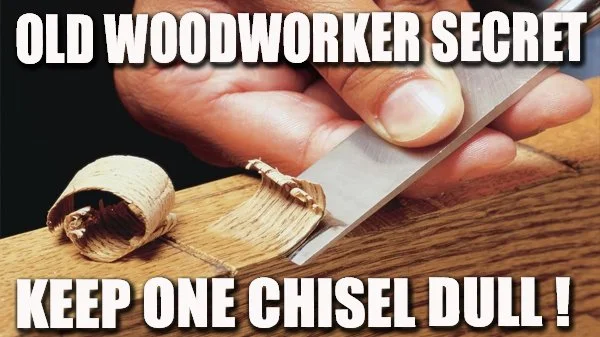
WHY SHARP ISN’T ALWAYS BEST - DULL CHISELS
While sharp chisels are essential for most woodworking tasks, a deliberately blunt chisel can be a surprisingly useful tool for controlled paring and shaping, especially across the grain or on end grain. This article explains how to create a crisp blunt edge, when to use it, and the advantages it offers over ultra-sharp tools in specific scenarios.