
WILL CLEAR VARNISH CHANGE WOOD’S COLOR?
The right wood finish protects your project, but it can also change its appearance—sometimes adding a warm amber glow, other times yellowing or even dating the look of the wood. Whether you prefer a rich, traditional patina or the clean, natural color of bare maple, choosing the right finish is key to achieving the style you want.
The primary purpose of a wood finish is to protect the wood. But it’s undeniable that the natural beauty of the wood is also revealed when the first coat of finish is applied.
Or is it?
Some argue that wood finishes actually alter the appearance of natural wood by adding a yellow or amber hue. A piece of maple, for example, might be nearly white when bare, but depending on the finish you apply, it can turn yellow or even brown.
Some people like this effect because it gives the project a rich, traditional appearance. But what some call “traditional,” others see as “old-fashioned.” They prefer the natural color of the wood, unaltered by finish.
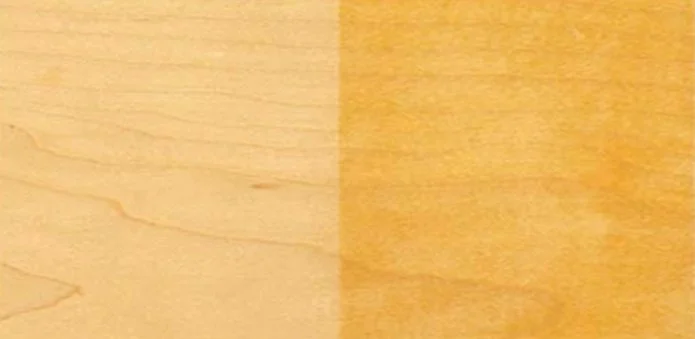
Today, we’ll explore why yellowing occurs and which finishes you may (or may not) want to use—depending on how much color change you’re willing to accept.
The Common Types of Wood Finishes
While there are countless finishes out there, in 99% of small woodworking shops you’ll typically find one of four:
Shellac (alcohol-based)
Natural oils such as tung oil or boiled linseed oil
Each has its own characteristics that might make it ideal—or a poor choice—for your project. But here, we’re focusing specifically on how they change the appearance of the wood.
Natural Oils
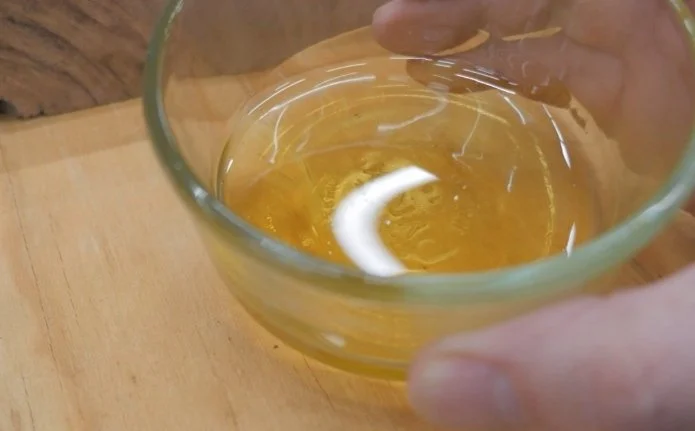
Natural oil finishes obviously change the wood’s color—you can tell that just by looking at them in the can. Tung oil and boiled linseed oil both yellow and darken wood more than most other finishes. Linseed oil, in particular, will darken even further over time because its natural components break down and oxidize when exposed to light.
Oil-Based Polyurethane
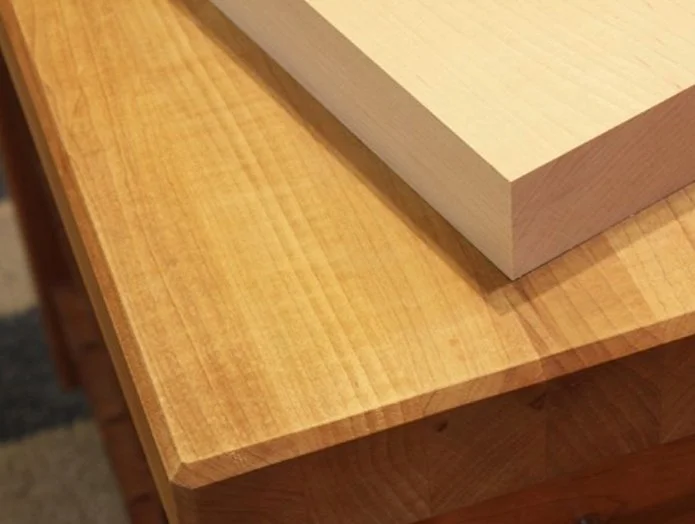
Oil-based polyurethane (including Danish oil and tung oil blends that contain polyurethane) will yellow wood less than pure oils, but still noticeably. This is due to the manufacturing process, which uses aromatic isocyanates. Over time, UV rays break these compounds down, producing byproducts that cause the finish to become even more yellow—or “rich and golden,” depending on your perspective.
Water-Based Polyurethane
Water-based polyurethane isn’t just clearer because it uses water rather than oil as a solvent. Higher-quality versions may contain aliphatic isocyanates, which resist UV breakdown and avoid the same yellowing effect. While water-based poly can still change over time, the yellowing is usually far less noticeable.
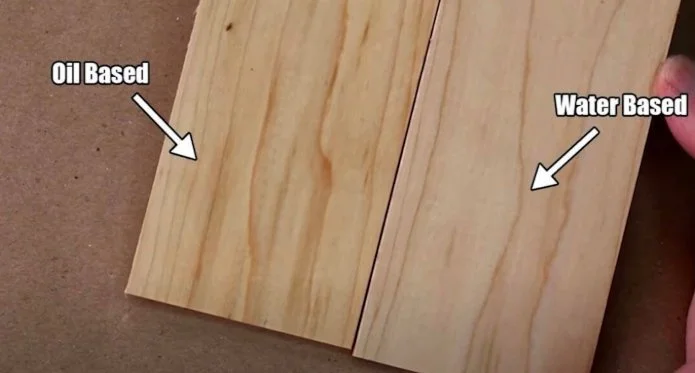
Many people think of Minwax Polycrylic when they hear “water-based poly.” While similar, Polycrylic’s unique formula means it doesn’t yellow at all—even over time. However, it can sometimes leave a slightly milky appearance, which some woodworkers dislike more than yellowing.
Shellac
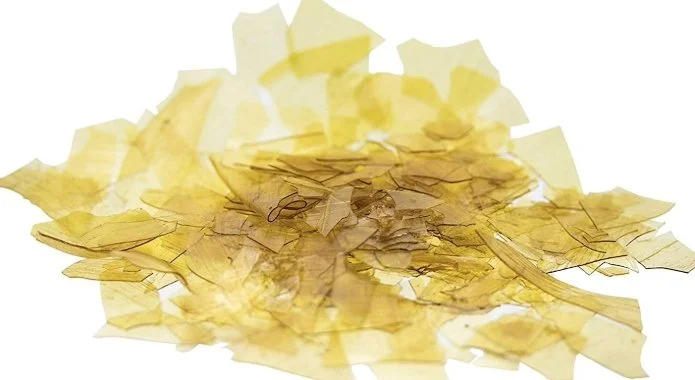
Shellac is the most common alcohol-based finish in small woodworking shops. It’s made from the secretions of the lac bug, dissolved in alcohol. Alcohol evaporates completely, so any color change comes from the bug’s resin—which varies based on what it eats.
Shellac can range from orange-brown to nearly clear, but no shellac is perfectly transparent. Even the palest “blonde” shellac will slightly alter wood tone. The upside? Shellac doesn’t significantly darken over time and preserves the depth and clarity of the wood grain.
Lacquer
Lacquer is less common in small woodworking shops, but for the record—it does yellow over time, sometimes quite a lot.
Choosing the Right Finish
The truth is, no finish will preserve wood exactly as it looks bare. All will have some impact on color and appearance.
For the least yellowing: Water-based polyurethane (especially high-quality brands) and light, high quality shellac flakes are your best bets.
For durability with some yellowing: Oil-based polyurethane offers long-lasting protection but will gradually turn more golden.
For traditional warmth: Pure tung oil, boiled linseed oil, or natural oil blends give wood a rich, deep look but noticeably alter the color.
For balancing clarity and character: Light shellac keeps grain depth while avoiding heavy yellowing. It is not a completely durable finish, however.
Personally, I believe the right finish is one that enhances wood, not one that tries to freeze it in time. Wood changes in color naturally as it ages—no matter what you put on it. The best finish is the one that embraces that transformation while protecting the beauty of the grain.
This post may contain affiliate links. If you make a purchase, we may receive a small commission.
Need some cool tools for your shop? Browse my Amazon Storefront for inspiration.
