
IS ANY WOOD FINISH REALLY FOOD-SAFE?
Most of the fear around “food-safe” wood finishes comes from marketing, not science. Almost every modern finish is completely food-safe once it has fully cured—so choose your finish based on durability and use, not the label.
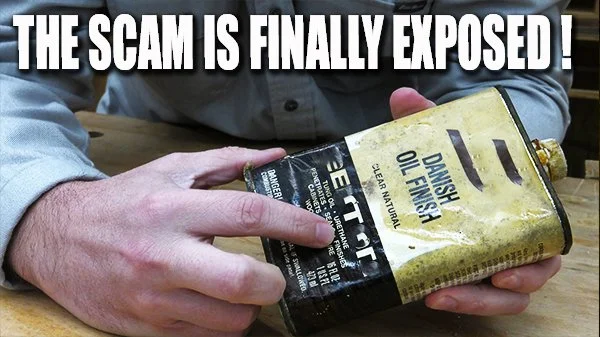
THE OIL FINISHES SCAM
Discover the truth behind tung and Danish oils—most are overpriced blends. Learn how to make your own pro-grade wood finish and save big.
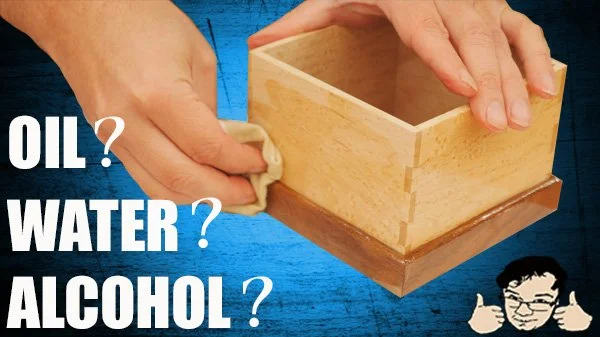
THE CHALLENGES OF MIXING WOOD FINISHES
Mixing wood finishes doesn’t have to be a gamble—this guide breaks down which oils, polys, shellacs, and waxes play well together (and which don’t). With clear rules and pro tips, you’ll avoid sticky disasters and get the finish you actually want.
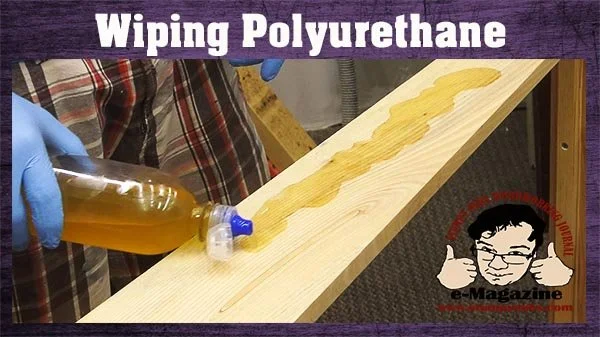
MAKE YOUR OWN WIPE-ON POLYURETHANE
A lot of new woodworkers buy wipe-on polyurethane because it promises to be easy to apply. And that’s true—it is easy to apply. But more experienced woodworkers rarely buy the pre-made stuff. Not because they don’t like wipe-on poly, but because they don’t see the point of paying extra for what is essentially regular polyurethane diluted with inexpensive mineral spirits. You can make it yourself for a lot less money.
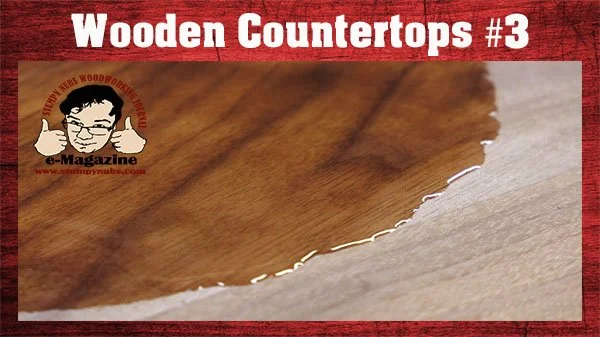
A FINISH DURABLE ENOUGH FOR A WOODEN COUNTERTOP
In this article, I’m tackling one of the most common questions viewers ask: How do you choose and apply a durable finish for wooden countertops?
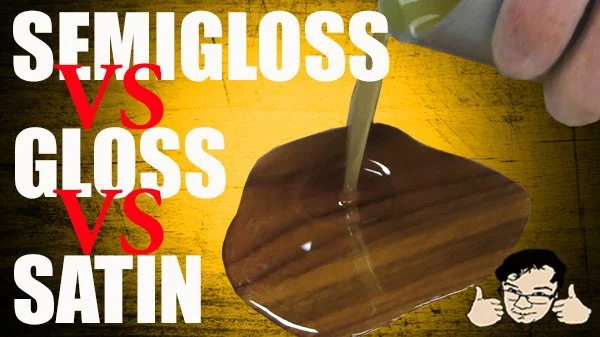
SEMIGLOSS VS GLOSS VS SATIN
Achieving a consistent satin or semi-gloss wood finish isn’t about the finish itself—it’s all in the flattening agents and how you mix and apply them. Properly stirring, layering, and even polishing satin finishes can give you predictable, beautiful results while maintaining clarity and control over sheen.
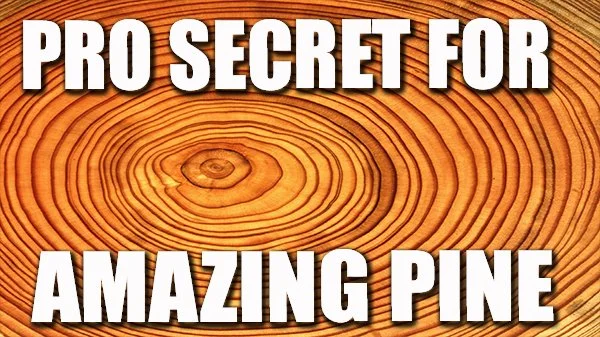
HOW PROS MAKE PINE LOOK GOOD WITH STAIN AND DYE
Learn how to prevent blotchy stains on pine and achieve a smooth, professional-looking finish. Discover expert tips using pre-stain conditioners, gel stains, and colored wax for flawless results.

DO YOU NEED WOOD GRAIN FILLER BEFORE YOU FINISH?
Grain filler smooths out open-pore woods like oak, ash, and walnut to create a mirror-like surface before finishing, making your projects look more polished and professional. Whether using water-based fillers, pastes, or oil slurries, proper application and multiple coats ensure even pores and better light reflection.
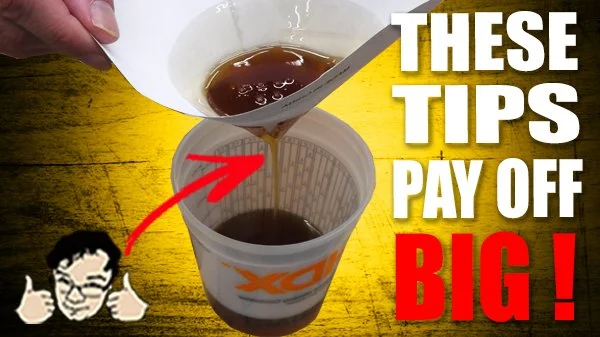
READ THIS BEFORE USING OIL-BASED POLY FINISHES!
Oil-based polyurethane is a durable, versatile finish that can give your woodworking projects a beautiful, long-lasting surface if applied correctly. This guide walks through surface prep, brushing versus wiping techniques, thinning, sanding between coats, and tips for a flawless, glass-smooth finish.
SAND LIKE A PRO
Sanding may be tedious, but mastering it is the difference between a flawless finish and a disappointing project. With the right grits, techniques, and tools, you can get perfectly smooth surfaces every time—without the swirls, pigtails, or frustration.

THE SECRET TO SILKY SMOOTH FINISHES
Learn how to sand between coats for a smooth, professional wood finish. Discover tips for handling raised fibers, dust nibs, shrinkage, and solvents to achieve a flawless result.

THE LIES AND CONFUSION OF TUNG OIL WOOD FINISH
Tung oil can be one of the most beautiful natural wood finishes, but marketing hype and confusing blends have misled generations of woodworkers. This guide breaks down the differences between pure and blended tung oil, how to identify what’s in your can, and how to apply it properly for the best results.

AN ANCIENT WOOD FINISH FORMULA THAT CAN NOT BE MESSED UP!
Wood finishing can be a very intimidating subject for a lot of woodworkers, and I am often asked if there is a simple, effective finish that can't be messed up, doesn't take a lot of time, doesn't cost as much as the wood itself, and which looks great to the eye and is pleasing to the touch.