
DO YOU NEED WOOD GRAIN FILLER BEFORE YOU FINISH?
Grain filler smooths out open-pore woods like oak, ash, and walnut to create a mirror-like surface before finishing, making your projects look more polished and professional. Whether using water-based fillers, pastes, or oil slurries, proper application and multiple coats ensure even pores and better light reflection.
If you've been a weekend woodworker for a while, you've likely heard someone mention grain filler and wondered what it is and when you should use it.
Put simply, grain filler is used to smooth out the surface of your wood before you apply a finish.
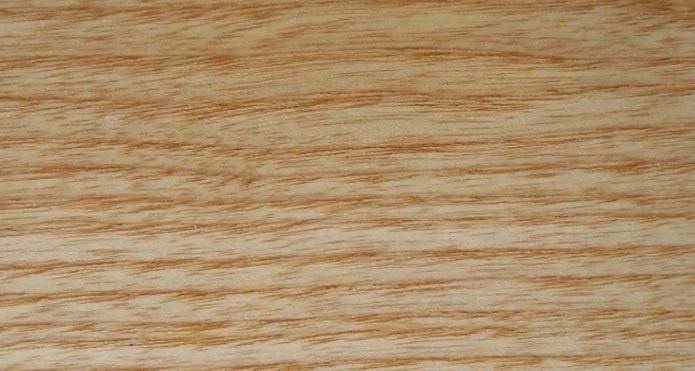
Some types of wood have open pores—oak and ash are good examples. Even when sanded, you can feel the texture of the grain on the surface. Maple, on the other hand, has closed pores and will feel very smooth after sanding.
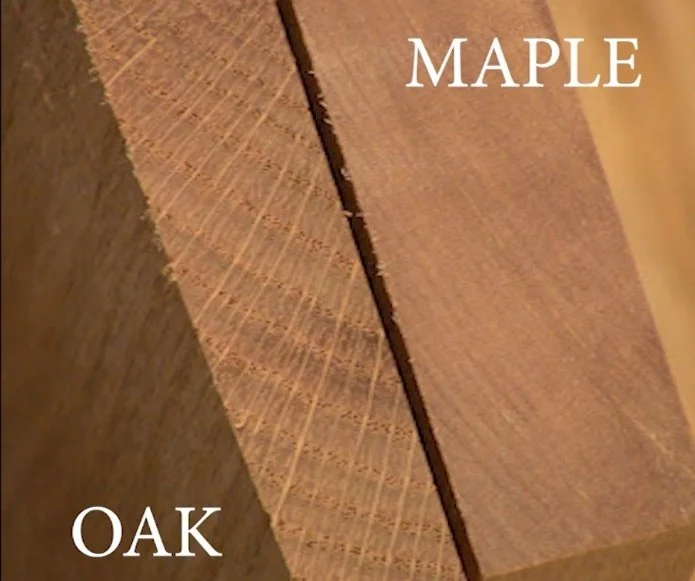
When you apply a finish, it conforms to the surface of the board. And when light rakes across that finished surface, those open pores become visible—and you'll be able to feel them too.
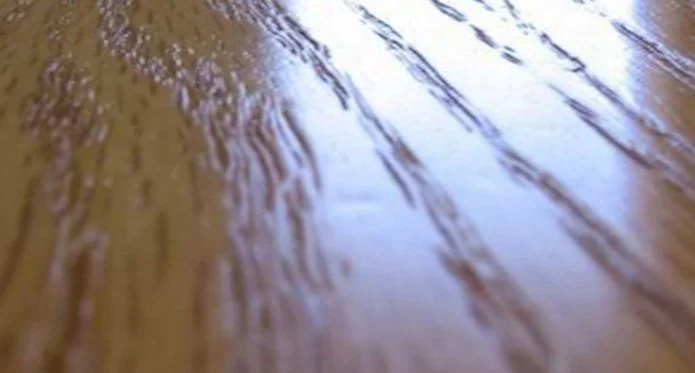
Some people like that natural look and feel. Others prefer a smoother, even mirror-like finish, such as what you might see on a piano. Another place where open pores may be undesirable is when painting cabinet doors. Personally, I prefer a smoother surface on tables and countertops.
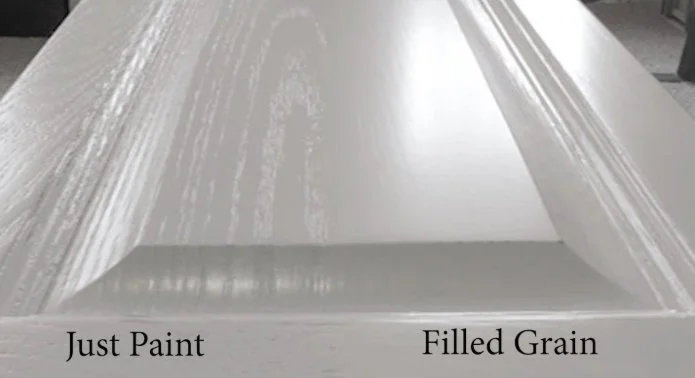
In these situations, I often use a grain filler to even out the open pores before applying a film finish on top.
There are many ways to fill grain. You can wet sand with tung oil or boiled linseed oil, which creates a slurry of dust and oil that gradually fills in the pores and hardens. This is often referred to as wood gravy. Another method is to apply several coats of clear finish—like polyurethane—sanding each one lightly until all the peaks and valleys are leveled off.
I’ve also seen people use wood putty, or even drywall joint compound, to fill pores before painting.
My go-to product is a water-based grain filler called Aqua Coat. This isn’t a sponsored product—I buy it myself and have no affiliation with the company. I like it because it’s easy to apply, contains no VOCs or harsh chemicals, and dries fast. Let me walk you through how it works.
If you want to stain the wood, do that before applying the filler. Alternatively, you can add a water-based dye directly to the grain filler. This not only fills the grain but also accentuates it—if that’s a look you're going for.
Almost every article I’ve read on grain filler recommends applying a thinned coat of shellac (or another sanding sealer) to the bare wood before applying the filler. The reasoning behind this varies depending on who you ask, and the advice is often contradictory.
For example, the online instructions for Aqua Coat say it “should be applied AFTER the piece is stained and/or a seal coat has been applied.” But read a little further, and it says, “If no stain or seal coat is used, you may apply it to raw wood.”
I usually apply a sealer first—that’s how I was taught. But for my test piece, I skipped the sealer, and as you’ll see, it still turned out great. I’ll leave that debate to the finishing experts.
The filler itself is a light, wet paste. I apply it with a plastic spreader—similar to what you'd use for auto body filler. An old credit card works too. Press it into the pores as you cover the surface, and scrape off any excess. Let it sit for about 30 minutes.
Before re-coating, lightly sand by hand with 320-grit paper just to smooth it out. Then apply another coat. You’ll want at least three coats, but they go on quickly since the filler spreads easily and dries fast.
Let the final coat dry overnight. Then give it one last light sanding before applying your clear finish as usual.
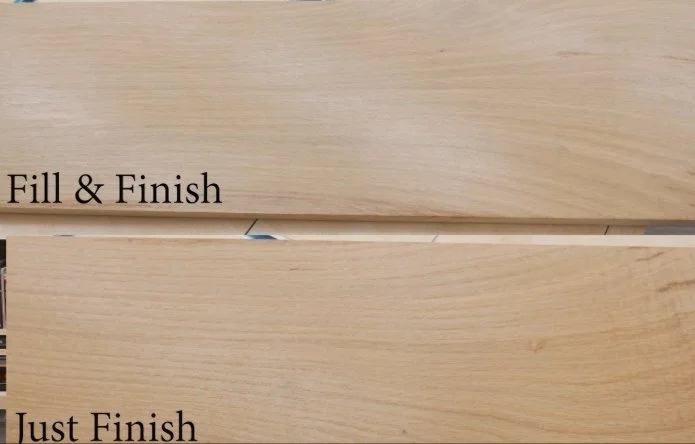
You can’t feel the difference through the screen, but the filled side is significantly smoother than the unfilled side. You can also see the difference by how the light reflects off the surface. The finish I used is satin—if it were high-gloss, the difference would be even more dramatic.
Grain filler isn’t necessary for every project. But if you work with open-pore woods like oak, ash, walnut, or mahogany, you’ll be glad to have a can of this stuff on your shelf.
Happy Woodworking!
This post may contain affiliate links. If you make a purchase, we may receive a small commission.
Need some cool tools for your shop? Browse my Amazon Storefront for inspiration.
