
IS SPALTED WOOD DANGEROUS?
Spalted maple is beautifully patterned wood created by fungal activity, prized for its striking black lines and unique coloration, but it can be soft, unstable, and tricky to work with. With careful selection and attention to grain, sanding, and cutting, you can use it to create stunning projects.
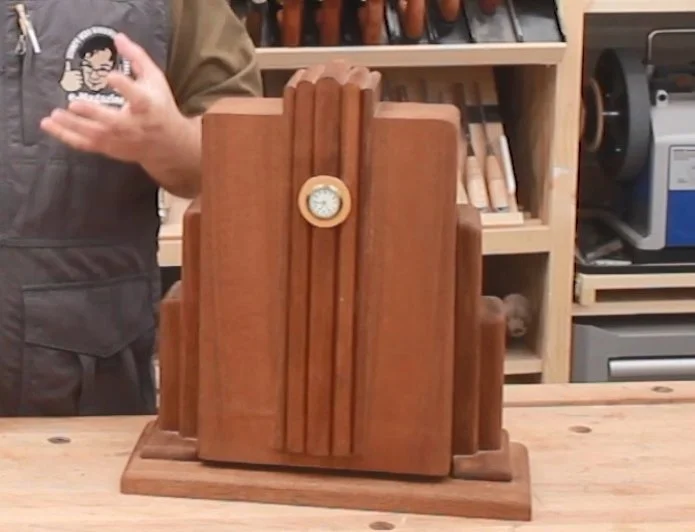
The very first project I made for YouTube was this tabletop cabinet. It recently came back to my shop after spending several years above a fireplace, where constant temperature changes caused a lot of damage.
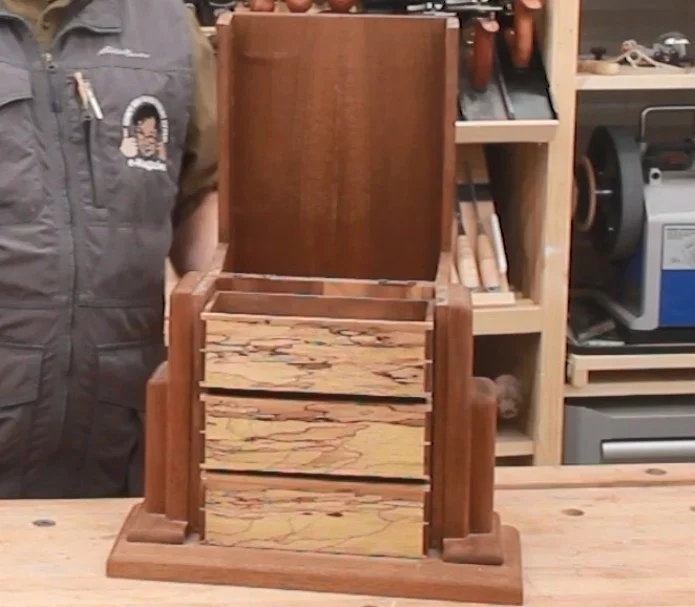
What I still love about this cabinet is that the real surprise is found inside—the three dovetailed drawers with their spectacularly figured front panels. These are made from spalted maple, which I think is one of the most beautiful woods around.
What Is Spalted Maple?
So what is spalted maple, where can you find it, and what do you need to know before you use it in your next project?
Spalted maple is just regular maple that’s been infiltrated by fungus—basically, it’s partially rotten. This can happen while the tree is still standing, after the log has been cut and left on the ground for a while, or even in a board that’s been milled and improperly stored. If wood is kept in a damp place that encourages mold growth, spalting can occur in almost any species. But it’s most common in maple, poplar, cherry, and sometimes even walnut.
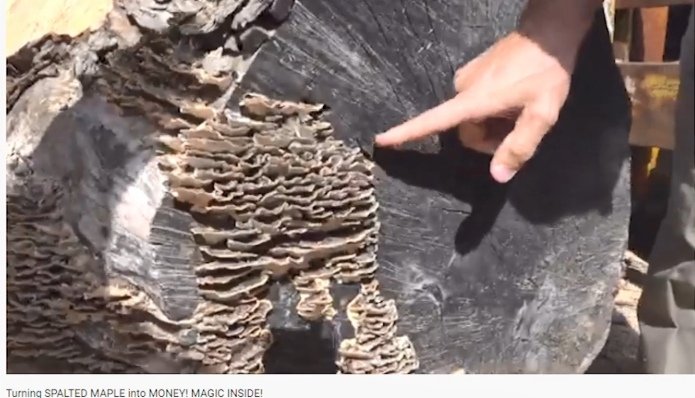
Here, you can actually see some fungus on the outside of the log. It infiltrates the wood fibers and creates random patterns of inky black lines. Spalting isn’t caused by a single type of fungus; different fungi can attack the same log, each producing different effects that result in a mix of colors and patterns.
Can You Make Your Own?
While spalting is a natural process, it can be encouraged—and even expedited—by storing wood in very damp conditions. Some folks even have recipes involving beer or chemicals to promote fungal growth.
It can take a couple of years to achieve a good level of spalting, and it’s easy to go too far. Remember: spalted maple is partially rotten. Some areas around the black lines can become spongy or “punky.” This makes joinery difficult—cutting the dovetails for the drawers was a real challenge due to the soft, crumbling fibers. One way to handle this is by fortifying the wood with diluted glue or other hardeners.
Things to Watch Out For
Aside from stability issues, there are a few other things to watch out for when working with spalted wood:
Changing Grain Patterns: You might have a beautifully spalted board and want to slice it into thinner pieces or veneers. But the same process that creates those striking surface patterns also means they can change—or even disappear—when you cut deeper into the wood. That makes bookmatching difficult compared to other types of figured wood.
Sanding Trouble: Sanding spalted wood can also be tricky. The dust from those black lines can get embedded in softer areas, creating a greyish look. Some woodworkers soak these problem areas with CA glue before sanding to harden the surface and prevent contamination.
Inconsistent Quality: Because spalted maple isn’t typically cared for or dried under ideal conditions, the quality can vary a lot. You might find more cracks, checks, and unusable spots. If you're buying a slab or board for a tabletop or any project that requires a large, uninterrupted surface, inspect it carefully to ensure it’s fully usable.
Where to Find It
Despite its appeal, spalted wood can be hard to find. It’s not especially rare, but many lumber yards discard it because of its inconsistent and unpredictable nature. That said, specialty woodworking suppliers sometimes carry it, and independent sawyers might be able to keep an eye out if they know you're looking. Small pieces can also be found online, which is great if you’re just making boxes or smaller projects. And of course, you can always try to make it yourself.
Happy woodworking!
This post may contain affiliate links. If you make a purchase, we may receive a small commission.
Need some cool tools for your shop? Browse my Amazon Storefront for inspiration.
