
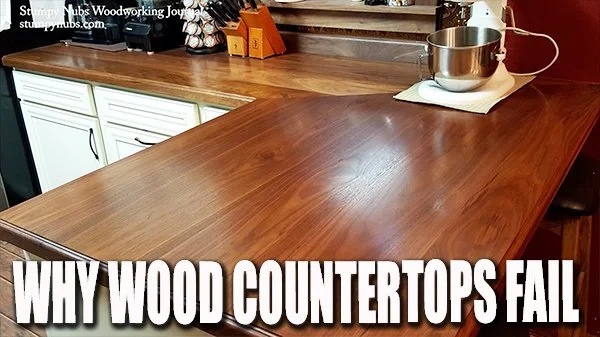
BUTT JOINT VS MITER JOINT: WHICH SHOULD YOU USE?
Learn how to choose and execute miter and butt joints for large wood panels like countertops and desktops. Discover tips for handling wood movement, alignment, and fastening to create seamless, durable corner joints.
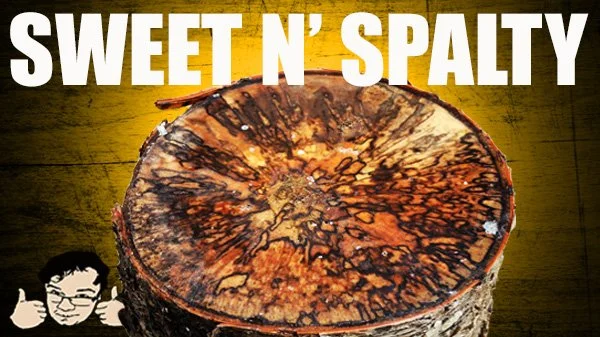
IS SPALTED WOOD DANGEROUS?
Spalted maple is beautifully patterned wood created by fungal activity, prized for its striking black lines and unique coloration, but it can be soft, unstable, and tricky to work with. With careful selection and attention to grain, sanding, and cutting, you can use it to create stunning projects like dovetailed drawers and decorative panels.
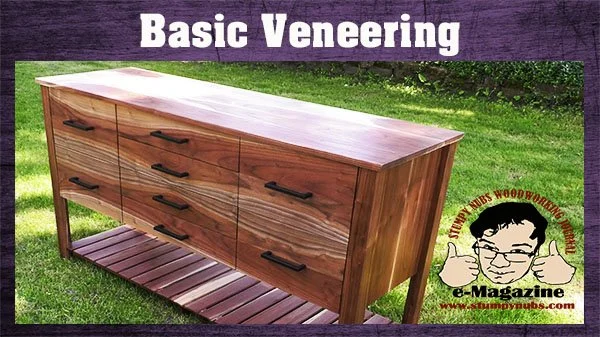
DON’T THROW THAT UGLY WOOD OUT!
With clever techniques like book-matching, veneering, and using plywood backers, even flawed or sapwood-heavy lumber can be transformed into stunning furniture panels. This article shows practical tips for making the most of every board, creating balanced and eye-catching designs from pieces many woodworkers might discard.
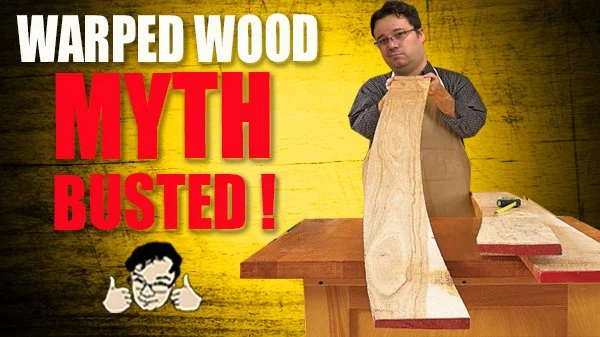
HOW TO STOP WOOD PANELS FROM WARPING
Do alternating growth rings really prevent table tops from warping? Learn why this common woodworking myth persists, how wood actually moves, and how proper joinery—not board orientation—is the real key to flat, stable panels.
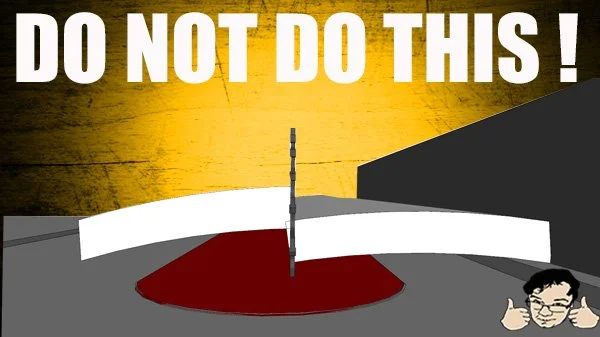
ROUGH SAWN BOARDS AND THE TABLE SAW
Cutting rough or warped boards on a table saw is risky due to bows, twists, cups, and crooks that can cause kickback or binding. This guide explains the dangers and offers safer alternatives, including band saws, hand planes, jigs, and proper use of splitters or riving knives.

HOW TO BEND 3/4” PLYWOOD
Learn how to kerf-bend plywood to create strong, smooth arches for cabinetry and built-ins. This guide covers kerf spacing, grain orientation, bending forms, glue-ups, smoothing techniques, and expert tips for achieving clean, professional curved woodwork.

HOW SIMPLE WOOD SCREWS ARE NO LONGER THE SAME
Discover how drywall, Spax, and GRK screws perform in hardwood projects. Learn which screw features—serrated threads, fluted tips, and head geometry—improve grip and prevent splitting for stronger, cleaner joints.

WILL A CHEAP 2X6 PINE WORKBENCH LAST?
Eight years later, a recycled-construction-lumber workbench is still rock solid thanks to clever layered joinery and bone-dry salvaged wood. While a few vise placements and design choices could be improved, the bench has proven that you don’t need expensive hardwoods to build a durable, high-quality workbench.

THE CLEVER 10-SECOND WOODWORKING TRICK I USE TO IMPRESS PEOPLE
Learn an easy and reliable technique to make precise end, cross, and angled lap joints for your woodworking projects. Using a shim and stop block method ensures a perfect fit every time, whether on a table saw or router table.

JOINTER VS PLANER VS SANDER - WHERE SHOULD YOU START?
Not sure whether to buy a jointer, planer, or drum sander first? This guide explains their roles, differences, and which tool to prioritize so you can flatten, thickness, and smooth boards effectively without wasting money or effort.

THE TRUTH ABOUT MDF WILL MAKE YOU THINK TWICE!
Discover the benefits and proper uses of MDF in woodworking. Learn why this stable, paintable material is ideal for panels, built-ins, and veneered furniture when handled correctly.

CASE HARDENING: THE SCOURGE OF WOODWORKING
Case hardening happens when lumber is dried too quickly, creating internal stress that causes boards to warp, pinch, or even crack once cut. Learn how to spot this hidden defect before it ruins your wood — and how to handle it if you find it.

UNDERSTANDING AIR-DRIED VS. KILN-DRIED LUMBER
When it comes to woodworking, one of the most important decisions you'll make is choosing the right lumber for your project. But how dry does it really have to be? And can you trust lumber that you've cut and dried yourself?