
SEMIGLOSS VS GLOSS VS SATIN
Achieving a consistent satin or semi-gloss wood finish isn’t about the finish itself—it’s all in the flattening agents and how you mix and apply them. Properly stirring, layering, and even polishing satin finishes can give you predictable, beautiful results while maintaining clarity and control over sheen.
When I first started out, I quickly learned how to apply a decent glossy film finish, but I struggled to get consistent results from satin or matte finishes. It wasn’t until I learned a little bit about what makes a finish less glossy that the light bulb went on in my head—and I started getting much, much better results. In this post (and the video above), I’ll share those secrets with you.
The Basics: What Makes a Finish Flat?
Most film finishes start out glossy and are made less glossy by adding flattening agents. For example, you might see three different cans of polyurethane on the shelf: one marked gloss, another semi-gloss, and another satin. It’s all the same base finish. The difference is in the amount of flatteners added:
Gloss contains no flatteners
Semi-gloss contains some
Satin contains a lot
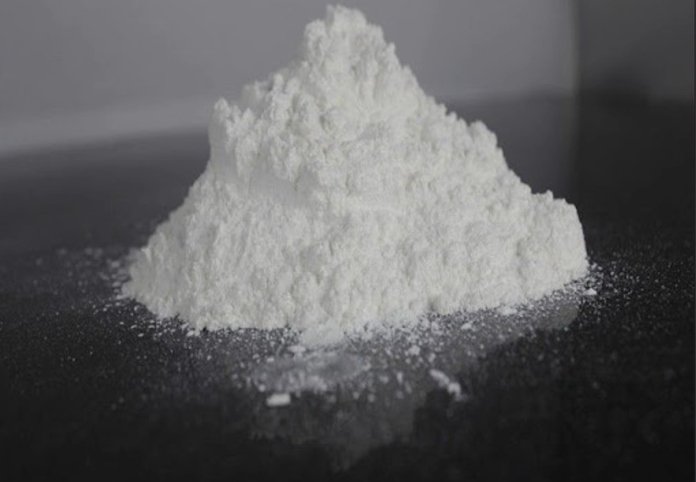
Flatteners make a finish less glossy.
Flattening agents are tiny particles—usually silica—that change the texture of the finish so it reflects light differently. The way it works is pretty interesting. As a finish dries, it shrinks slightly. The microscopic silica particles disrupt the surface as it cures, causing it to pucker ever so slightly, making it microscopically rough. Not rough enough to feel—it will still be perfectly smooth to the touch—but just rough enough to scatter light rays and reduce shine.
Why This Matters
This is an important point: it's not the finish itself that's less glossy, it's the texture on the surface once it dries. And this has a few key implications.
1. Mixing is Crucial
You must fully stir a semi-gloss or satin finish to get consistent results. All those flattening agents settle to the bottom of the can over time. If you just dip your brush into the top without mixing, you’re essentially applying pure gloss—even if the label says satin. To avoid this:
Stir thoroughly before each use
Keep it stirred as you apply, so the flatteners remain suspended
For this, I bought a magnetic mixer like those used in chemistry labs. You set the cup of finish on top, drop in a little metal pellet, and turn it on. The pellet spins and stirs the finish thoroughly without introducing bubbles. Sometimes I leave the cup on the mixer while I work; other times I just return it for a re-stir every few minutes. This mixer is also great for dissolving shellac flakes.
Proper, consistent mixing will reduce streaks and ensure uniform sheen across your entire project.
2. You Can Layer Gloss and Satin
Let’s go back to that idea of how flattening agents affect the surface texture. It also means you can mix gloss and satin finishes in your process. I don’t mean pouring them into the same can (though you could), but consider this:
Suppose you want a satin finish, but you only have a small amount of satin poly and a full can of gloss. You can apply two coats of gloss first, and finish with a top coat of satin. That final coat will contain the flatteners that alter the surface texture, canceling out the gloss underneath.
3. You Can Polish a Satin Finish to Make It Glossy
Since the satin effect comes from that microscopically rough texture, you can reverse it. The easiest way is to add a final coat of gloss. But you could also wet sand the cured satin finish with very fine sandpaper to smooth out the surface. Once it’s smooth enough, the light reflects more evenly, and it looks glossier.
The Debate: Does Satin Finish Cloud the Wood?
Here’s a common debate—even among experts: Do the silica particles only affect the surface, or do they cloud the finish throughout its entire thickness?
Silica is basically quartz sand—tiny, colorless crystals that don’t dissolve. In theory, they create a hazy effect throughout the finish layers, not just at the surface. That’s why some folks recommend only using a semi-gloss or satin finish on the final coat.
Their argument is: If you build up your finish with layers containing flatteners, you may end up with a cloudy or dull appearance that obscures the beauty of the wood. But if you build up with gloss and only use satin on the final coat, the result will be clearer and more attractive.
Is That Really True?
In theory, yes. But in practice? I’m not sure the difference is noticeable to the average eye. It reminds me of the hand-cut vs. machine-cut dovetail argument. The average person opens a drawer and sees dovetails—they’re impressed. They don’t know (or care) if they were cut by hand or with a jig. That level of detail is something woodworkers care about, not regular folks.
If you’re a highly skilled finisher, you might see the subtle difference in clarity between three coats of satin and two coats of gloss with a final satin coat. But I guarantee the person you made the project for won’t. All they’ll care about is that it feels nice to the touch and isn’t too shiny.
In Summary
Let’s wrap up the key takeaways:
Most film finishes are naturally glossy. Flattening agents (usually silica) are added to reduce sheen by altering surface texture.
Stir thoroughly and continuously when using satin or semi-gloss finishes—flatteners settle fast.
You can apply gloss and satin layers interchangeably, as long as your final coat sets the sheen you want.
A satin finish can be polished or coated with gloss to increase shine.
While multiple coats of satin may reduce finish clarity, most people won’t notice unless they’re trained finishers.
Finishing is both a science and an art. Understanding how flattening agents work gives you more control over your final results—and once I figured this out, my finishes improved dramatically. Hopefully, yours will too.
This post may contain affiliate links. If you make a purchase, we may receive a small commission.
Need some cool tools for your shop? Browse my Amazon Storefront for inspiration.
