
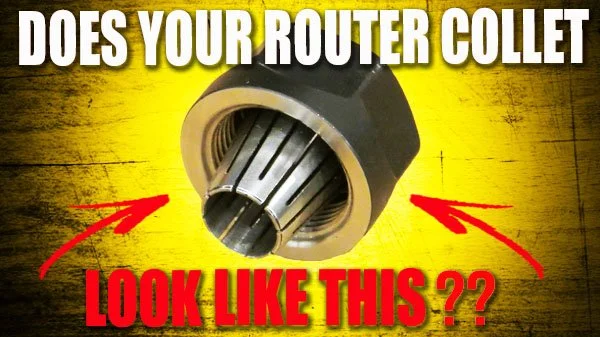
WHY YOU HAVE TO LOOSEN A ROUTER BIT TWICE
Ever wondered why your router collet seems to loosen twice before the bit comes free? This article explains the clever engineering behind self-releasing collets, revealing how the two-step loosening process actually helps eject the bit safely and prevents the frustrating sticking problems common in older router designs.
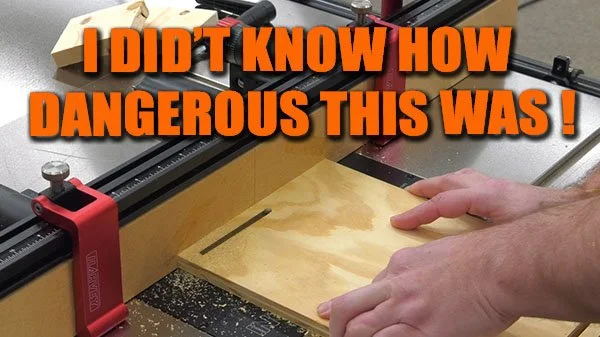
HOW TO SAFELY CUT SLOTS WITH A ROUTER TABLE
Cutting slots on a router table seems simple—but without the right technique, it can turn dangerous fast. Learn how to hit your start and stop marks accurately, avoid climb cuts, and maintain full control for safe, clean results every time.
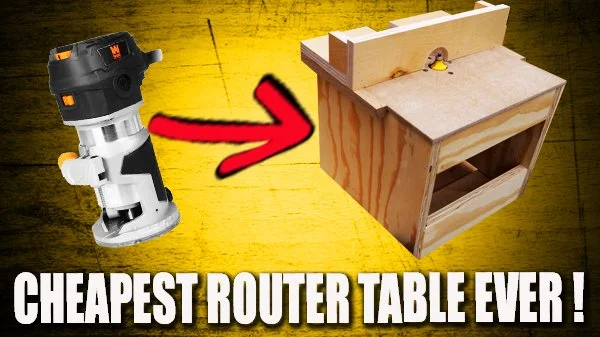
A DIY ROUTER TABLE THAT COSTS NOTHING!
This simple DIY portable router table turns a handheld trim router into a compact, versatile workstation you can build in about an hour from shop scraps. It’s cheap, clever, easy to store, and useful for far more than just cutting box joints.
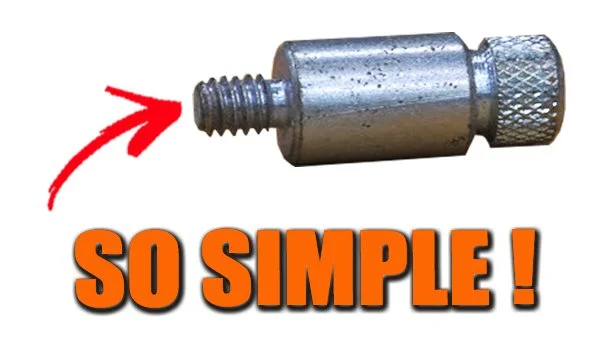
CLEVER LITTLE DEVICE SAVES FINGERS - ROUTER TABLE STARTER PIN
A router table starter pin may look like a simple accessory, but it dramatically improves control and safety when beginning freehand routing cuts. This small, inexpensive device acts as a pivot point that helps prevent dangerous catches—and you can make one for less than a dollar.
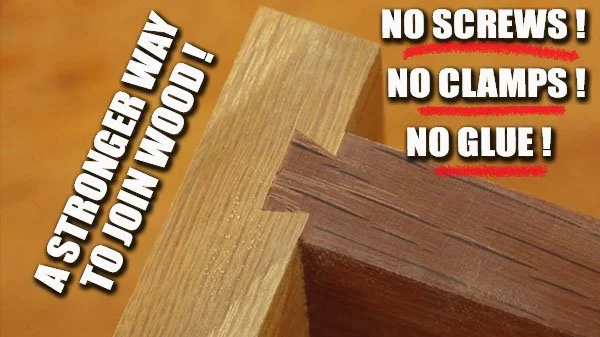
A STRONGER WAY TO JOIN WOOD: SLIDING DOVETAILS
Ready to level up your joinery? A tapered sliding dovetail delivers rock-solid strength, clamp-free assembly, and serious wow factor—and it’s far easier to make than most tutorials would have you believe.
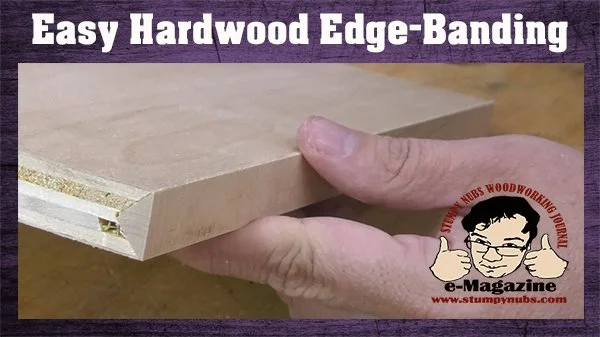
MAKE PLYWOOD LOOK LIKE HARDWOOD
Plywood is stable and affordable, but its exposed edges can ruin the look of a project. This method uses a simple V-groove router bit to add solid hardwood edge banding that’s tougher, cleaner, and more durable than iron-on veneer.

USING LARGE ROUTER BITS SAFELY
Large router bits can be far more dangerous than they look. Learn how bit size, weight, RPM, and cutting technique affect safety—and how to avoid kickback, vibration, and catastrophic failures when routing big profiles.
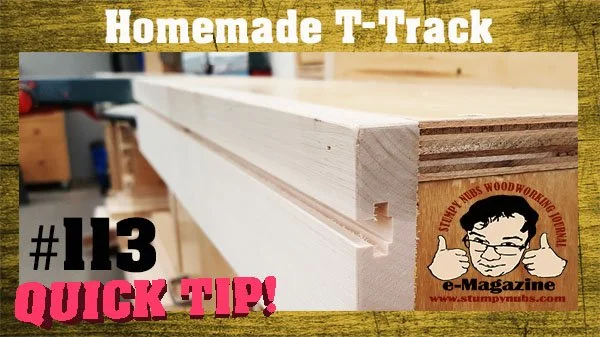
HOW TO MAKE T-TRACK OUT OF WOOD
T-track is incredibly useful for jigs and fixtures—but buying aluminum track can get expensive fast. This guide shows how to make durable wooden T-track with two router bits, saving you serious money without sacrificing functionality.
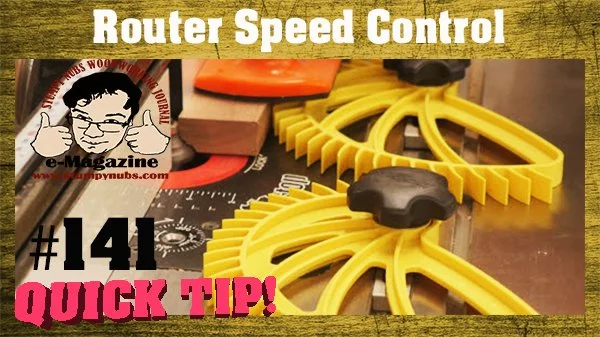
CONTROLLING YOUR ROUTER’S SPEED AND FEED RATE
Router speed isn’t just a convenience—it’s critical for safety, cut quality, and keeping large bits from moving at blistering speeds. Match your router’s RPM to bit size and adjust your feed rate to get cleaner cuts, less burning, and a much safer shop experience.
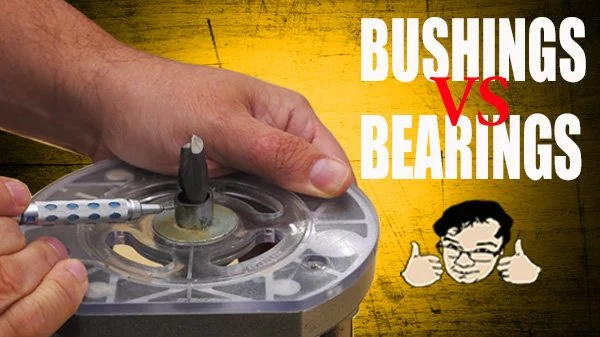
ROUTER BUSHINGS VS BEARINGS: WHAT YOU SHOULD KNOW
Router bushings and bearing-guided bits may seem similar, but they serve very different purposes. This guide explains when to use each one—so your mortises, templates, and flush trims come out accurate, clean, and safe.
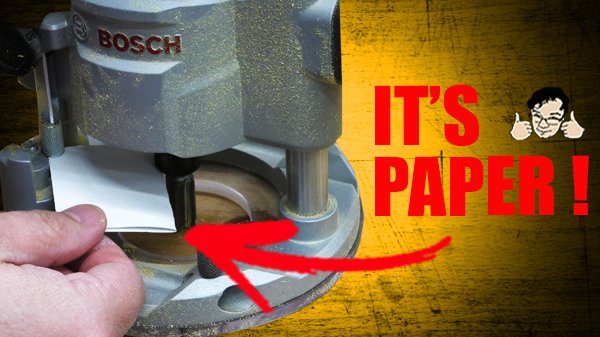
HOW TO PROPERLY USE A PLUNGE ROUTER
A plunge router isn’t just a fixed-base router that moves up and down—it’s a precision machine packed with features that can transform your woodworking. Learn how to master its depth stop, micro-adjustments, and setup tricks for cleaner cuts, safer mortises, and flawless inlays.

THE COMMON MISUNDERSTANDING OF SAFE ROUTER FEED DIRECTION
Feeding a router the wrong way can ruin your cut—or worse, be dangerous. This guide explains push cuts vs. climb cuts, when to use each, and how feed direction changes between handheld routers and router tables.
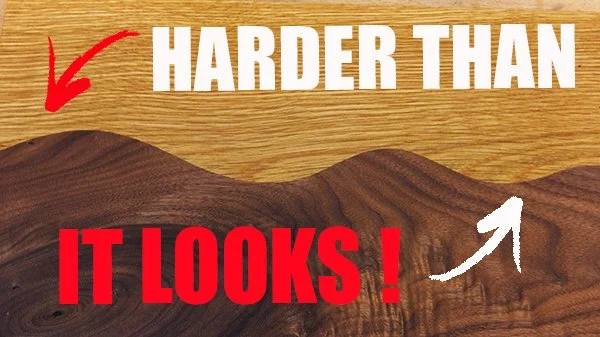
THE SECRET TO CUTTING COMPLEMENTARY CURVES
Several years ago, I made a video about creating complimentary curves with a router. A lot of people were very complimentary about that video. Others, however, were a little confused. So, I’ve decided to revisit the concept from that video, showing a similar method but with readily available bits. This is such an amazing technique with so many creative uses that you’re definitely going to want to know about it.
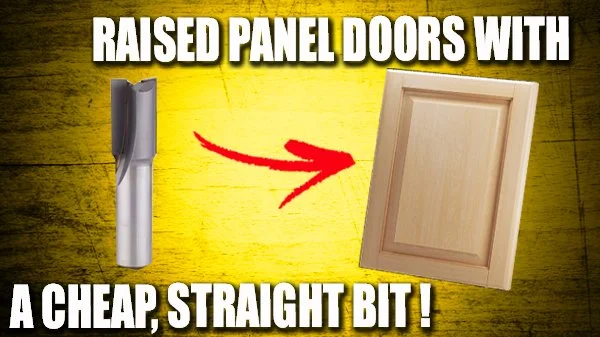
HOW TO MAKE RAISED PANELS WITHOUT EXPENSIVE TOOLS
Raised panels are a fundamental part of cabinets and furniture. If you're into woodworking, you'll eventually need to make them—and when you do, you’ll be bombarded with videos and articles that demonstrate all sorts of methods using tools you probably don’t have. In this article, I’m going to walk you through how to make raised panels quickly, easily, and safely with just a regular straight router bit.

THE BEST ROUTER TRICK I KNOW - MAKING PICTURE FRAMES WITH REGULAR ROUTER BITS
Router bits aren't cheap. I think that's why a lot of folks just use the same one or two profiles on every project. Those are simply the bits in their set, and they don't have the budget to buy a fancy, complex profile bit just to make one project. But early on in my woodworking career I learned a skill that saved me a lot of money…