
CLEVER LITTLE DEVICE SAVES FINGERS - ROUTER TABLE STARTER PIN
A router table starter pin may look like a simple accessory, but it dramatically improves control and safety when beginning freehand routing cuts. This small, inexpensive device acts as a pivot point that helps prevent dangerous catches—and you can make one for less than a dollar.
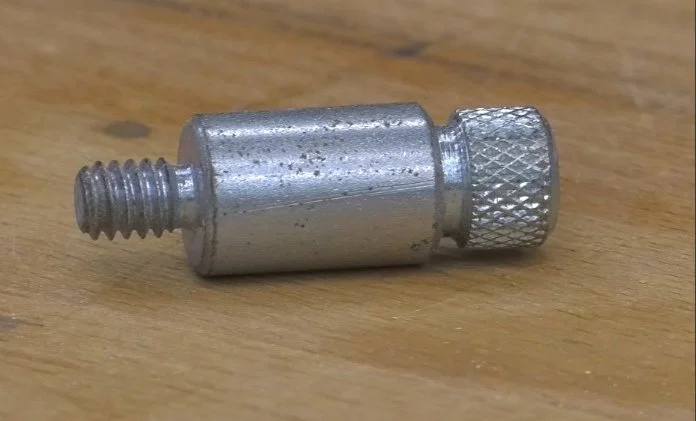
Do you know what this is?
It looks simple, but it’s an absolutely ingenious accessory that saves fingers. Unfortunately, many woodworkers have no idea what it is—let alone how it can help keep their hands safe.
In this article, I’ll explain:
What it does
Why you should be using one
How you can make one for less than a dollar
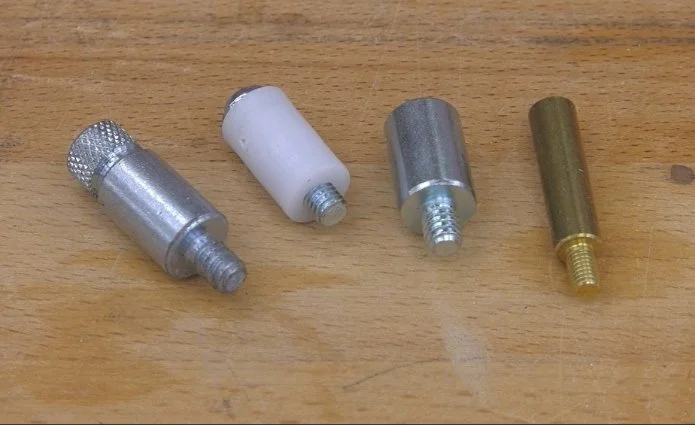
It’s called a starter pin, and it’s an essential safety device for router tables.
If you own a router table, you need a starter pin. And if you have one but never use it, you should start.
Hear me out.
Why Freehand Routing Can Be Dangerous
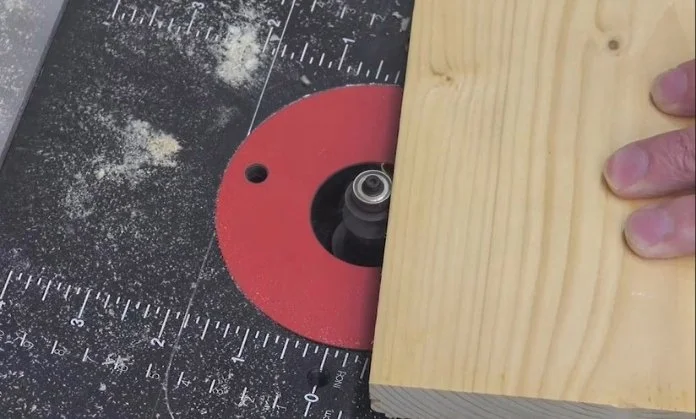
Freehand routing without a fence relies on the bit’s bearing to guide the workpiece.
Without that bearing, the cutters on the bit can drag the workpiece—and your hands—into the danger zone around the spinning cutter.
And remember:
There’s no sewing back on what a router bit removes.
The problem is that before the workpiece can touch the guide bearing, you have to get it past the spinning cutter first.
During that brief moment at the beginning of each cut, you’re essentially freehanding with very little control.
If the bit has small cutters, the risk is relatively low.
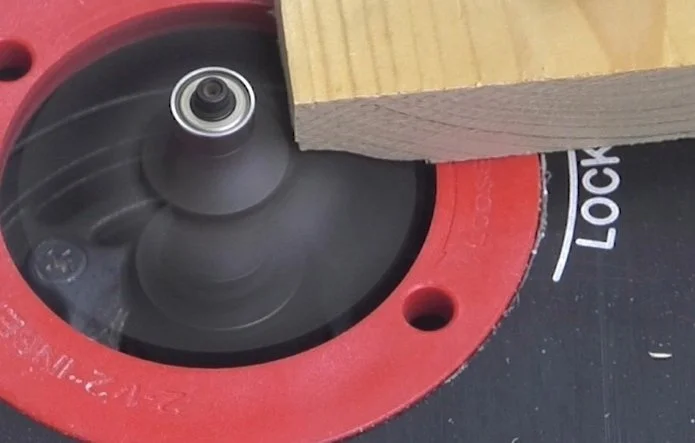
But the larger the cutter, the more likely it is to catch the workpiece if things go wrong—especially if:
You hit a corner
You contact dense end grain
The cutter grabs the wood at just the wrong moment
When that happens, the bit might:
Kick the workpiece back toward you
Pull the end of the piece around to the back side of the bit
On the back side of the bit, the cutting motion reverses direction and can pull your hands exactly where you don’t want them to go.
People have lost fingers this way.
And it’s completely unnecessary, because starter pins are so easy to install and use.
What a Starter Pin Does
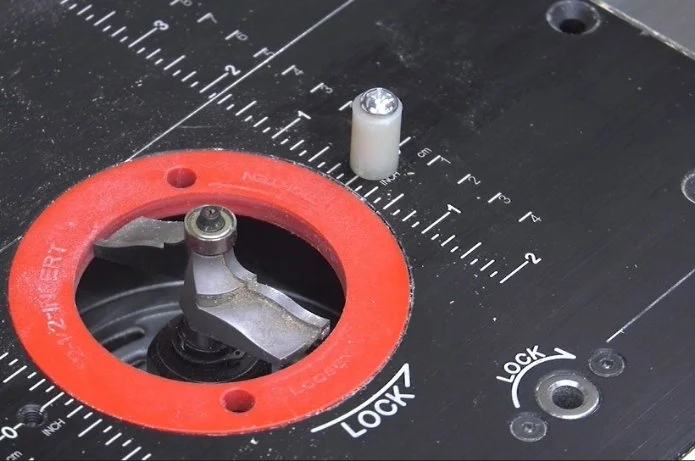
A starter pin simply screws into a hole on top of your router plate.
Whether you’re using a router lift or a standard router plate with the router mounted underneath, most commercial plates include at least one hole for a starter pin.
If you have a homemade router plate, you can easily add one:
Bore a hole in the plate
Tap it with threads or install a threaded insert
Use a bolt or machine screw with a nylon spacer
That’s all it takes to make your own starter pin.
How a Starter Pin Improves Control
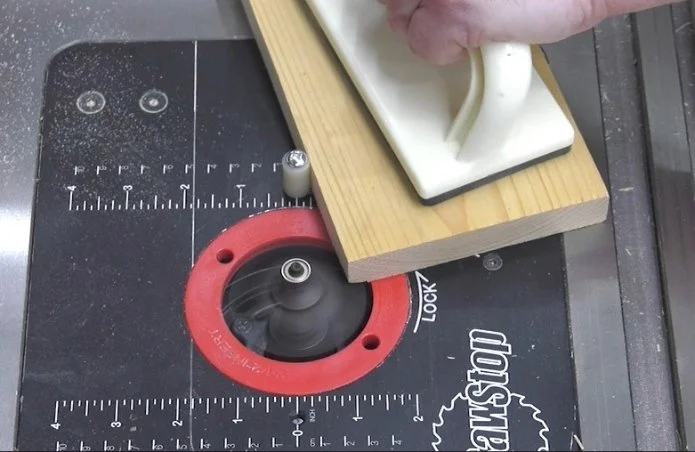
The starter pin creates a fulcrum point.
This allows you to lever the workpiece toward the bit, giving you much greater control as you begin the cut.
For example, if I want to start a cut at the corner of a workpiece, the starter pin lets me safely align that corner with the bearing.
I can even move the starter pin to a different position so I can safely begin a cut on the end grain of a board—assuming the board is wide enough to route safely without a sled.
The key thing to remember is this:
The starter pin is only meant to help you start the cut.
Once the workpiece moves away from the corner and the bearing takes over, you simply pivot the workpiece off the pin and continue routing normally.
Does a Starter Pin Prevent All Problems?
No.
A starter pin won’t prevent every possible catch—especially if you try to remove too much material at once, particularly on end grain.
But it gives you the leverage and control needed to keep the workpiece stable and prevent it from being pulled to the dangerous back side of the bit.
And that’s a huge improvement in safety.
Don’t Let Your Starter Pin Get Lost
Do you have a starter pin?
Do you use it?
Do you even know where it is?
Many woodworkers store their starter pin in:
A router bit rack
A drawer
Somewhere else in the shop
But if it’s out of sight, it’s often out of mind.
Click to enlarge
Many years ago, Woodworker’s Journal suggested drilling and tapping a hole in your router table fence so you can store the starter pin right on the table where you’ll see it and use it.
Other woodworkers attach a small magnet somewhere on the router table to hold the pin.
Either way, keeping it visible makes it much more likely that you’ll actually use it.
When You Should Use a Starter Pin
I don’t use a starter pin for every cut.
For example:
You don’t need it when routing with a fence
Large panels are often easier to control by hand alone
But for medium or small workpieces, and especially when routing:
End grain
Near corners
Irregular shapes
There’s really no reason not to use this simple and essential safety device.
Sometimes the smallest tools make the biggest difference—and in this case, that difference could be your fingers.
This post may contain affiliate links. If you make a purchase, we may receive a small commission.
Need some cool tools for your shop? Browse my Amazon Storefront for inspiration.
