
WHY THE WORLD HATES AMERICAN TABLE SAWS
The debate between long and short table saw fences comes down to a trade-off between control and kickback prevention—both sides have valid points. Understanding when to use each approach can improve both safety and accuracy, making a flexible setup the real winner.
Here’s something that always sets my YouTube comments section afire:
48% of you think the other 62% are using their table saws wrong.
And not just a little wrong. No—some of you think the rest of us are so wrong that it’s amazing we still have our nose pickers attached to our chubby American hands.
Let me explain.
A Look Back (And a Little Cringe)
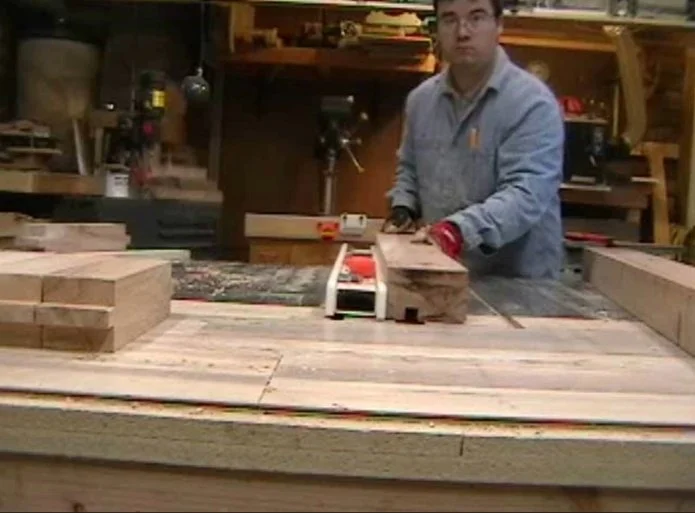
This is me a dozen years ago in one of the first videos I made for YouTube.
Man, I was just a kid—bright-eyed and full of bologna.
And look at that reckless use of a table saw.
No, I’m not talking about the gloves—though I did break myself of that bad habit years ago.
I’m talking about the fence.
The “Typical” American Fence
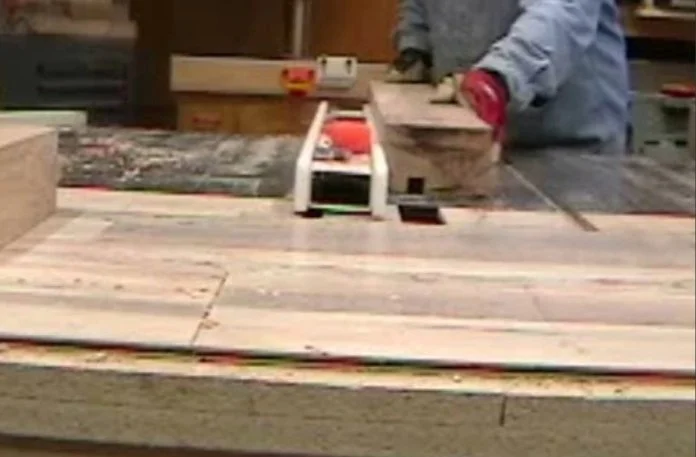
This is the typical American table saw fence.
Since 62% of my audience is located in the U.S., it’s safe to say this is the type of fence most of you are familiar with.
I’ve had many different versions on several table saws over the years, and they all have one thing in common:
The rest of the world thinks they’re stupid.
Okay, maybe not the entire rest of the world. It certainly doesn’t stir people up quite like the markings on our American rulers.
But many of my international viewers have asked why we Americans cling to:
Fractions
Dado sets
Nacho cheese
Long table saw fences
The “Short Fence” Approach
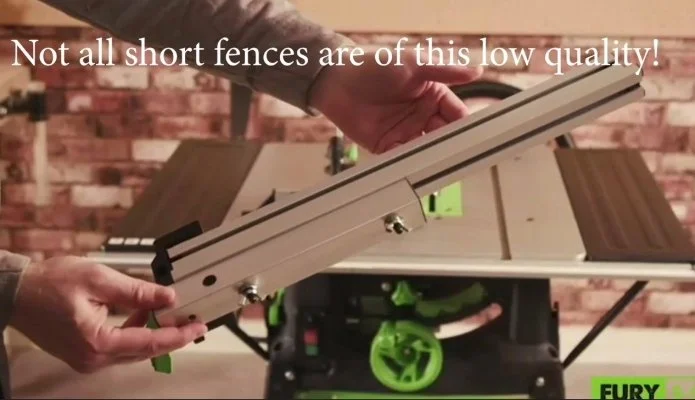
Here’s what many people outside the U.S. consider a proper table saw fence:
A short fence—one that stops just past the center of the blade.
Some prefer an even shorter version that ends just past the front of the blade.
Why Do Some Woodworkers Prefer Short Fences?
It all comes down to kickback prevention.
Kickback most often occurs when wood gets pinched between:
The fence
The rear of the blade
At that point, the saw teeth are moving up and forward. If the wood pinches there, it can be lifted off the table and thrown back toward you.
If your hand is near the blade when that happens, it can be pulled in—and that’s a major cause of table saw injuries.
A short fence reduces this risk by eliminating the fence at that critical pinch point.
The Case of Warped Lumber
If you’ve ever ripped construction lumber, you’ve probably seen a thin offcut strip warp or bow as it separates from the board.
This happens because:
Trees grow with internal stresses
Drying processes can introduce additional tension
When you cut the wood, those stresses are released, causing movement.
If the wood bows toward a long fence, it can bind and increase the risk of kickback.
A short fence gives the wood room to move, reducing the chance of binding.
It makes a lot of sense—in theory.
The Downside of a Short Fence
So why doesn’t everyone use a short fence?
Because it introduces a different problem: reduced guidance.
When ripping long boards, the weight of the material shifts to the outfeed side of the saw. As more of the board passes the blade, it becomes harder to keep it moving straight.
The end of a short fence can become a pivot point, allowing the board to drift to the right.
When that happens:
The leading edge is pushed toward the blade
The blade may remove more material than intended
You can get uneven cuts, burn marks, or rough edges
Sheet Goods Make It Worse
This issue becomes even more noticeable with large sheet goods.
If you’ve ever cut a full or half sheet of plywood, you know how carefully you have to keep it aligned with the fence.
Even small movements can cause the sheet to lever away from the fence.
Now imagine doing that with a fence that’s a foot shorter.
It gets a lot harder.
What About Riving Knives and Splitters?
Some argue that a splitter or riving knife helps guide the workpiece and prevent this problem.
That’s true—to a point.
But these components can flex, especially when dealing with large, heavy panels.
The Case for Long Fences
Despite what some of my international viewers might say, I’m a firm believer that:
The longer your rip fence, the more control you have.
More fence means:
Better guidance
Straighter cuts
More consistent results
This is especially important when working with large workpieces.
The Case for Short Fences
That said, short fences absolutely have their place.
They work well when:
Cutting shorter boards
Working with smaller panels
Ripping construction lumber with internal stress
In these situations, giving the wood a little freedom to move can reduce binding and improve safety.
Why Not Have Both?
Ideally, you’d have:
A long fence for control
A short fence for safety in certain cuts
Fortunately, some table saws offer this flexibility.
For example, my saw has an aluminum extrusion fence that can slide back, effectively turning it into a short fence when needed.
I love this feature and use it whenever I want a little extra kickback protection.
Other Options
If your saw doesn’t have an adjustable fence, you still have options.
Fence Attachments
You can make a simple attachment by:
Clamping a piece of wood to your existing fence
Building a slip-on auxiliary fence
These solutions work well, though they may lack advanced features.
Aftermarket Solutions
There are also products designed specifically for this purpose, such as expandable or adjustable fences that can mimic both long and short configurations.
So… Who’s Right?
Here’s the truth:
If you grew up using a long fence, you’ll probably prefer it.
If you’ve always used a short fence, you’ll likely stick with that.
But if we keep an open mind, we can all agree on one thing:
Both approaches have their merits.
And having access to both options in your shop might just be the best solution of all.
This post may contain affiliate links. If you make a purchase, we may receive a small commission.
Need some cool tools for your shop? Browse my Amazon Storefront for inspiration.
