
STRONGER CABINET FACE FRAME JOINERY
Face frames aren’t outdated—they add strength, stability, and a clean finished look to your cabinets. Choosing the right joinery—from mortise and tenon to no-joinery—depends on your cabinet’s size, load, and how much reinforcement the frame needs.
In an era where frameless cabinet construction has become popular, it’s easy to assume the traditional face frame has become obsolete. But this isn’t the case at all. A face frame has a specific purpose, and choosing the right joinery at the corners can be the key to a strong, lasting project.
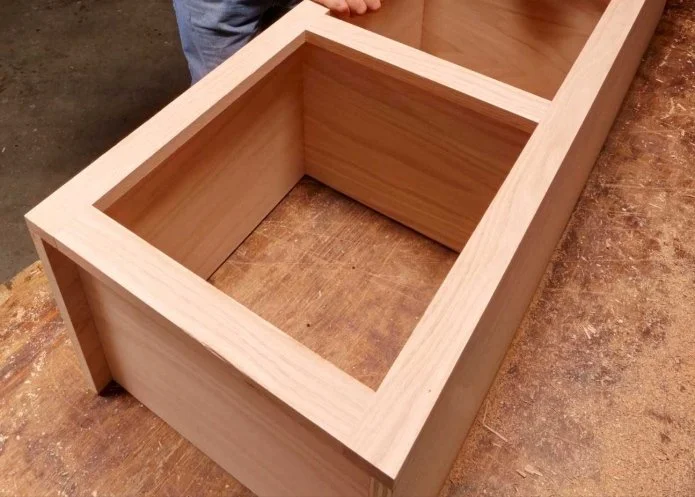
Face frames make cabinets rigid and help prevent warping or sagging that may cause problems down the road, including poorly fitting doors and drawers.
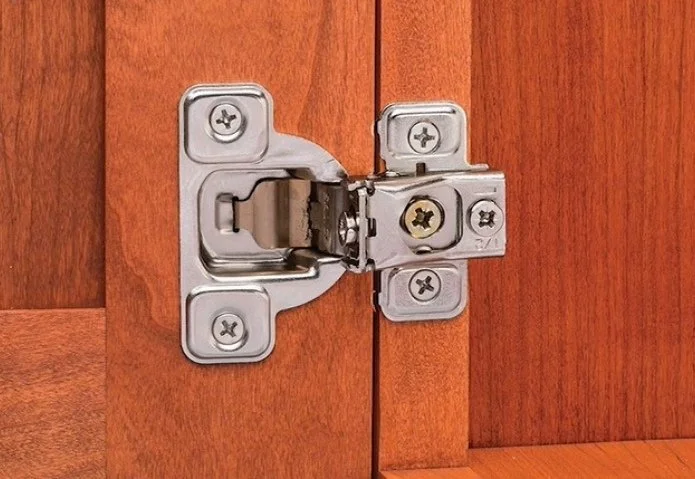
The frame also provides a secure hinge-mounting surface to support the weight of the door, and it improves aesthetics around drawers and shelves.
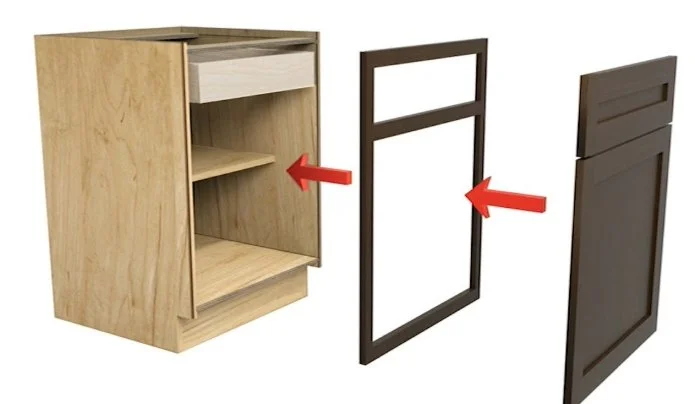
Traditionally, face frames are pre-assembled before they are attached to the cabinet box. This makes it possible to use the frame, which is built square and rigid, to correct or even conceal minor issues with the box itself.
Common Face Frame Joinery Options
Click to enlarge.
There are many different choices for face frame joinery, but the most common may be mortise and tenon, lap or bridle joints, pocket screws, or no joinery at all.
Mortise and Tenon
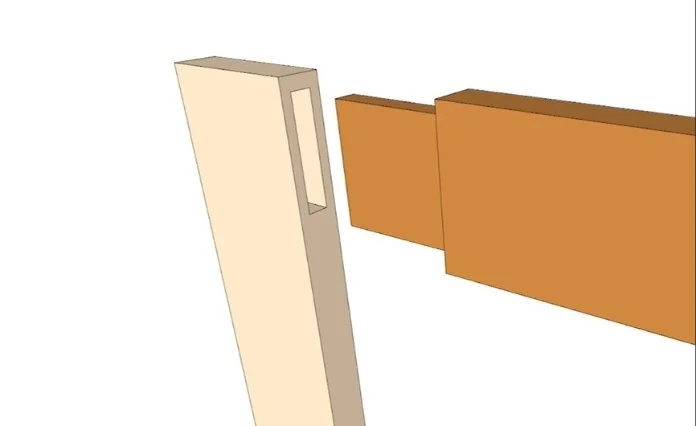
Mortise and tenon joints are perhaps the most difficult to construct of the options. They are made by first cutting the mortise. This may be done with a drill press and a Forstner bit, then cleaned up with a chisel, or a router may be used. The tenon is then cut to fit inside the mortise.
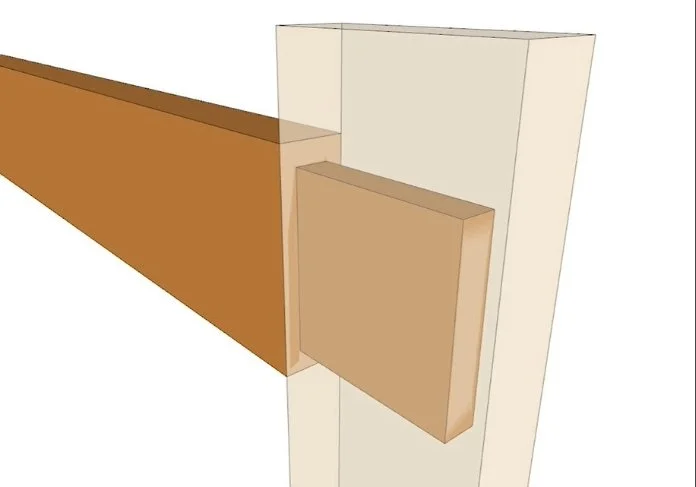
In traditional cabinet door construction, the stiles, which receive the mortises, are left a little long until after the frame is assembled. This ensures the fragile end grain next to the mortise does not break.
Once the frame is glued together, the strength comes from the large glue surfaces on the tenon’s cheeks. For the joint to fail, all the fibers on both sides of the tenon must tear. This is what makes the mortise and tenon option so strong—and it is also what makes lap joinery a good alternative.
Half-Lap Joint
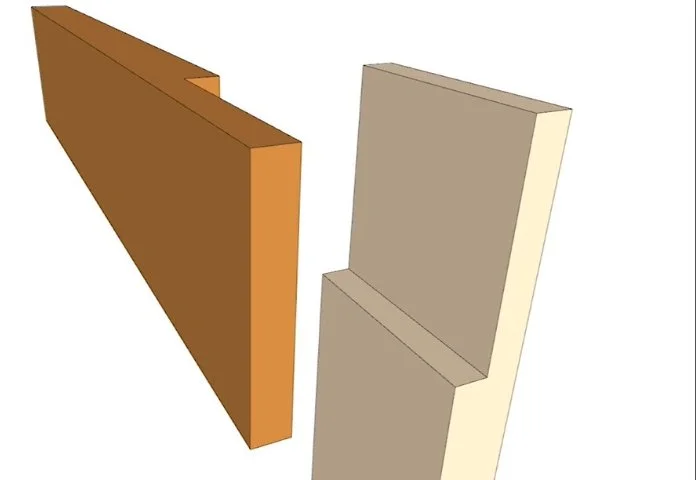
A half-lap joint is much easier to create than a mortise and tenon. You need only remove half the thickness of each workpiece, creating both halves of the joint with a single machine setup.
But since the strength of the joint comes from its glue surface, a half-lap is only about half as strong as a similarly sized tenon. For this joint to fail, the fibers along just one side must tear.
Bridle Joint
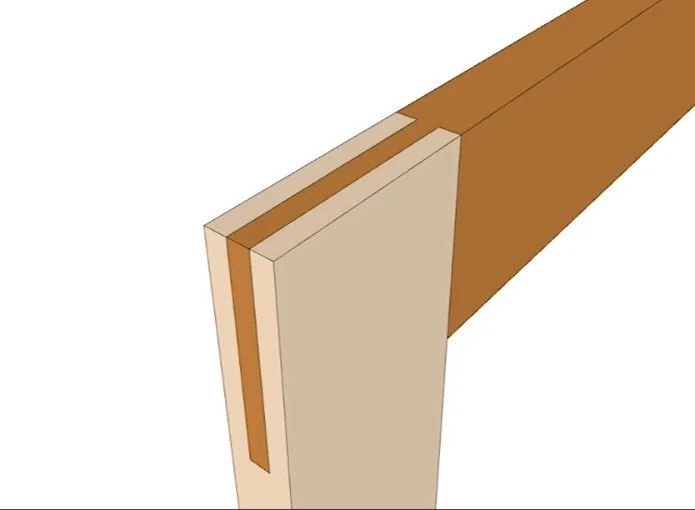
A bridle joint is an alternative to the half-lap that doubles the glue surface and therefore the strength. However, bridle joints require two machine setups, making them more difficult to create than half-laps—though still easier than a mortise and tenon joint.
Pocket Screw Joinery
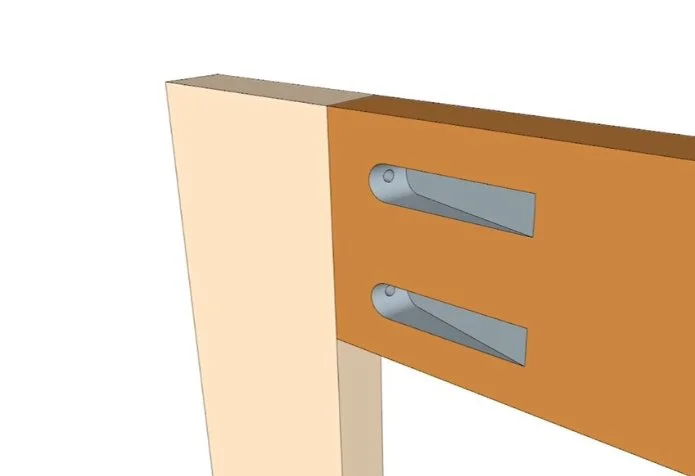
Perhaps the simplest of corner joints is one assembled with pocket screws. This is a butt joint, which has no real strength on its own, even if glued together. But the screws add a strong mechanical component.
For this joint to fail, the wood surrounding the screws must break. A pocket screw joint isn’t the strongest of the options discussed here, but it is still a very sturdy type of joinery for face frames.
No-Joinery Method
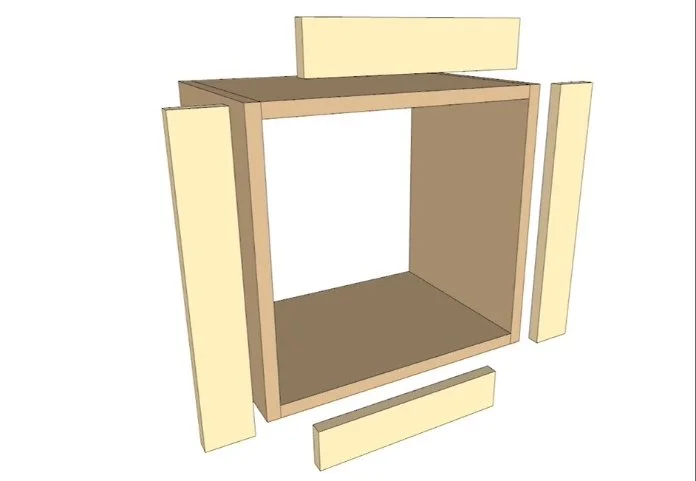
Finally, there is the no-joinery option. Some frames are made by simply attaching the components to the front of the box with no physical connections at the corners. This is definitely the simplest method, but it provides little reinforcement for the cabinet.
Choosing the Right Approach
Which option is best for your project? It depends on how much the face frame will be relied upon for the project’s overall strength.
A large cabinet requires the most protection from its own weight. A face frame will reduce sagging along the horizontal components and resist racking forces that may throw it out of square.
A small cabinet, on the other hand, may require almost no reinforcement from its face frame due to its short horizontal spans and minimal weight.
The way the box itself is constructed is a factor as well. A back panel—or even a wide rear cleat—may hold everything square regardless of the face frame joinery. On the other hand, a large, heavy door may test the strength of the frame it’s attached to a great deal, even if the cabinet has a back panel.
Final Thoughts
There is no one solution for all cabinets—only general guidelines. The larger the cabinet, the stronger the face frame should be. But the more the box itself is reinforced by other means, the less you’ll have to worry about the strength of the frame.
Face frame construction may have a lot of competition these days from modern frameless cabinets, but the choice isn’t just a matter of aesthetics. The frame serves a purpose, and it’s worth considering that when you build your next project.
Happy woodworking!
This post may contain affiliate links. If you make a purchase, we may receive a small commission.
Need some cool tools for your shop? Browse my Amazon Storefront for inspiration.
