
WAS NORM ABRAM WRONG ABOUT BISCUIT JOINTERS?
The biscuit joiner may not add brute strength like a Domino or dowels, but it’s a game-changer for fast, frustration-free glue-ups. If you find a good one at a yard sale, grab it—you’ll thank yourself during your next big panel or cabinet project.
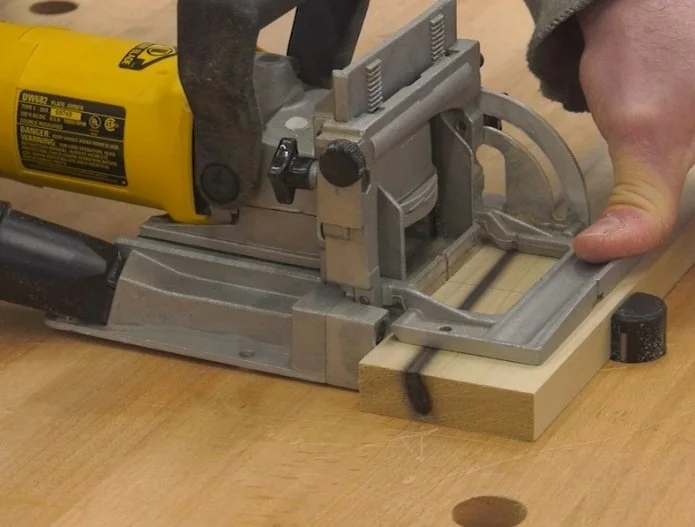
The biscuit joiner is one of the most misunderstood tools in the shop. It’s more valuable than you may think—if you know what it can (and can’t) do. So before you click away thinking this might be the most boring subject on the internet, give me a chance. After this, you might end up fighting over the next one you see at a yard sale or flea market.
I’d bet 80% of the biscuit joiners sitting in shops and garages today were bought during the run of The New Yankee Workshop on PBS. Norm Abram loved his biscuits. He used them for everything—sometimes even in ways that nobody should ever attempt (more on that shortly).
So, was he wrong? Is the biscuit joiner just a useless gimmick, or is it a valuable piece of woodworking equipment you should consider adding to your shop?
Well, I don’t sell biscuit joiners, but I do use them. So here’s my unbiased assessment.
What Biscuit Joiners Are Not
Though stronger than some people give them credit for, biscuits should not be confused with loose tenons (like a Domino) or even a good dowel joint. You never saw Norm trying to connect table legs or chair parts with biscuits—because they simply aren’t strong enough for that.
What They Are Good At
What you did see Norm do was use biscuits to:
Edge-glue panels
Assemble boxes, cabinets, and chests
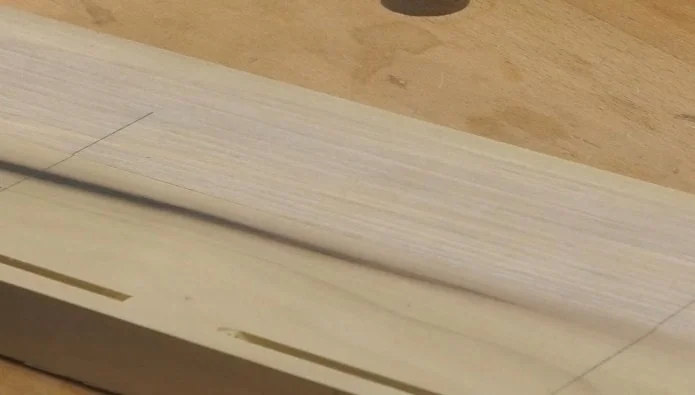
In these applications, the biscuits don’t add much strength. But they greatly assist in assembly. A well-cut biscuit slot helps your parts go together flush and keeps them from slipping out of alignment when you add glue and clamps. That means faster, stress-free glue-ups and a lot less sanding later.
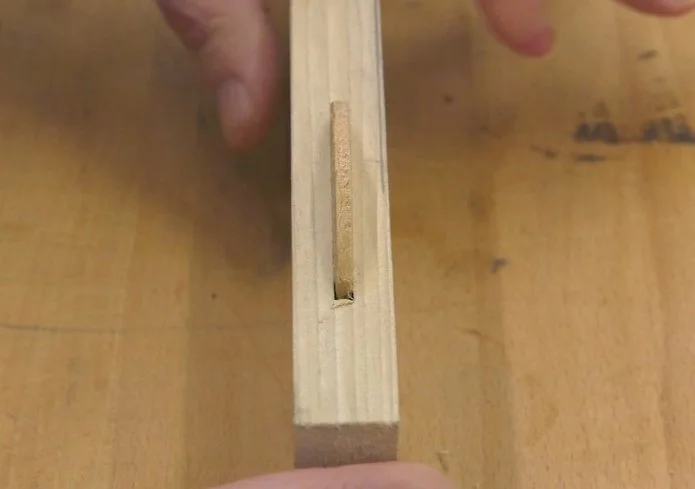
Notice I said well-cut biscuit slots. If your biscuit wobbles loosely in the slot, it won’t align anything. Biscuits are designed to absorb glue and swell for a tighter fit, but even dry, they shouldn’t feel sloppy.
Common Problems (and Fixes)
Poorly fitting slots: Usually caused by a bad biscuit joiner. The cutter may not run true, or the fence may not stay rigid, leaving slots too wide.
Bad biscuits: They can shrink or expand depending on climate. Keep them in a sealed container. If they seem too loose on a dry day, spritz them with water to swell them slightly. If they’re too tight on a humid day, toss them in the microwave for a minute to dry out.
Where They Shine
Biscuits aren’t needed for every joint. But they can be a lifesaver on large glue-ups, like casework or big panels for counters and tabletops.
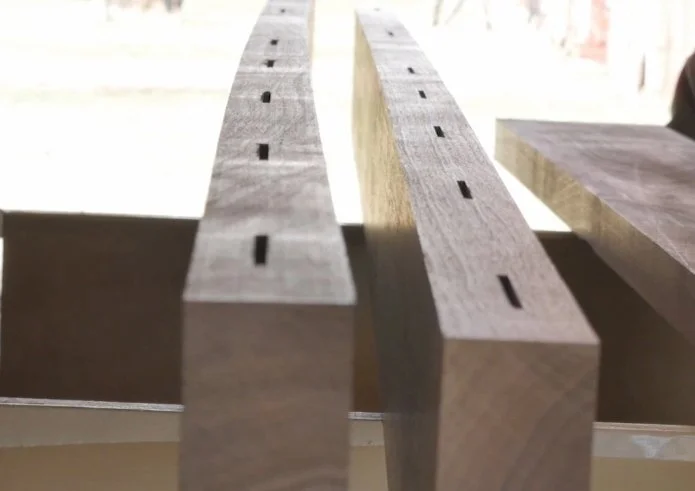
For example, we once edge-glued thick walnut planks for some counters. Without biscuits, it would have been nearly impossible to fight the bows and get everything aligned before the glue set. The biscuits didn’t replace cauls for keeping the panel flat—they just made alignment far easier.
The Downsides
Surface indentations: If you cut slots too close to the surface, glued-in biscuits may shrink more than the panel itself over time, pulling down the fibers and leaving visible dents. For tabletops, consider installing them closer to the bottom surface than the top.
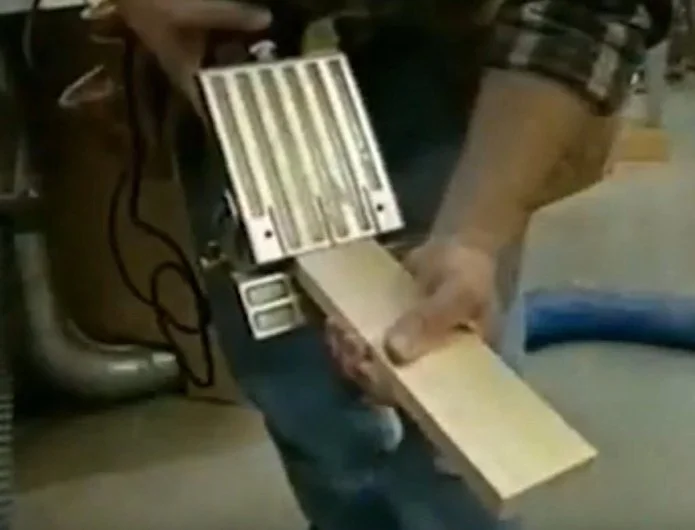
Safety concerns: Some folks (including Norm, back in the day) used biscuit joiners freehand. Don’t do this. The cutter is a small saw blade, and like a table saw, it can bind and kick back. Always clamp your workpiece. You’ll get more accurate cuts—and keep your hands safely away from the blade.
So… Should You Buy One?
Think of a biscuit as a spline, not a tenon. It won’t add much strength, but it will help align parts quickly and accurately.
At full retail price? Probably not worth it.
At a yard sale, flea market, or borrowed from a friend? Absolutely.
A cheap jointer? Worse than none at all. If you buy, get a quality model.
If you can snag a good one for under $100, jump on it. You’ll be glad to have it when you need it.
The Bottom Line
A biscuit joiner isn’t the flashiest tool in the shop, but it can make your life a lot easier—especially on larger glue-ups. That’s why Norm liked it, and that’s why I do too.
Of course, I use mine less these days since I picked up a Domino, but that’s another story for another day.
This post may contain affiliate links. If you make a purchase, we may receive a small commission.
Need some cool tools for your shop? Browse my Amazon Storefront for inspiration.
