FIGURE-8 TABLE TOP BRACKETS THE RIGHT WAY
James Hamilton James Hamilton

FIGURE-8 TABLE TOP BRACKETS THE RIGHT WAY

Learn how to correctly install figure-8 fasteners for table tops, prevent cracking from wood movement, and explore reliable alternatives like Z-clips and wooden brackets.

Read More
IS THIS DOWEL JOINT A GAME CHANGER?
James Hamilton James Hamilton

IS THIS DOWEL JOINT A GAME CHANGER?

Is the viral pinned dowel joint genius or gimmick? Learn the truth about its strength, looks, and whether it’s worth using beyond social media clickbait.

Read More
WAS NORM ABRAM WRONG ABOUT BISCUIT JOINTERS?
James Hamilton James Hamilton

WAS NORM ABRAM WRONG ABOUT BISCUIT JOINTERS?

The biscuit joiner may not add brute strength like a Domino or dowels, but it’s a game-changer for fast, frustration-free glue-ups. If you find a good one at a yard sale, grab it—you’ll thank yourself during your next big panel or cabinet project.

Read More
BUTT JOINT VS MITER JOINT: WHICH SHOULD YOU USE?
James Hamilton James Hamilton

BUTT JOINT VS MITER JOINT: WHICH SHOULD YOU USE?

Learn how to choose and execute miter and butt joints for large wood panels like countertops and desktops. Discover tips for handling wood movement, alignment, and fastening to create seamless, durable corner joints.

Read More
HOW A LITTLE WEDGE MAKES THE STRONGEST JOINT EVER!
James Hamilton James Hamilton

HOW A LITTLE WEDGE MAKES THE STRONGEST JOINT EVER!

The wedged mortise and tenon is one of the strongest mechanical joints in woodworking, combining resistance to shear and tensile forces with a visually striking design. This article walks through every step—from cutting the mortise and shaping the wedges to fitting and gluing the tenon—offering practical tips to avoid common mistakes and achieve a perfect joint.

Read More
WHEN A KNIFE IS BETTER THAN A PENCIL
James Hamilton James Hamilton

WHEN A KNIFE IS BETTER THAN A PENCIL

Choosing the right marking tool can make a huge difference in woodworking accuracy and efficiency. This article explains when to use pencils, mechanical pencils, marking knives, and marking gauges, with practical tips for selecting the proper tool for rough layout, precise joinery, and everything in between.

Read More
LOOSE-TENON JOINERY WITHOUT A FESTOOL DOMINO
James Hamilton James Hamilton

LOOSE-TENON JOINERY WITHOUT A FESTOOL DOMINO

Loose tenons simplify traditional mortise and tenon joinery, allowing faster, more repeatable joints without sacrificing strength. This article walks you through creating a custom mortise jig, cutting precise mortises with a router, and sizing loose tenons for a flawless fit.

Read More
HOW TO STOP WOOD PANELS FROM WARPING
James Hamilton James Hamilton

HOW TO STOP WOOD PANELS FROM WARPING

If there’s one thing that’s popular in the woodworking world these days, it’s a good old-fashioned myth-busting video. Some of them are complete nonsense, of course. But this myth? It’s real: flat panels—such as table tops and cabinet tops—will warp uncontrollably if you don’t cut them into narrow pieces, flip every other board to alternate the grain direction, and then glue them back together.

Read More
THE HISTORY OF WOOD SCREWS
James Hamilton James Hamilton

THE HISTORY OF WOOD SCREWS

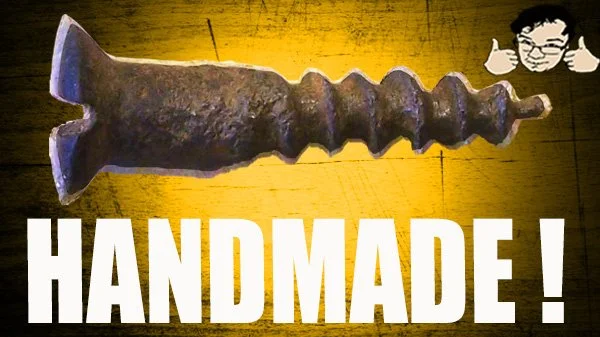
For thousands of years, nails were the only metal fasteners used to attach things together. In a previous article, we discussed how nail technology evolved over time—and why old-fashioned cut nails may actually work better than modern wire nails. In this article, you will learn the fascinating history of screw technology—and why screws aren’t always the best choice.

Read More
JOINERY LESSONS FROM THE DOUBLE BRIDLE JOINT
James Hamilton James Hamilton

JOINERY LESSONS FROM THE DOUBLE BRIDLE JOINT

The double bridle joint is a great way to practice precise, repeatable joinery on the table saw, and it teaches you how to sneak up on a perfect fit instead of relying solely on pencil lines. With a simple tenon jig and the right blade, you can create a strong, attractive joint that’s customizable and clean.

Read More
A CLEVER WAY TO MAKE BOXES, CABINETS, AND DRAWERS
James Hamilton James Hamilton

A CLEVER WAY TO MAKE BOXES, CABINETS, AND DRAWERS

The locking rabbet joint with a hidden groove creates drawers and boxes that are self-aligning, strong, and almost as durable as dovetails—without complicated setups. Using just a router and a few clever fence adjustments, you can make professional-quality cabinetry quickly and easily.

Read More
WORLD’S STRONGEST CORNER JOINT!
James Hamilton James Hamilton

WORLD’S STRONGEST CORNER JOINT!

I love interesting joinery. The right joint can be incredibly strong, but it can also be beautiful in and of itself. I think this joint is a perfect example. I call it the Triple-Castle Joint. If I were a gamer, I might call it the Tri-Force Joint. I have no idea who first came up with it, but I love the complexity—at least the perceived complexity. While this joint looks like a puzzle of mortises and tenons that would be frustratingly difficult to cut, it’s actually made from…

Read More
WILL A CHEAP 2X6 PINE WORKBENCH LAST?
James Hamilton James Hamilton

WILL A CHEAP 2X6 PINE WORKBENCH LAST?

It’s been 8 years since I made this workbench in a two-part series on YouTube. In that time, this bench has seen a lot of use across three different workshops. Since it's made entirely from old construction lumber I thought some of you might be interested to see how it’s held up and if there’s anything I would change in its design.

Read More
INDESTRUCTIBLE: I have NEVER seen a box made like this before
James Hamilton James Hamilton

INDESTRUCTIBLE: I have NEVER seen a box made like this before

This box features a one-of-a-kind “impossible dovetail joint” that cannot be assembled or disassembled conventionally, inspired by centuries-old German log cabin joinery. Its creation required careful planning, compound-angle cutting, and meticulous assembly, making it both a technical challenge and a unique conversation piece.

Read More
MANY WOODWORKERS USE THESE WRONG!
James Hamilton James Hamilton

MANY WOODWORKERS USE THESE WRONG!

Do not let the fru-fru woodworking purists tell you that you can’t use biscuits, dowels, or pocket screws and still call yourself a woodworker. A good housebuilder doesn’t insist every wall be built from cut stone because not every wall needs to absorb a cannonball. The goal is to build something that is beautiful, functional, and durable. Those are the standards good woodworkers are measured by. How you achieve those standards is a personal decision.

Read More