
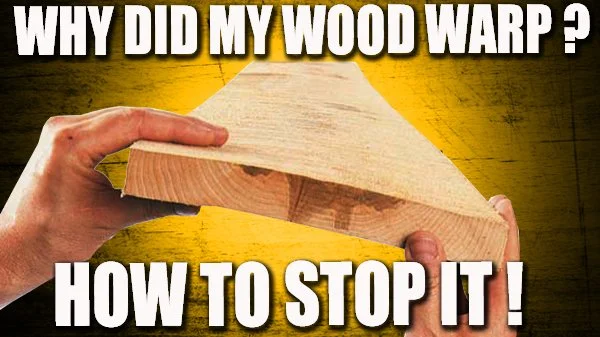
HOW TO STOP WOOD FROM WARPING
Big live-edge slabs look amazing, but if you don’t understand wood movement, they’re almost guaranteed to warp, crack, or cup over time. Learn why the center of the tree is your enemy—and how reading growth rings can help you build flatter, longer-lasting projects.
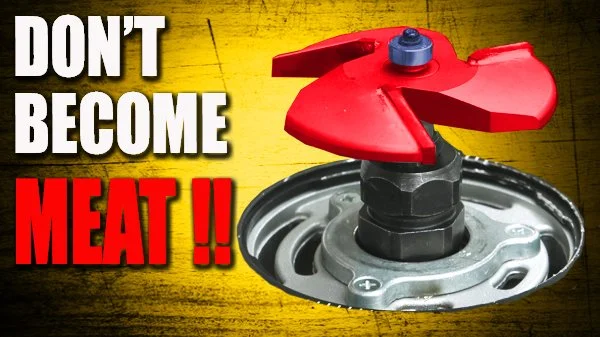
USING LARGE ROUTER BITS SAFELY
Large router bits can be far more dangerous than they look. Learn how bit size, weight, RPM, and cutting technique affect safety—and how to avoid kickback, vibration, and catastrophic failures when routing big profiles.
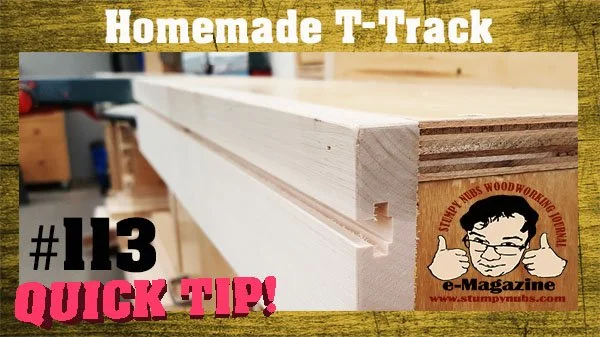
HOW TO MAKE T-TRACK OUT OF WOOD
T-track is incredibly useful for jigs and fixtures—but buying aluminum track can get expensive fast. This guide shows how to make durable wooden T-track with two router bits, saving you serious money without sacrificing functionality.
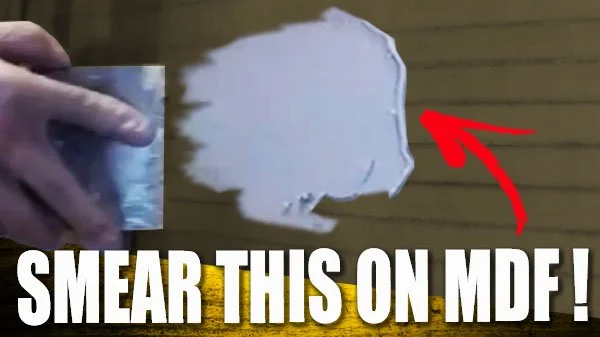
TIPS FOR WORKING WITH MDF
MDF isn’t junk—it’s a stable, flat, and incredibly useful material when you understand its strengths and weaknesses. This guide explains when MDF shines, why its joints fail, how to fasten and cut it safely, and what it takes to get smooth, paint-ready edges.
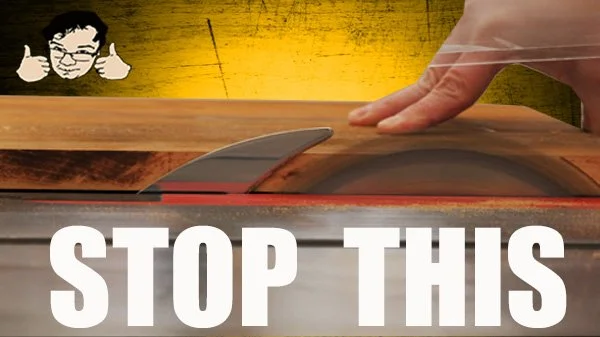
STOP BURNING WOOD WITH A TABLE SAW
Learn what causes scorch and burn marks when cutting wood on a table saw and how to prevent them. Discover how blade cleanliness, sharpness, feed rate, alignment, and wood choice affect burning.
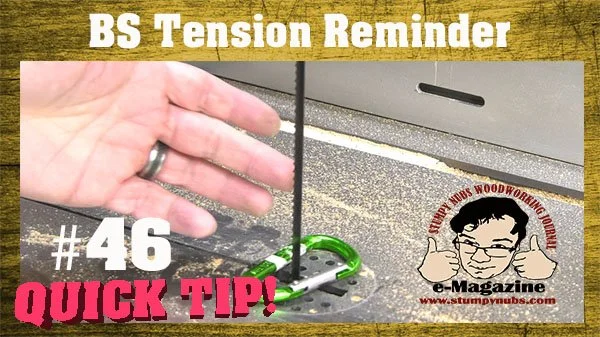
DON’T FORGET YOUR BAND SAW’S TENSION
Releasing bandsaw blade tension is smart—but forgetting to re-tension it can send the blade flying when you hit the switch. A simple carabiner clipped to the blade creates an impossible-to-miss reminder that keeps your saw (and nerves) intact.
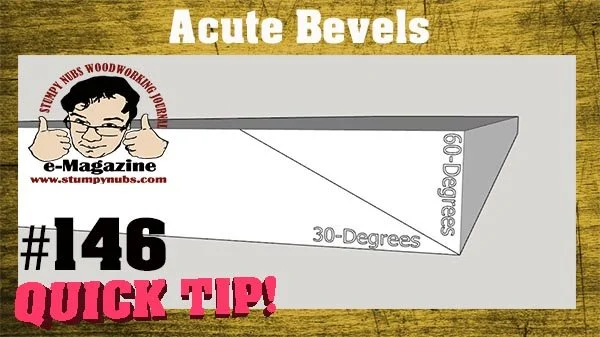
HOW TO CUT ACUTE BEVELS ON THE TABLE SAW
Learn how to cut acute bevel angles, such as 30 degrees, on a table saw using simple math and a safe support technique—no specialty jigs required.
ANCIENT WOOD FINISH IS MAKING A COMEBACK
Shellac is a fast-drying, forgiving, and incredibly versatile wood finish that’s just as relevant today as it was centuries ago. Easy to apply, easy to repair, and beautiful on nearly any project, it proves that “old-school” doesn’t mean outdated.
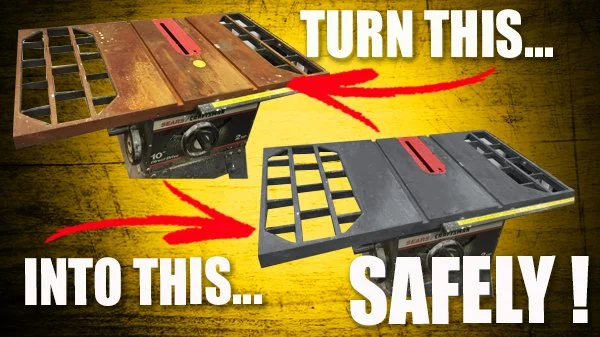
REMOVING TABLE SAW RUST SAFELY
Learn how to clean and maintain a cast-iron table saw top without damaging it. This guide covers rust removal, safe cleaning methods, and proper waxing to prevent future corrosion and improve performance.
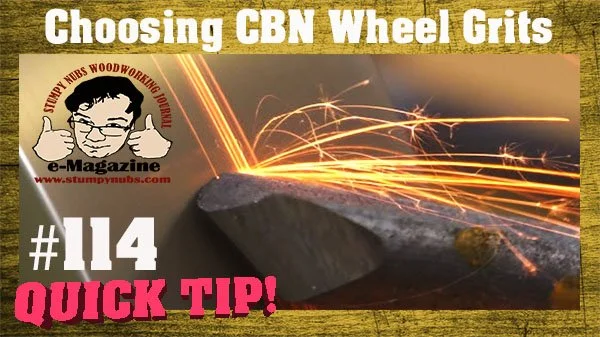
CHOOSING THE RIGHT CBN WHEEL GRITS
Choosing the right CBN grinding wheel grit depends on what you sharpen most—turning tools, woodworking tools, or both—not on traditional grit rules. This guide breaks down the best grit and wheel combinations to maximize edge quality, tool life, and value for your shop.
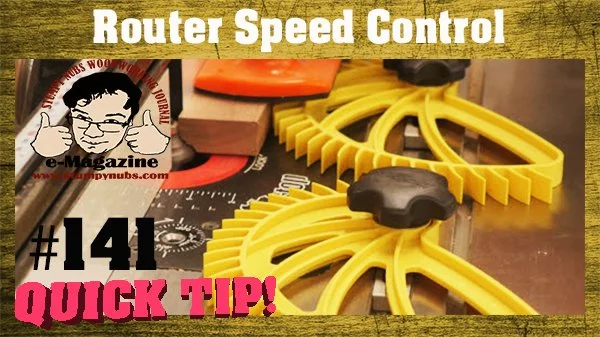
CONTROLLING YOUR ROUTER’S SPEED AND FEED RATE
Router speed isn’t just a convenience—it’s critical for safety, cut quality, and keeping large bits from moving at blistering speeds. Match your router’s RPM to bit size and adjust your feed rate to get cleaner cuts, less burning, and a much safer shop experience.
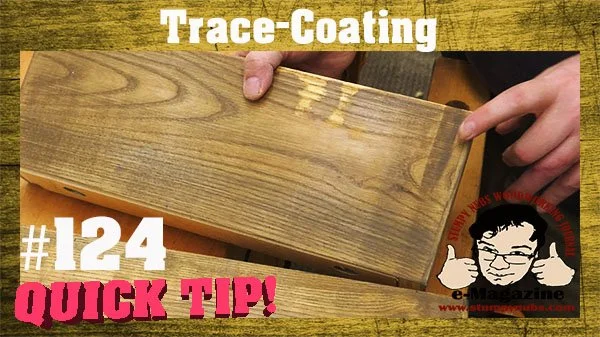
TRACE COATING - A WOOD FINISHING STEP YOU SHOULD DO!
Trace-coating is a simple trick that exposes glue spots, sanding swirls, and hidden flaws before your finish makes them permanent. By applying a thin, temporary coat of stain or colored water and sanding it back, you can fix problems early and end up with a cleaner, more professional-looking finish.
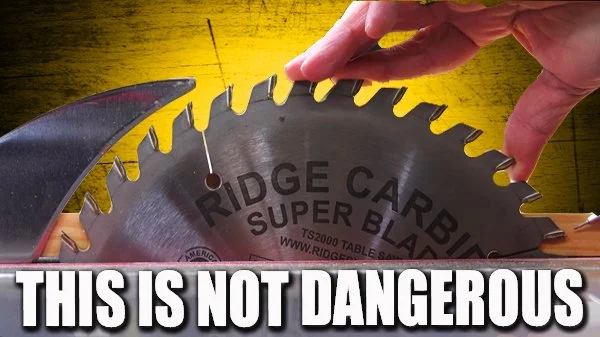
THIS SHOULD END THE SAW BLADE HEIGHT DEBATE
What is the best table saw blade height? Learn how blade height affects safety, kickback, tear-out, heat, and cut quality—and why rigid rules don’t work in real-world woodworking.
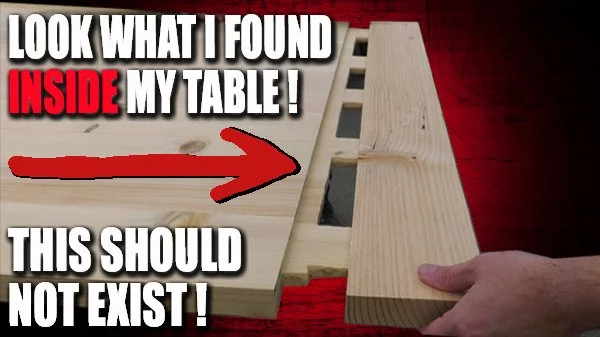
LEARN TO MAKE BREADBOARD ENDS
Learn how proper breadboard-end joinery prevents a tabletop from splitting despite crossed grain. This guide explains tongues, mortises, tenons, and pegged elongated holes that let wood move naturally—transforming inexpensive construction lumber into long-lasting, high-quality furniture.
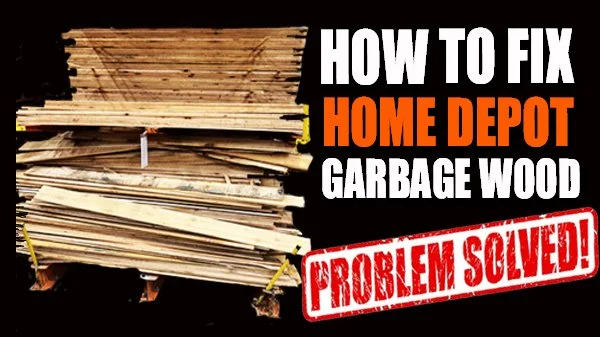
HOW TO GET A FLAT TABLE TOP FROM CONSTRUCTION LUMBER
Learn how to choose construction lumber that stays flat by identifying straight-grain, rift-sawn, and quarter-sawn sections hidden inside wide boards. This guide shows how smart wood selection—plus a simple cutting strategy—can turn inexpensive home-center pine into a long-lasting, stable tabletop.

WHY BOARDS CUP AWAY FROM THE CENTER OF A TREE
Discover a clever paper model from a 1936 issue of The Woodworker that visually explains how and why wood moves as it dries. Learn how flat-sawn, square, and quarter-sawn boards react to moisture changes so you can plan stronger, more reliable woodworking projects.

IS ANY WOOD FINISH REALLY FOOD-SAFE?
Most of the fear around “food-safe” wood finishes comes from marketing, not science. Almost every modern finish is completely food-safe once it has fully cured—so choose your finish based on durability and use, not the label.
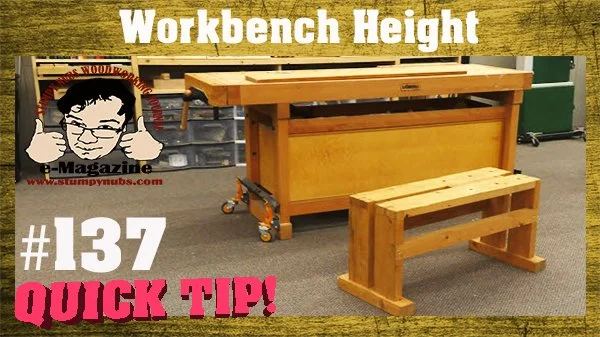
HOW TO CALCULATE THE PERFECT WORKBENCH HEIGHT
Learn how to find the ideal workbench height for hand tools, joinery, assembly, and more. Discover practical tips, testing methods, and solutions for any workspace.
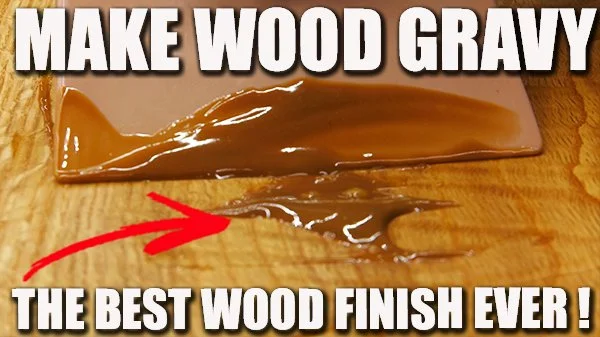
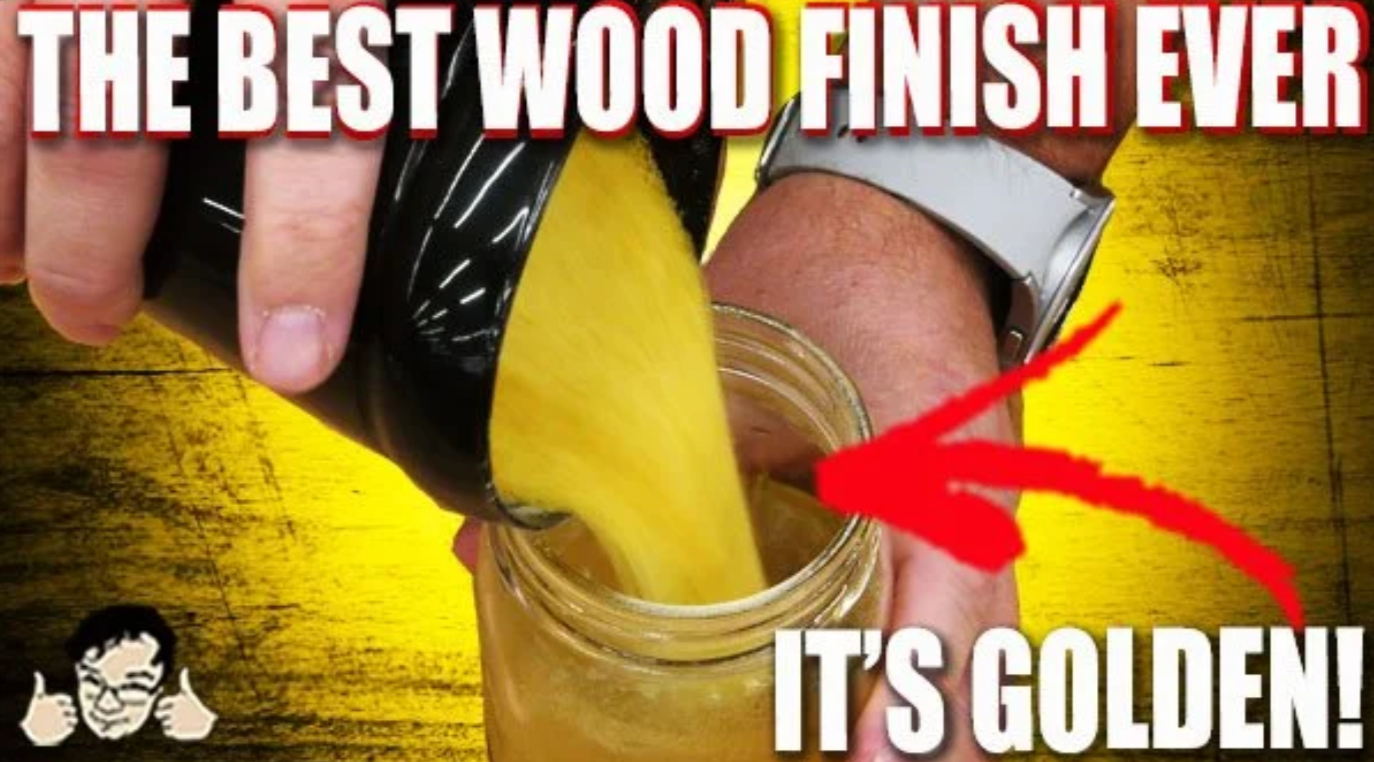
WOOD GRAVY: THE BEST WOOD FINISH EVER
Learn how to use “wood gravy” to fill open grain and create a glass-smooth finish on hardwoods. A simple wet-sanding technique that upgrades any woodworking project.
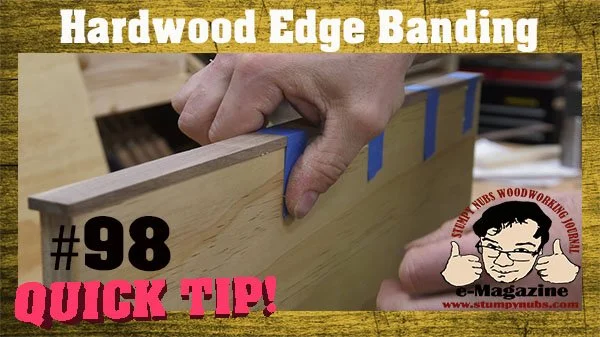
HOW TO MAKE HARDWOOD EDGE BANDING LOOK GOOD
Learn how to make your own hardwood edge banding for a perfect match and long-lasting durability. Tips for prep, glue-up, trimming, and tear-out-free results.