
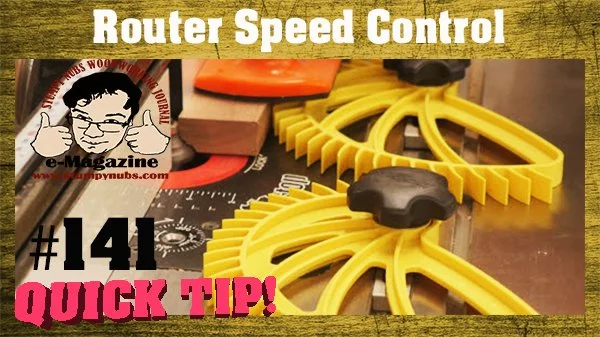
CONTROLLING YOUR ROUTER’S SPEED AND FEED RATE
Router speed isn’t just a convenience—it’s critical for safety, cut quality, and keeping large bits from moving at blistering speeds. Match your router’s RPM to bit size and adjust your feed rate to get cleaner cuts, less burning, and a much safer shop experience.
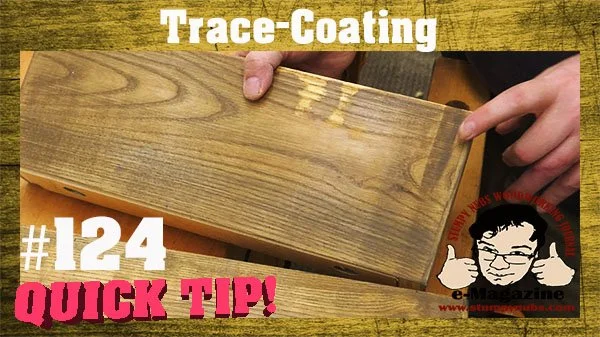
TRACE COATING - A WOOD FINISHING STEP YOU SHOULD DO!
Trace-coating is a simple trick that exposes glue spots, sanding swirls, and hidden flaws before your finish makes them permanent. By applying a thin, temporary coat of stain or colored water and sanding it back, you can fix problems early and end up with a cleaner, more professional-looking finish.
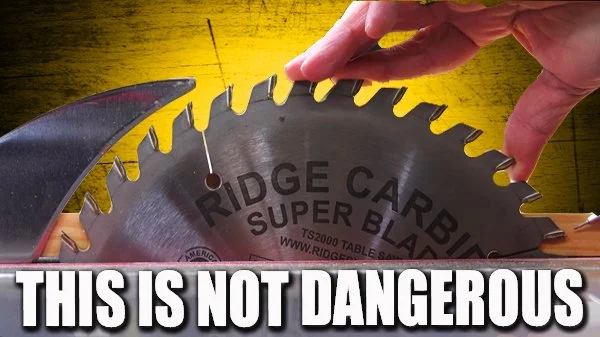
THIS SHOULD END THE SAW BLADE HEIGHT DEBATE
What is the best table saw blade height? Learn how blade height affects safety, kickback, tear-out, heat, and cut quality—and why rigid rules don’t work in real-world woodworking.
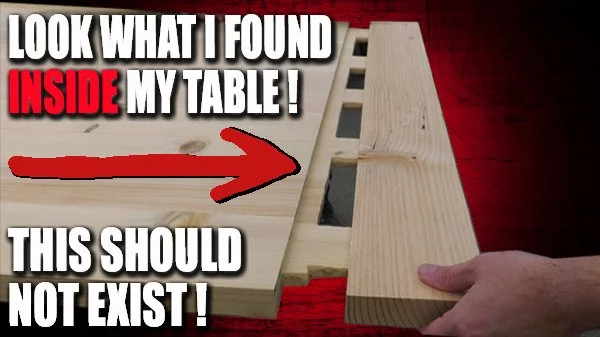
LEARN TO MAKE BREADBOARD ENDS
Learn how proper breadboard-end joinery prevents a tabletop from splitting despite crossed grain. This guide explains tongues, mortises, tenons, and pegged elongated holes that let wood move naturally—transforming inexpensive construction lumber into long-lasting, high-quality furniture.
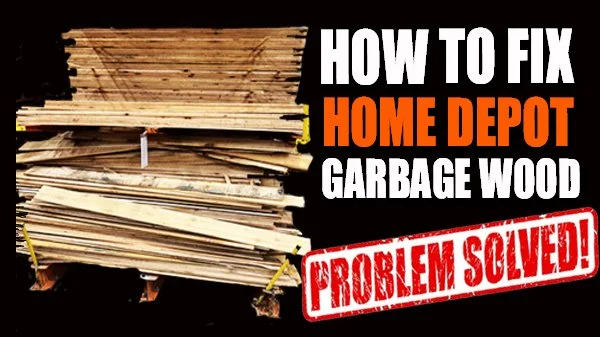
HOW TO GET A FLAT TABLE TOP FROM CONSTRUCTION LUMBER
Learn how to choose construction lumber that stays flat by identifying straight-grain, rift-sawn, and quarter-sawn sections hidden inside wide boards. This guide shows how smart wood selection—plus a simple cutting strategy—can turn inexpensive home-center pine into a long-lasting, stable tabletop.

WHY BOARDS CUP AWAY FROM THE CENTER OF A TREE
Discover a clever paper model from a 1936 issue of The Woodworker that visually explains how and why wood moves as it dries. Learn how flat-sawn, square, and quarter-sawn boards react to moisture changes so you can plan stronger, more reliable woodworking projects.
IS ANY WOOD FINISH REALLY FOOD-SAFE?
Most of the fear around “food-safe” wood finishes comes from marketing, not science. Almost every modern finish is completely food-safe once it has fully cured—so choose your finish based on durability and use, not the label.
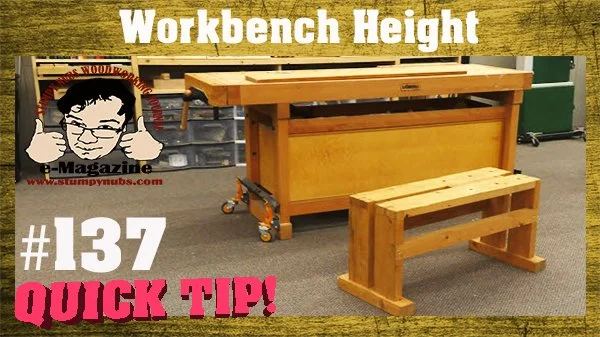
HOW TO CALCULATE THE PERFECT WORKBENCH HEIGHT
Learn how to find the ideal workbench height for hand tools, joinery, assembly, and more. Discover practical tips, testing methods, and solutions for any workspace.
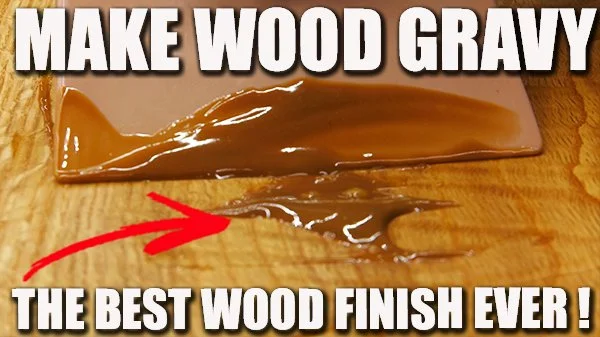
WOOD GRAVY: THE BEST WOOD FINISH EVER
Learn how to use “wood gravy” to fill open grain and create a glass-smooth finish on hardwoods. A simple wet-sanding technique that upgrades any woodworking project.
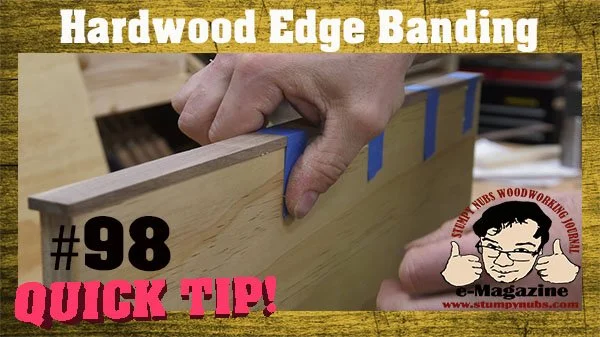
HOW TO MAKE HARDWOOD EDGE BANDING LOOK GOOD
Learn how to make your own hardwood edge banding for a perfect match and long-lasting durability. Tips for prep, glue-up, trimming, and tear-out-free results.
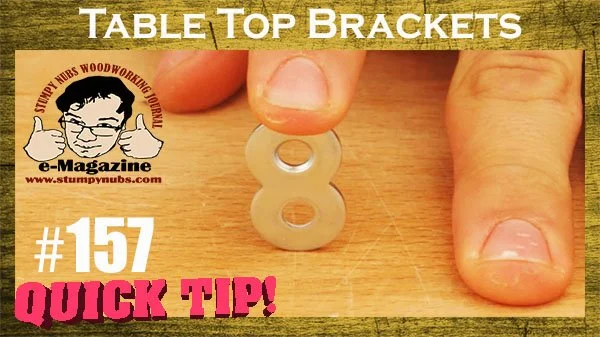
FIGURE-8 TABLE TOP BRACKETS THE RIGHT WAY
Learn how to correctly install figure-8 fasteners for table tops, prevent cracking from wood movement, and explore reliable alternatives like Z-clips and wooden brackets.
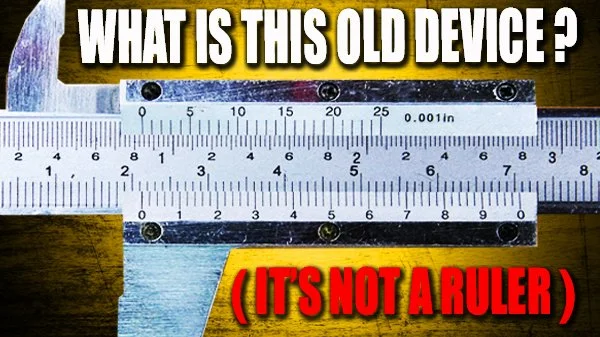
WHY YOU NEED A VERNIER SCALE
A vernier caliper may look intimidating, but once you shift from fractions to decimals, it becomes one of the most precise measuring tools in the shop. With a little practice, you’ll be able to read measurements down to thousandths of an inch or hundredths of a millimeter with total confidence.
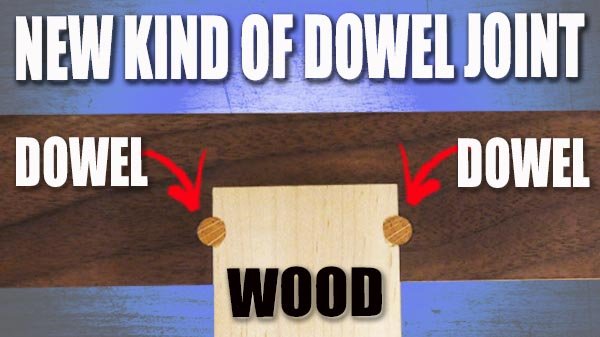
IS THIS DOWEL JOINT A GAME CHANGER?
Is the viral pinned dowel joint genius or gimmick? Learn the truth about its strength, looks, and whether it’s worth using beyond social media clickbait.
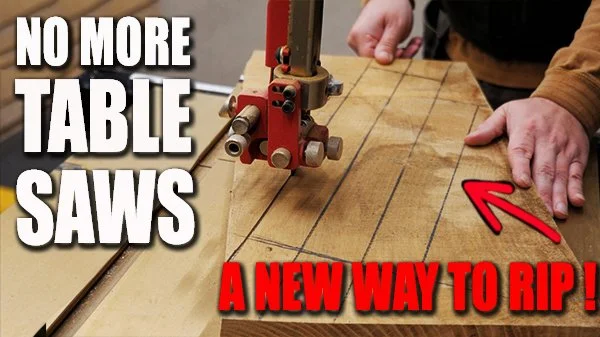
HOW TO RIP CUT WITH A BAND SAW
Learn why ripping on a band saw can be safer and smarter than using a table saw. Get pro tips on blades, setup, and cutting technique for clean results.
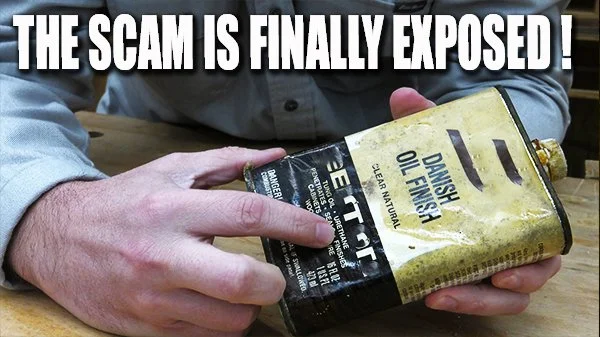
THE OIL FINISHES SCAM
Discover the truth behind tung and Danish oils—most are overpriced blends. Learn how to make your own pro-grade wood finish and save big.
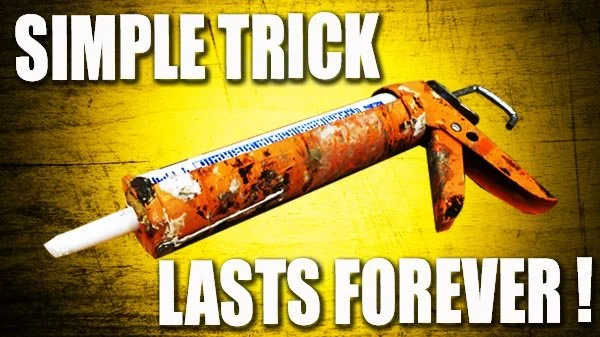
HOW TO MAKE CAULK & ADHESIVE LAST FOREVER
Stop wasting half-used tubes of caulk! These two airtight sealing tricks—a glove finger sleeve and a hot glue cap—keep your caulk or adhesive fresh for months, ready for the next job.
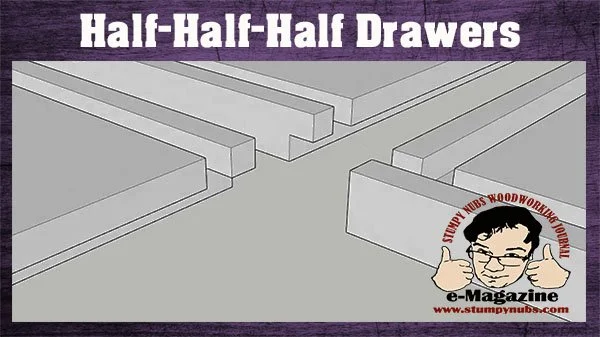
FAST AND EASY DRAWERS: THE HALF-HALF-HALF METHOD
Build strong, precise drawers fast with the half-half-half method. One table saw setup cuts all joints—no dovetails or complex setups needed.
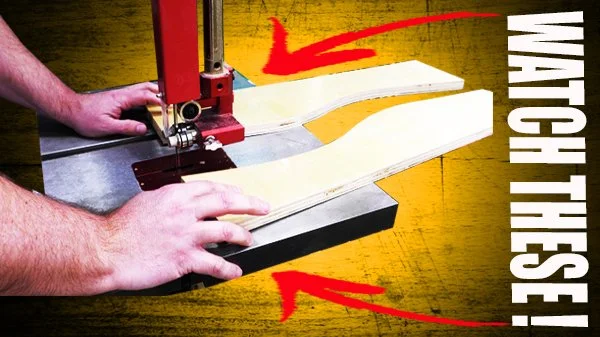
THE MISUNDERSTOOD BANDSAW FOOT BREAK
Learn why some bandsaws feature a mechanical foot brake and how it improves safety and convenience in the shop. Discover how a foot brake lets you stop the blade instantly and maintain full control while cutting.
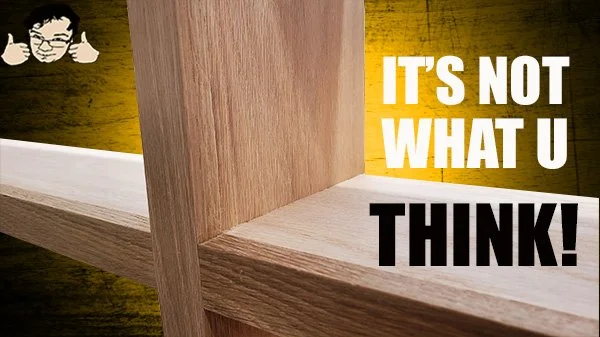
RED VS WHITE OAK - IMPORTANT DIFFERENCES
Red oak and white oak may look similar, but their differences can make or break your project. This guide cuts through the confusion with simple, woodworker-focused advice on how to tell them apart and when to use each.
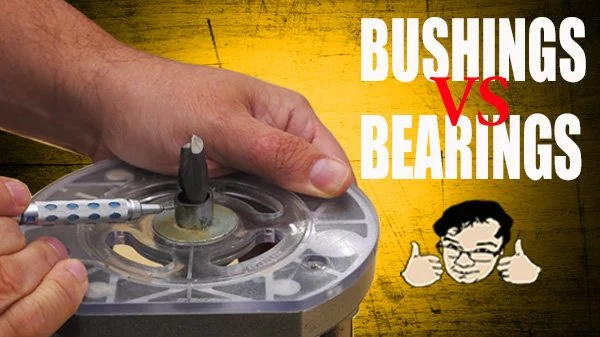
ROUTER BUSHINGS VS BEARINGS: WHAT YOU SHOULD KNOW
Router bushings and bearing-guided bits may seem similar, but they serve very different purposes. This guide explains when to use each one—so your mortises, templates, and flush trims come out accurate, clean, and safe.