
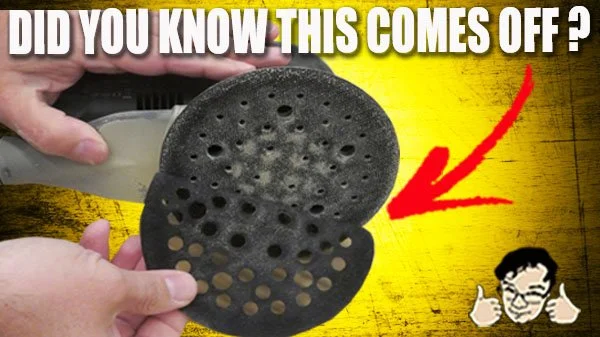
THESE TRICKS WILL CHANGE HOW YOU SAND WOOD
Understanding how to use your tools properly is critical to good woodworking. In the past, I’ve done deep dives into the essential skills of sanding, but this time I want to focus on some of the most useful tips I’ve employed over the years. These are the tips I believe can have the biggest impact on your next project.
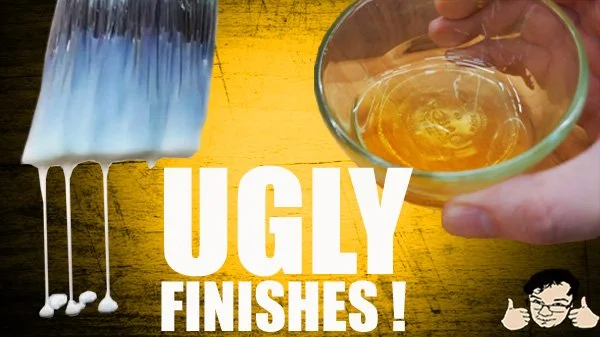
WILL CLEAR VARNISH CHANGE WOOD’S COLOR?
Some argue that wood finishes actually alter the appearance of natural wood by adding a yellow or amber hue. A piece of maple, for example, might be nearly white when bare, but depending on the finish you apply, it can turn yellow or even brown.
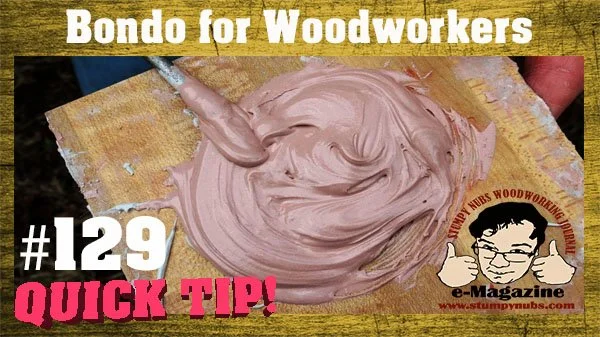
BONDO IS A LIFESAVER FOR WOODWORKERS!
Body filler isn’t just for hiding dents in old cars—it’s a versatile, affordable tool that belongs in every woodshop. From smoothing painted projects to repairing templates and jigs, this underrated material can save the day when nothing else will do.
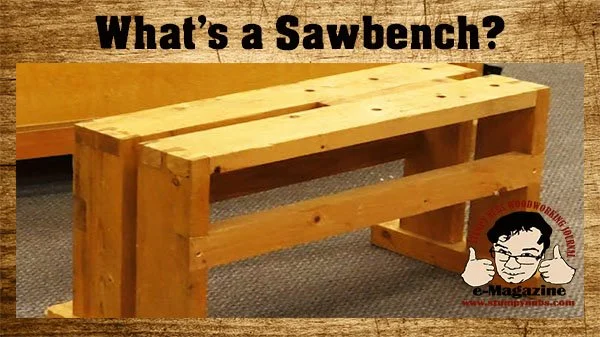
DO YOU NEED A SAWBENCH?
Every woodworker knows they need a workbench. We’ve made plenty of workbench-related tutorials—you can find those on Youtube. But do you also need a saw bench, or two? I think so—and that’s what this article is about.

BEST TIPS FOR PARALLEL CLAMP MAINTENANCE
Parallel clamps are amazing tools—but dried glue on the bars can make them slip, bind, and lose their grip. With the right cleaning methods and simple preventative steps, you can restore them to full strength and keep them working flawlessly for years.
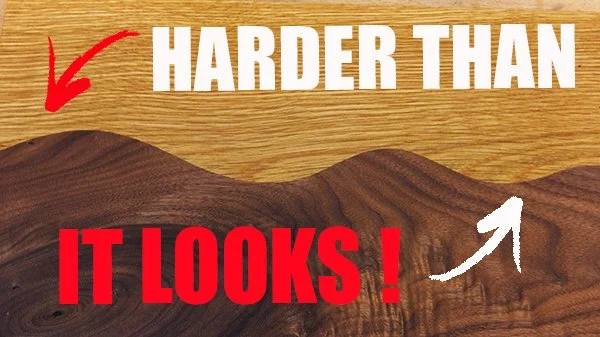
THE SECRET TO CUTTING COMPLEMENTARY CURVES
Several years ago, I made a video about creating complimentary curves with a router. A lot of people were very complimentary about that video. Others, however, were a little confused. So, I’ve decided to revisit the concept from that video, showing a similar method but with readily available bits. This is such an amazing technique with so many creative uses that you’re definitely going to want to know about it.
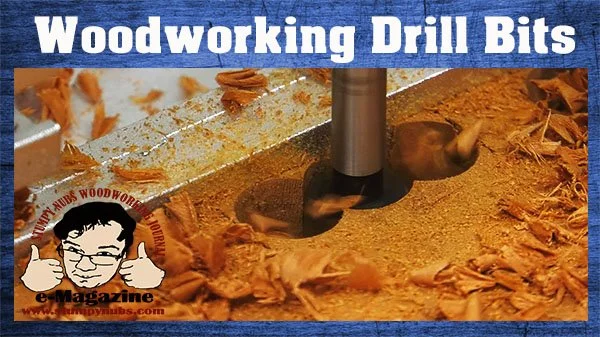
TIPS AND TRICKS FOR CHOOSING AND USING WOODWORKING DRILL BITS
In its simplest form, woodworking is a lot of cutting shapes and boring holes. To work at an acceptable level, you must cut and bore accurately. We've made plenty of cutting videos—but very few about boring. That changes today!
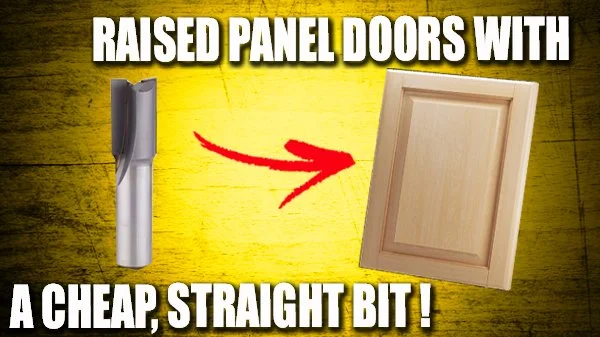
HOW TO MAKE RAISED PANELS WITHOUT EXPENSIVE TOOLS
Raised panels are a fundamental part of cabinets and furniture. If you're into woodworking, you'll eventually need to make them—and when you do, you’ll be bombarded with videos and articles that demonstrate all sorts of methods using tools you probably don’t have. In this article, I’m going to walk you through how to make raised panels quickly, easily, and safely with just a regular straight router bit.

ARE YOU CLEANING YOUR DUST COLLECTOR FILTER WRONG?
One question I see from time to time really perplexes me. Not because people ask it—that makes perfect sense. I actually find it confusing myself. What I don’t understand is why some filters come with internal agitators for cleaning. This just seems like a bad idea.
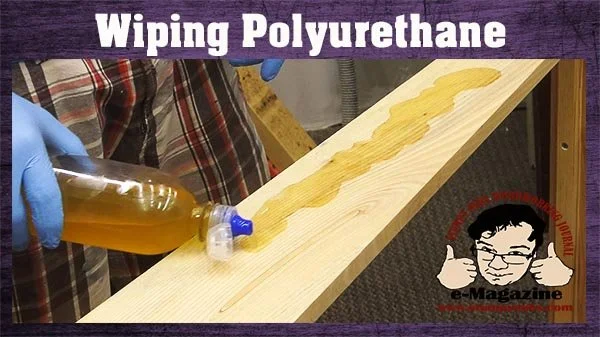
MAKE YOUR OWN WIPE-ON POLYURETHANE
A lot of new woodworkers buy wipe-on polyurethane because it promises to be easy to apply. And that’s true—it is easy to apply. But more experienced woodworkers rarely buy the pre-made stuff. Not because they don’t like wipe-on poly, but because they don’t see the point of paying extra for what is essentially regular polyurethane diluted with inexpensive mineral spirits. You can make it yourself for a lot less money.
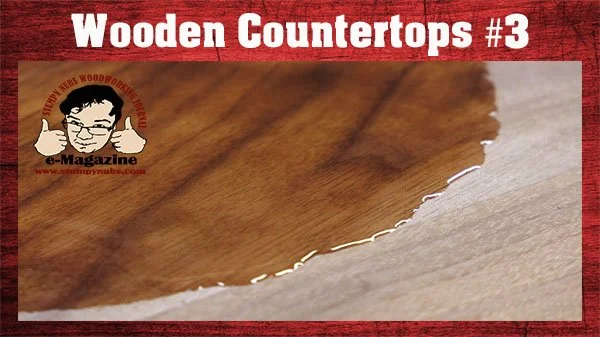
A FINISH DURABLE ENOUGH FOR A WOODEN COUNTERTOP
In this article, I’m tackling one of the most common questions viewers ask: How do you choose and apply a durable finish for wooden countertops?
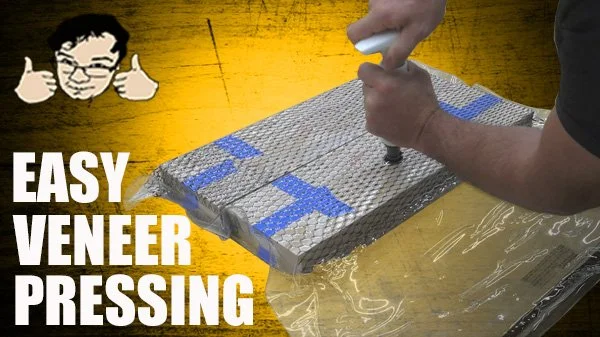
VENEERING BASICS FOR THE WEEKEND WOODWORKER
Veneering isn’t just for pros—it’s an approachable, game-changing technique that can elevate even small woodworking projects. From contact cement to vacuum pressing, this guide breaks down three practical methods to help you achieve clean, stable, professional-looking panels.
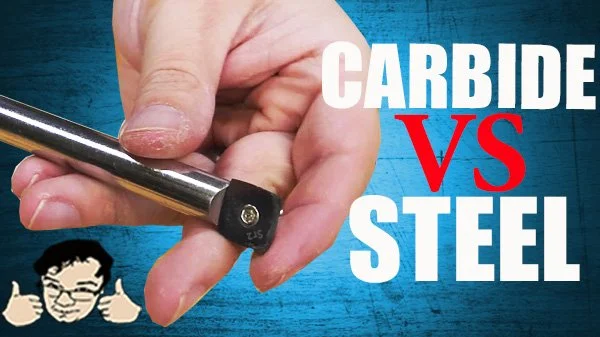
CHECK THIS OUT BEFORE BUYING TURNING TOOLS
Discover the real differences between carbide and traditional woodturning tools, including ease of use, performance, and overall cost. A clear, updated guide to help beginners and hobbyists choose the best turning tools for their goals.

HOW TO SAFELY AGE HINGES AND HARDWARE
Cheap hardware-store hinges can look and function like premium hardware with a few simple fixes and aging techniques. This guide shows how to tighten loose barrels and apply three different patina methods—from natural aging to fast chemical finishes—for a custom, vintage look.
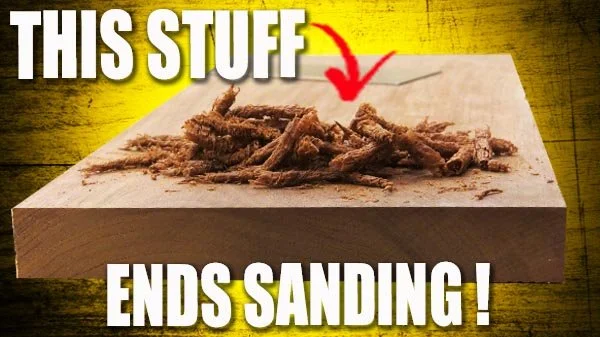
A FASTER METHOD FOR PREPPING AND SHARPENING CARD SCRAPERS
If card scrapers frustrate you, this quick sharpening method will change everything. In just two minutes, you’ll get a perfectly polished edge and a clean, consistent burr that produces real shavings instead of dust.
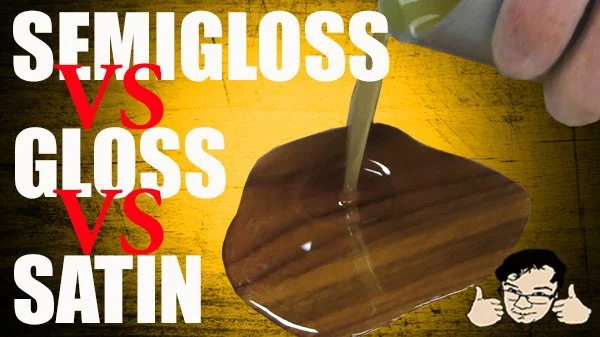
SEMIGLOSS VS GLOSS VS SATIN
Achieving a consistent satin or semi-gloss wood finish isn’t about the finish itself—it’s all in the flattening agents and how you mix and apply them. Properly stirring, layering, and even polishing satin finishes can give you predictable, beautiful results while maintaining clarity and control over sheen.
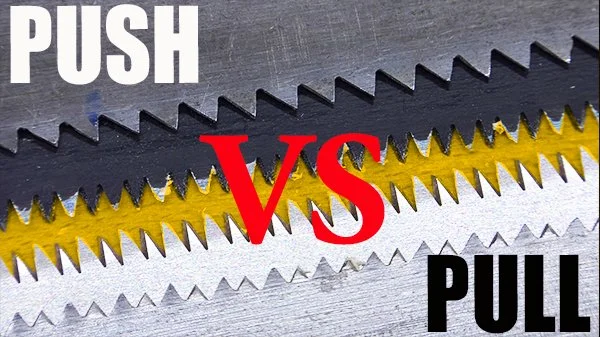
DO JAPANESE SAWS CUT FASTER THAN WESTERN SAWS?
Discover whether Western push saws or Japanese pull saws are faster in the workshop. This detailed comparison explores rip cuts, crosscuts, and joinery to help woodworkers choose the right saw for their style.

HOW PROS MAKE PINE LOOK GOOD WITH STAIN AND DYE
Learn how to prevent blotchy stains on pine and achieve a smooth, professional-looking finish. Discover expert tips using pre-stain conditioners, gel stains, and colored wax for flawless results.

EXTENDING THE LIFE OF GLUE, EPOXY, AND SUPERGLUE
Learn how long common woodworking glues last and how to store them for maximum shelf life. Get tips for PVA, polyurethane, epoxy, CA glue, hide glue, and spray adhesives to ensure strong, reliable joints every time.
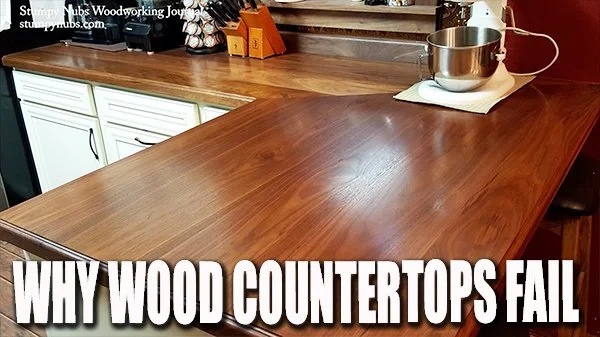
BUTT JOINT VS MITER JOINT: WHICH SHOULD YOU USE?
Learn how to choose and execute miter and butt joints for large wood panels like countertops and desktops. Discover tips for handling wood movement, alignment, and fastening to create seamless, durable corner joints.