
CHECK THIS OUT BEFORE BUYING TURNING TOOLS
Discover the real differences between carbide and traditional woodturning tools, including ease of use, performance, and overall cost. A clear, updated guide to help beginners and hobbyists choose the best turning tools for their goals.
A number of years ago, I made a wooden mallet while discussing the pros and cons of carbide woodturning tools. That was a great video, and I stand by everything I said. But the world has changed since then. There are new carbide options, and high-tech steel alloys have become more common—and less expensive.
I think it's time to revisit our debate over which type of tool is best, particularly for someone who is just getting started in woodturning. We'll focus on three major factors: ease of use, performance, and expense. You may be surprised by what I have to say.
Ease of Use
If you're a beginner turning for the first time, there’s little doubt you’ll find carbide tools easier to work with at the start.
The cutters come in a few basic profiles:
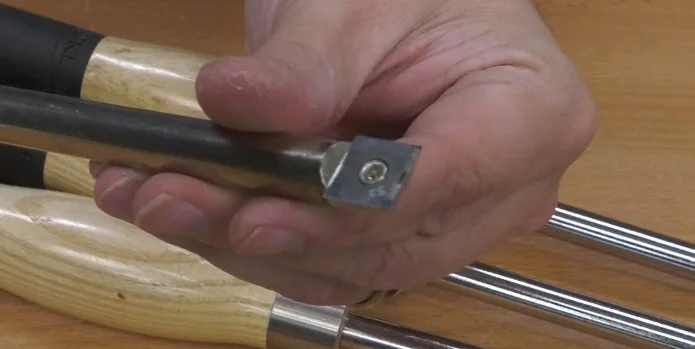
Square – for fast stock removal and crisp shoulders
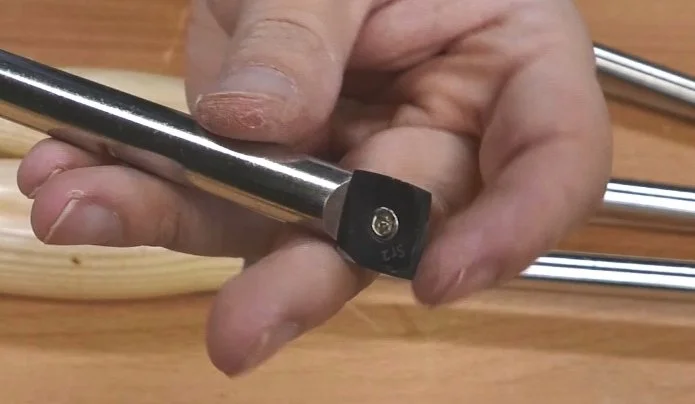
Rounded corners – for finer cutting and blending without digging in
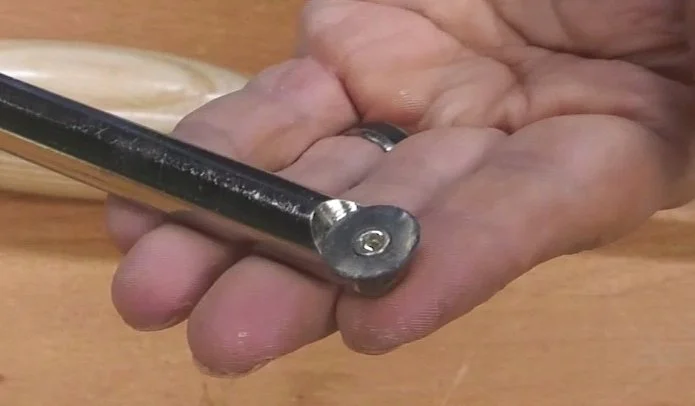
Round – for forming coves and curves
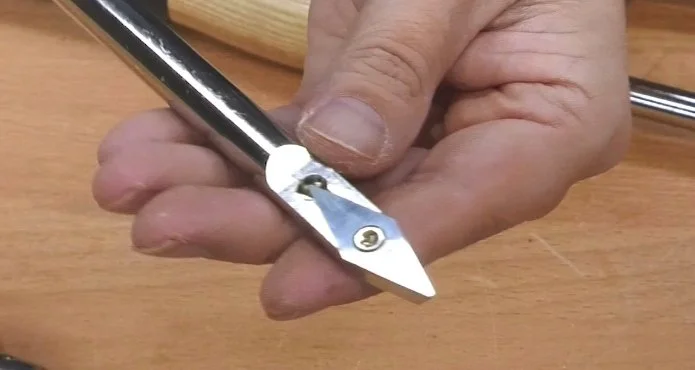
Diamond-shaped – for detailed work
There are, of course, variations of these, but pretty much all carbide tools are based on these basic shapes. So it's easy for a beginner to wrap their head around what’s available.
Once you choose your tool, you simply hold it parallel to the floor and push it into the spinning blank. It removes stock quickly, and you’re very unlikely to get a significant catch.
Traditional beveled tools, however, require more finesse.
They come in four primary types:
Scrapers
Gouges
Skews
Parting tools
Each requires a different technique. While a scraper can be held parallel to the floor like a carbide tool (because most carbide tools are essentially scrapers), gouges and skews perform differently depending on how you hold them. You must learn how to ride the bevel, support the cut, and understand the difference between roughing and shearing. There's a lot more to learn.
Mistakes can lead to catches where the tool digs into the workpiece. While injuries from violent catches are rare, the greater danger is ruining your work.
Traditional tools also require sharpening—something carbide turners can all but ignore.
A beginner can master all of this, but traditional tools do require more time, practice, and patience to use effectively. Carbide tools? Most people can get the hang of them in an afternoon.
So ask yourself: Do you want to just make round things on day one, or are you looking to develop skills and enjoy the satisfaction that comes with learning a craft? Your answer might guide your choice.
Performance
The reason carbide tools are easy to use is because they’re mostly scrapers. (There are some special cutters with hooked edges that shear more than scrape, but these are the exception.)
Scraping tends to tear at wood fibers—especially end grain. And when you turn coves, beads, or curves, you expose a lot of end grain. That’s why carbide tools often leave a surface that requires a lot of sanding.
Traditional tools, on the other hand, slice the wood fibers cleanly. Instead of dust and chips, you get ribbons and shavings. The result is often a smoother, more attractive surface.
In some competitions, judges will spot and penalize a scraped or overly sanded surface. But you may never face that kind of scrutiny. Your friends probably won’t notice if you used a whole pack of sandpaper to smooth out your project.
Even if you use traditional tools, it’ll take time before your skill level reduces your sanding needs. Again, it comes down to your personal goals:
Is the finished project your end goal?
Or is the process and personal growth what excites you?
Expense
Generally speaking, carbide turning tools are more expensive than traditional tools. And the replacement cutters are an ongoing cost. You’ll also use more sandpaper with carbide tools.
HSS tools (high-speed steel) can be significantly cheaper—but only if you already have a sharpening system. That might mean a Tormek or a slow-speed grinder with a good jig system. Cheap HSS tools need more frequent sharpening, while higher-quality ones last longer.
And keep in mind, not all carbide or HSS tools are created equal. Some carbide cutters are softer or wear out faster. Some HSS tools use advanced alloys like M2 or M42, which last longer but cost more and may require CBN or diamond wheels to sharpen.
The takeaway? Neither option is "cheap." You’ll likely spend more on tools and accessories than you did on your lathe. Do your research. Spend wisely. The cheapest option is rarely the best option.
Bottom Line
If you just want to say, “I made this wooden pen or bowl,” and you’re not too concerned about the process, carbide tools are probably the way to go. They're easy to use, low-maintenance, and more forgiving.
But if you’re someone who enjoys the process—someone who finds satisfaction in learning new skills and overcoming challenges—traditional tools might be a better fit. You may struggle at first, but the long-term rewards can be greater.
Either way, there’s no wrong choice—only the choice that’s right for you.
Happy woodworking!
This post may contain affiliate links. If you make a purchase, we may receive a small commission.
Need some cool tools for your shop? Browse my Amazon Storefront for inspiration.
