

HOW TO SAFELY AGE HINGES AND HARDWARE
Cheap hardware-store hinges can look and function like premium hardware with a few simple fixes and aging techniques. This guide shows how to tighten loose barrels and apply three different patina methods—from natural aging to fast chemical finishes—for a custom, vintage look.
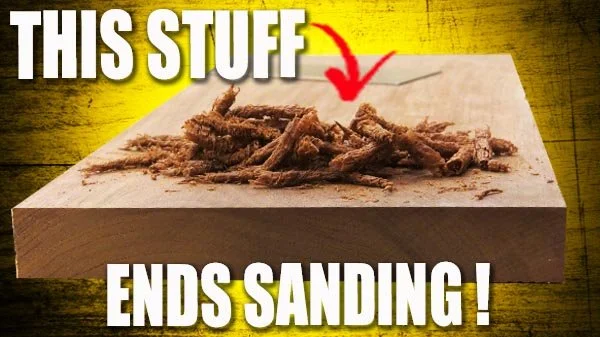
A FASTER METHOD FOR PREPPING AND SHARPENING CARD SCRAPERS
If card scrapers frustrate you, this quick sharpening method will change everything. In just two minutes, you’ll get a perfectly polished edge and a clean, consistent burr that produces real shavings instead of dust.
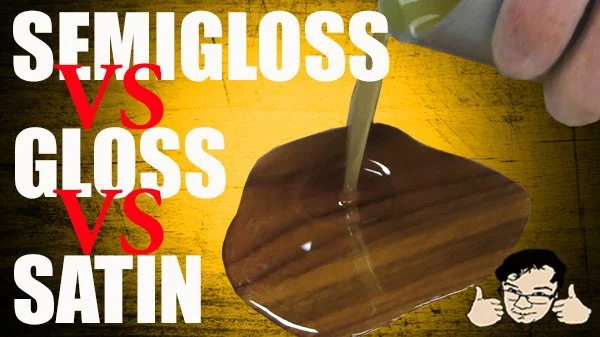
SEMIGLOSS VS GLOSS VS SATIN
Achieving a consistent satin or semi-gloss wood finish isn’t about the finish itself—it’s all in the flattening agents and how you mix and apply them. Properly stirring, layering, and even polishing satin finishes can give you predictable, beautiful results while maintaining clarity and control over sheen.
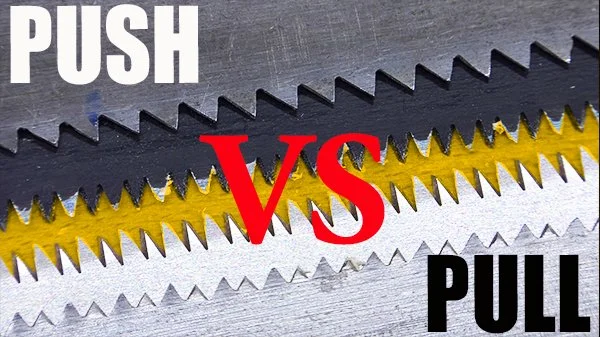
DO JAPANESE SAWS CUT FASTER THAN WESTERN SAWS?
Discover whether Western push saws or Japanese pull saws are faster in the workshop. This detailed comparison explores rip cuts, crosscuts, and joinery to help woodworkers choose the right saw for their style.
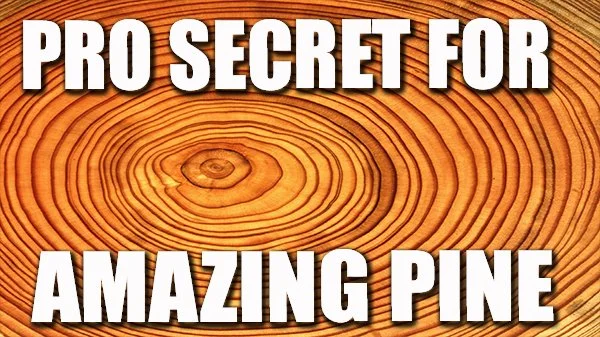
HOW PROS MAKE PINE LOOK GOOD WITH STAIN AND DYE
Learn how to prevent blotchy stains on pine and achieve a smooth, professional-looking finish. Discover expert tips using pre-stain conditioners, gel stains, and colored wax for flawless results.

EXTENDING THE LIFE OF GLUE, EPOXY, AND SUPERGLUE
Learn how long common woodworking glues last and how to store them for maximum shelf life. Get tips for PVA, polyurethane, epoxy, CA glue, hide glue, and spray adhesives to ensure strong, reliable joints every time.
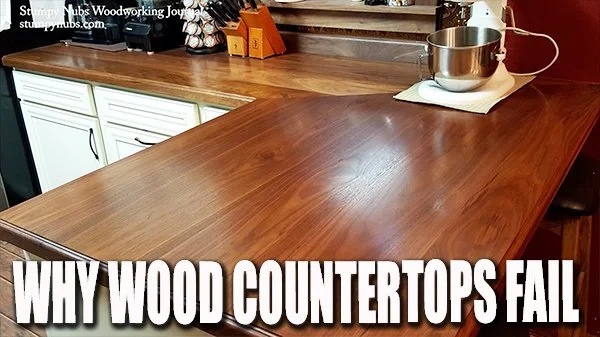
BUTT JOINT VS MITER JOINT: WHICH SHOULD YOU USE?
Learn how to choose and execute miter and butt joints for large wood panels like countertops and desktops. Discover tips for handling wood movement, alignment, and fastening to create seamless, durable corner joints.
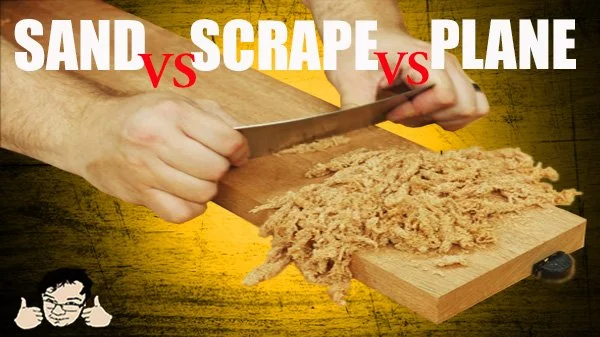
IS IT BETTER TO SAND, SCRAPE, OR PLANE WOOD?
Sanding, scraping, and planing each have strengths and trade-offs when preparing wood: sanding is the most forgiving and convenient, scraping is slightly faster but physically demanding, and planing is fast and effortless—if the wood cooperates. Choosing the right method depends on your skill level, project needs, and how much you prioritize speed, effort, and control.

DO YOU NEED WOOD GRAIN FILLER BEFORE YOU FINISH?
Grain filler smooths out open-pore woods like oak, ash, and walnut to create a mirror-like surface before finishing, making your projects look more polished and professional. Whether using water-based fillers, pastes, or oil slurries, proper application and multiple coats ensure even pores and better light reflection.
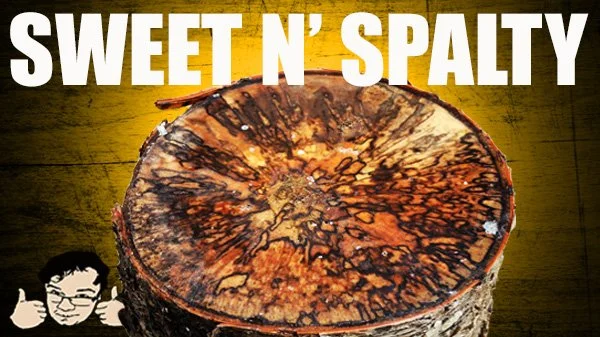
IS SPALTED WOOD DANGEROUS?
Spalted maple is beautifully patterned wood created by fungal activity, prized for its striking black lines and unique coloration, but it can be soft, unstable, and tricky to work with. With careful selection and attention to grain, sanding, and cutting, you can use it to create stunning projects like dovetailed drawers and decorative panels.
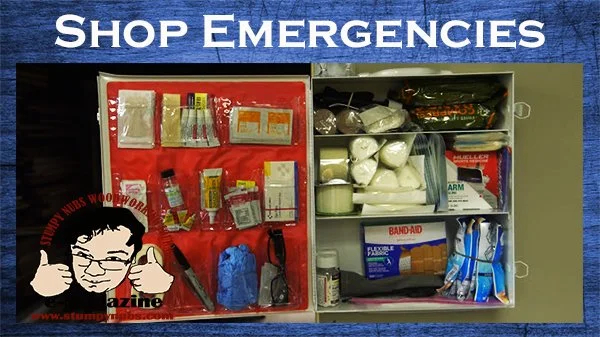
THE FIRST AID KIT WOODWORKERS NEED
Learn how to prepare your woodworking shop for emergencies with a comprehensive first aid kit and practical safety plan. Tips for treating cuts, burns, and severe injuries help keep you and others safe while working with power tools.
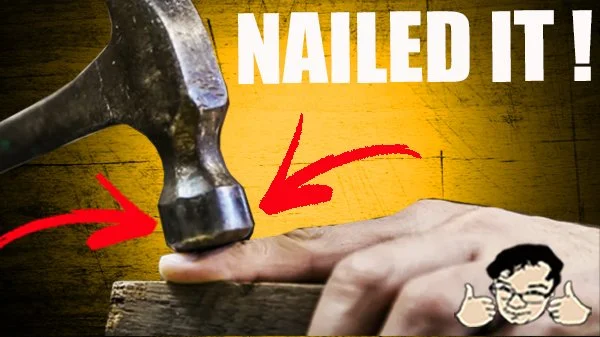
HAMMERS AND MALLETS WOODWORKERS NEED TO KNOW ABOUT
Choosing the right hammer or mallet for the task can make woodworking safer, more precise, and more efficient. From cross-peen and ball-peen hammers to dead-blow, lump, and brass mallets, each tool has unique uses that every woodworker should understand.
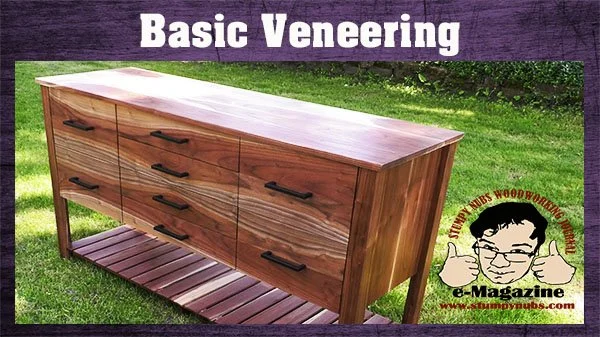
HOW TO UTILIZE UGLY WOOD - VENEERING BASICS
With clever techniques like book-matching, veneering, and using plywood backers, even flawed or sapwood-heavy lumber can be transformed into stunning furniture panels. This article shows practical tips for making the most of every board, creating balanced and eye-catching designs from pieces many woodworkers might discard.
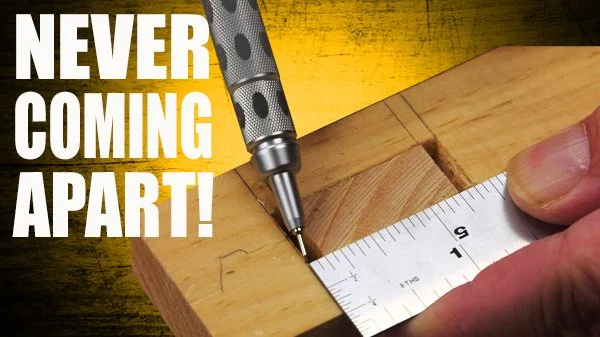
HOW A LITTLE WEDGE MAKES THE STRONGEST JOINT EVER!
The wedged mortise and tenon is one of the strongest mechanical joints in woodworking, combining resistance to shear and tensile forces with a visually striking design. This article walks through every step—from cutting the mortise and shaping the wedges to fitting and gluing the tenon—offering practical tips to avoid common mistakes and achieve a perfect joint.
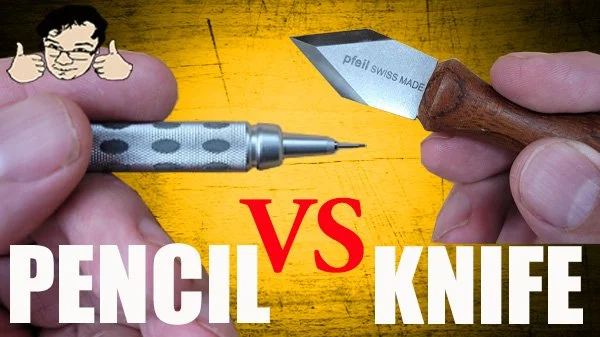
WHEN A KNIFE IS BETTER THAN A PENCIL
Choosing the right marking tool can make a huge difference in woodworking accuracy and efficiency. This article explains when to use pencils, mechanical pencils, marking knives, and marking gauges, with practical tips for selecting the proper tool for rough layout, precise joinery, and everything in between.
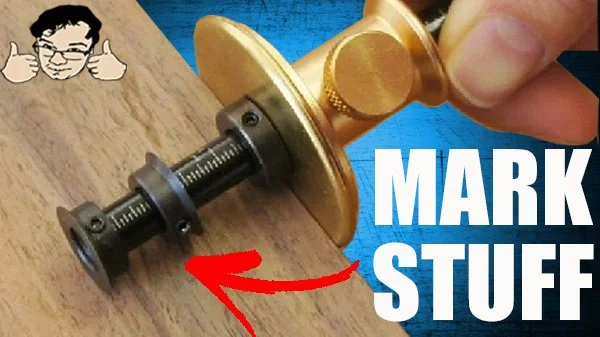
DO YOU NEED A WOOD MARKING GAUGE?
A marking gauge is a timeless woodworking tool that provides precision and repeatability that pencils and rulers alone cannot. This article explores different types of gauges—pin, knife, and disc-style—explaining their uses, proper technique, and applications for joinery, layout, and surface marking.
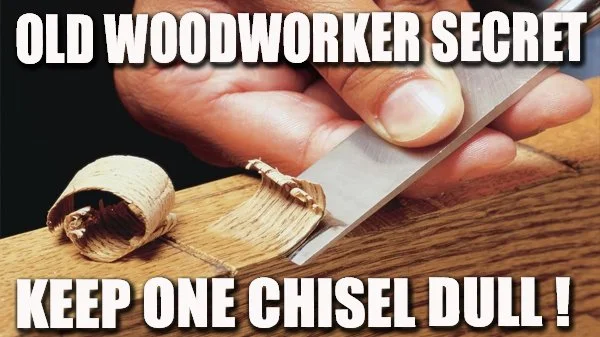
WHY SHARP ISN’T ALWAYS BEST - DULL CHISELS
While sharp chisels are essential for most woodworking tasks, a deliberately blunt chisel can be a surprisingly useful tool for controlled paring and shaping, especially across the grain or on end grain. This article explains how to create a crisp blunt edge, when to use it, and the advantages it offers over ultra-sharp tools in specific scenarios.
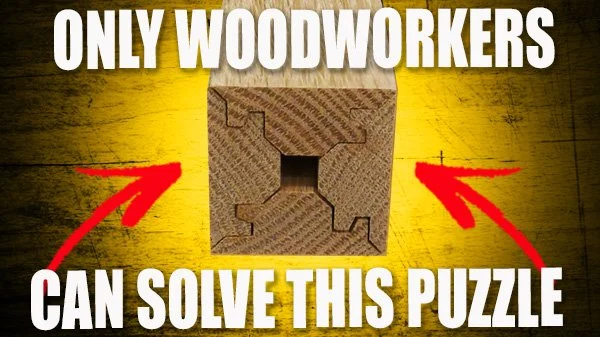
HOW LOCK MITERS CAN MAKE PROJECTS CHEAPER AND BETTER
Learn how to build thick, solid-looking furniture legs from thinner stock using lock-miter joints. This guide covers grain control, safer cutting techniques, and precise assembly for professional-quality results.

LOOSE-TENON JOINERY WITHOUT A FESTOOL DOMINO
Loose tenons simplify traditional mortise and tenon joinery, allowing faster, more repeatable joints without sacrificing strength. This article walks you through creating a custom mortise jig, cutting precise mortises with a router, and sizing loose tenons for a flawless fit.

DO BEVEL ANGLES MATTER?
Do bevel angles on chisels and hand planes really matter? Learn how bevel angles affect cutting, why most woodworkers overthink them, and which simple angles work best for planes and chisels in real-world woodworking.