
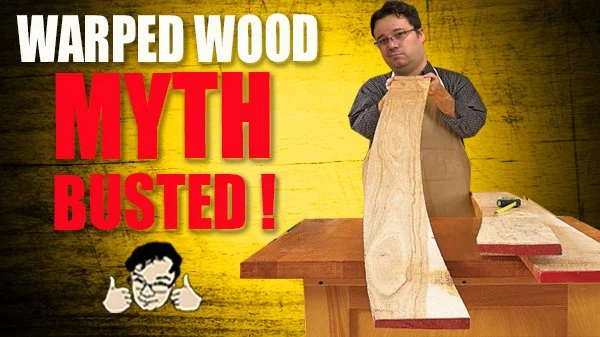
HOW TO STOP WOOD PANELS FROM WARPING
Do alternating growth rings really prevent table tops from warping? Learn why this common woodworking myth persists, how wood actually moves, and how proper joinery—not board orientation—is the real key to flat, stable panels.
IS JAPAN SLOWLY KILLING WESTERN-STYLE SAWS?
But there’s still a great deal of confusion about how these saws work, the differences between the types available, and whether a Japanese saw is right for you. Most videos and articles focus on the benefits of these tools while largely ignoring the downsides. In this article, I want to present a clear, concise guide to the pros and cons of the three most common types of Japanese saws, so you can make an informed decision about which to try—if any at all.
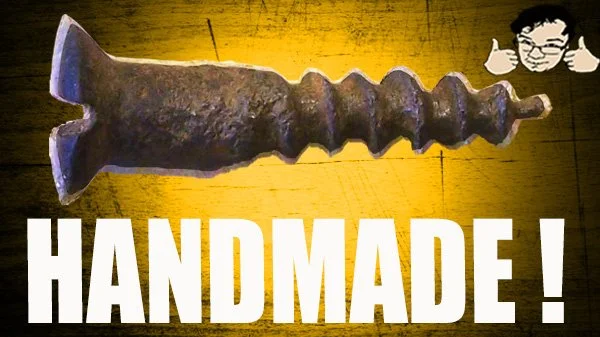
THE HISTORY OF WOOD SCREWS
Explore the history of screws and nails, their strengths and weaknesses, and why nails are still often the best choice for woodworking and construction projects.
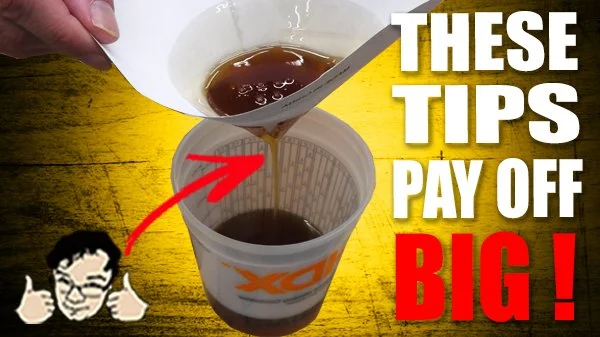
READ THIS BEFORE USING OIL-BASED POLY FINISHES!
Oil-based polyurethane is a durable, versatile finish that can give your woodworking projects a beautiful, long-lasting surface if applied correctly. This guide walks through surface prep, brushing versus wiping techniques, thinning, sanding between coats, and tips for a flawless, glass-smooth finish.
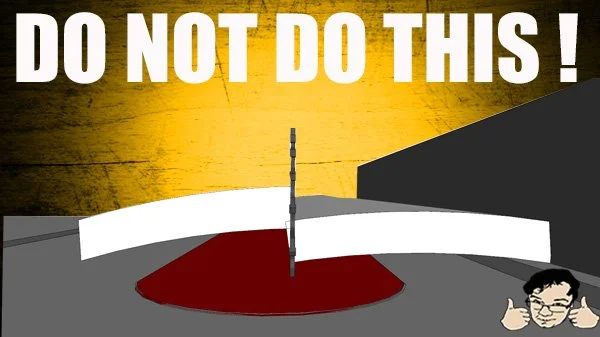
ROUGH SAWN BOARDS AND THE TABLE SAW
Cutting rough or warped boards on a table saw is risky due to bows, twists, cups, and crooks that can cause kickback or binding. This guide explains the dangers and offers safer alternatives, including band saws, hand planes, jigs, and proper use of splitters or riving knives.

HOW TO GROUND YOUR DUST COLLECTION
So in this article, I will teach you how to ground a PVC dust collection system properly, including answering some of the most common questions people have—such as how to address your flex hose, whether to run wire inside or outside the ductwork, and how to get that charge from the pipes and hoses into the physical ground.
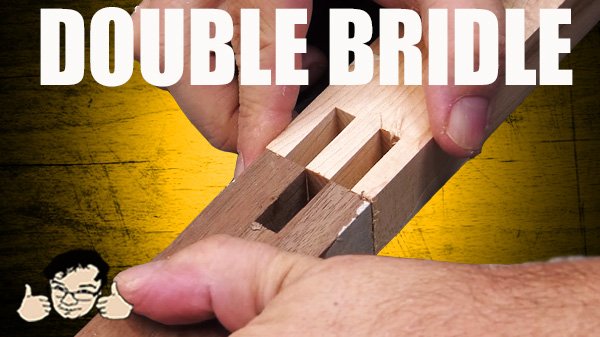
JOINERY LESSONS FROM THE DOUBLE BRIDLE JOINT
The double bridle joint is a great way to practice precise, repeatable joinery on the table saw, and it teaches you how to sneak up on a perfect fit instead of relying solely on pencil lines. With a simple tenon jig and the right blade, you can create a strong, attractive joint that’s customizable and clean.
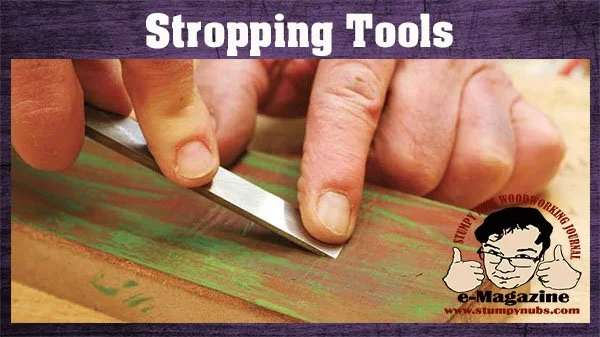
ADDRESSING THE STROPPING MYTH
Learn the truth about stropping woodworking tools—how leather, light abrasives, and proper technique can keep chisels and plane irons razor-sharp without expensive sharpening stones. This guide breaks down compounds, materials, and methods so you can sharpen faster, cheaper, and with better results.
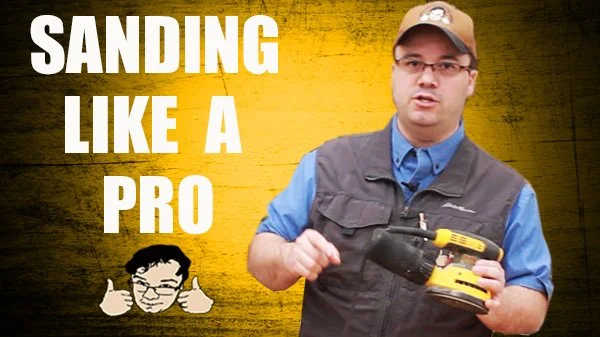
SAND LIKE A PRO
Sanding may be tedious, but mastering it is the difference between a flawless finish and a disappointing project. With the right grits, techniques, and tools, you can get perfectly smooth surfaces every time—without the swirls, pigtails, or frustration.
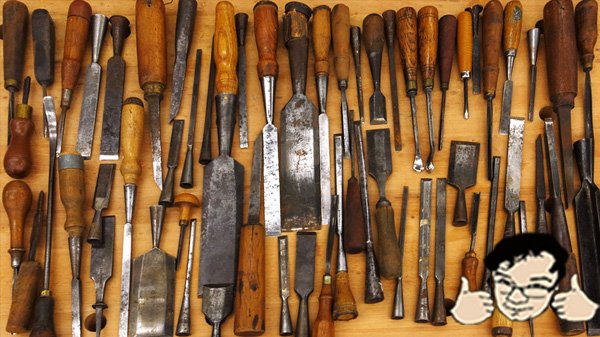
WHY A LOT OF TOOL STEEL IS BAD
Discover whether antique chisels truly outperform modern tools as we explore the evolution of western tool steel—from bloomeries and blister steel to crucible steel and today’s advanced alloys. Learn why modern chisels often deliver better performance, sharper edges, and greater reliability than vintage favorites.
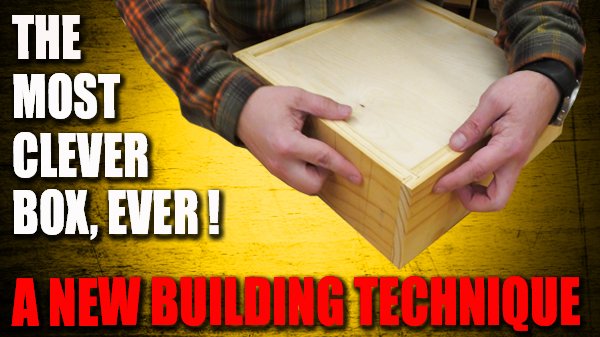
A CLEVER WAY TO MAKE BOXES, CABINETS, AND DRAWERS
The locking rabbet joint with a hidden groove creates drawers and boxes that are self-aligning, strong, and almost as durable as dovetails—without complicated setups. Using just a router and a few clever fence adjustments, you can make professional-quality cabinetry quickly and easily.

WHY I DON’T USE GORILLA GLUE
Learn which woodworking glue to use and why with this complete guide to PVA, hide glue, epoxy, CA glue, and specialty adhesives. Discover how each glue performs, when to use it, and how to avoid common bonding mistakes in your projects.

THE ONLY 3 BANDSAW BLADES YOU NEED
Learn how to choose the right bandsaw blade with this simplified guide covering blade width, steel types, tooth geometry, and the best all-purpose recommendations for woodworking. Cut cleaner, straighter, and smoother with the right blade for your projects.

HOW TO READ A TAPE MEASURE WITHOUT LOOKING LIKE AN IDIOT
Learn how to read a measuring tape the right way, from understanding the moving hook to identifying fractions by line length. This clear, beginner-friendly guide teaches the essential measuring skills every woodworker and DIYer should know.

WORLD’S STRONGEST CORNER JOINT!
Discover how to create the Triple-Castle Joint—an elegant, ultra-strong woodworking joint made from three identical pieces and four simple cuts. This step-by-step guide covers layout, hand-sawing tips, assembly, and finishing for a stunning joinery project.
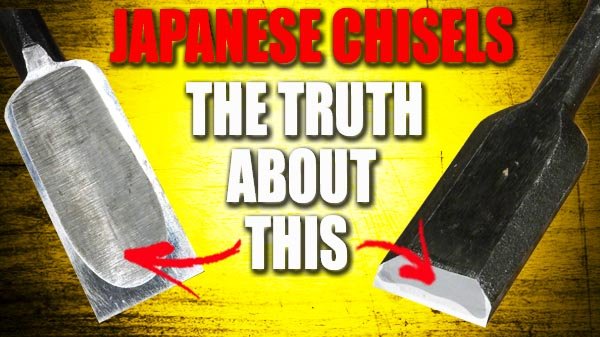
THE FORGOTTEN HISTORY BEHIND JAPANESE CHISELS
Discover the history, technology, and craftsmanship behind Japanese woodworking chisels—from samurai sword origins to laminated steel, hollow backs, and traditional handles. Learn what makes these tools unique and whether they deserve a place in your workshop.

HOW TO BEND 3/4” PLYWOOD
Learn how to kerf-bend plywood to create strong, smooth arches for cabinetry and built-ins. This guide covers kerf spacing, grain orientation, bending forms, glue-ups, smoothing techniques, and expert tips for achieving clean, professional curved woodwork.

THE HISTORY OF SANDPAPER
Discover the real history of sanding, from ancient Egyptian abrasives to sharkskin and early sandpaper used by master woodworkers. Learn why sanding is a time-honored technique—and why traditional craftsmen would have loved today’s premium sandpapers.

THE TRUTH ABOUT HOLLOW GRINDS: DO THEY REALLY WEAKEN YOUR EDGE?
Discover the truth about hollow grinding and edge durability. Learn why grinding wheel sharpening doesn’t weaken your tools and how simple technique keeps edges strong.

HOW SIMPLE WOOD SCREWS ARE NO LONGER THE SAME
Discover how drywall, Spax, and GRK screws perform in hardwood projects. Learn which screw features—serrated threads, fluted tips, and head geometry—improve grip and prevent splitting for stronger, cleaner joints.