
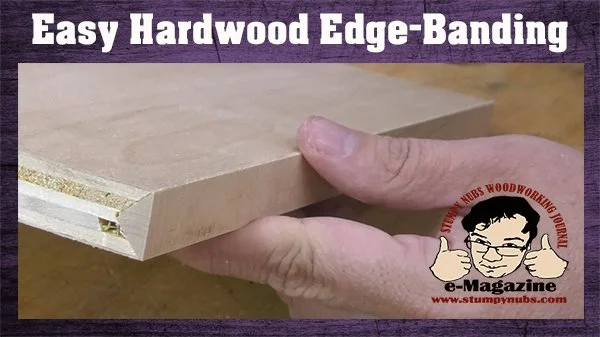
MAKE PLYWOOD LOOK LIKE HARDWOOD
Plywood is stable and affordable, but its exposed edges can ruin the look of a project. This method uses a simple V-groove router bit to add solid hardwood edge banding that’s tougher, cleaner, and more durable than iron-on veneer.
STOP BURNING WOOD WITH A TABLE SAW
Learn what causes scorch and burn marks when cutting wood on a table saw and how to prevent them. Discover how blade cleanliness, sharpness, feed rate, alignment, and wood choice affect burning.
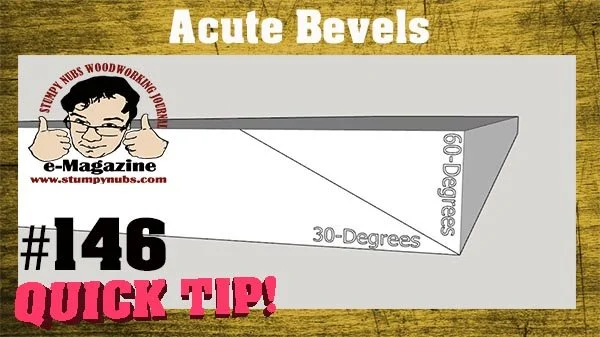
HOW TO CUT ACUTE BEVELS ON THE TABLE SAW
Learn how to cut acute bevel angles, such as 30 degrees, on a table saw using simple math and a safe support technique—no specialty jigs required.
HOW TO GET A FLAT TABLE TOP FROM CONSTRUCTION LUMBER
Learn how to choose construction lumber that stays flat by identifying straight-grain, rift-sawn, and quarter-sawn sections hidden inside wide boards. This guide shows how smart wood selection—plus a simple cutting strategy—can turn inexpensive home-center pine into a long-lasting, stable tabletop.
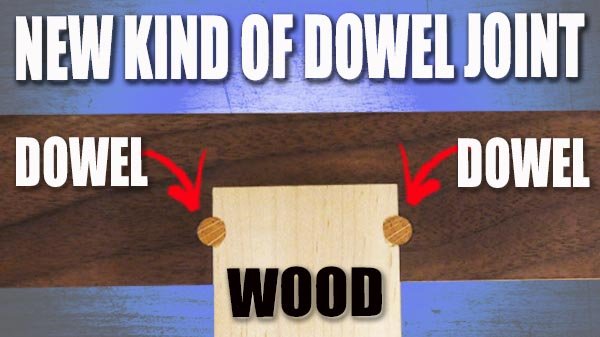
IS THIS DOWEL JOINT A GAME CHANGER?
Is the viral pinned dowel joint genius or gimmick? Learn the truth about its strength, looks, and whether it’s worth using beyond social media clickbait.
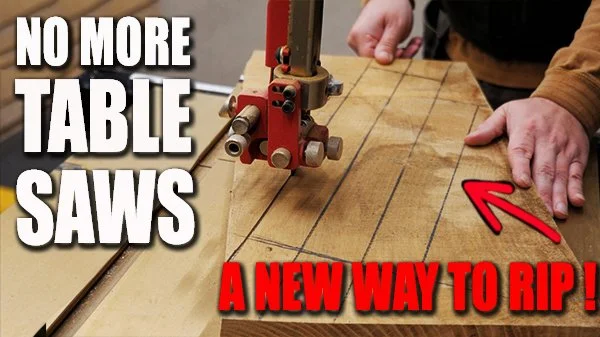
HOW TO RIP CUT WITH A BAND SAW
Learn why ripping on a band saw can be safer and smarter than using a table saw. Get pro tips on blades, setup, and cutting technique for clean results.
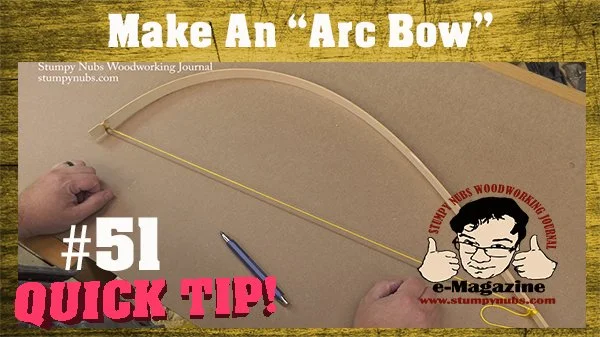
A SIMPLE TRICK FOR MAKING ARCS EASIER
Learn how to make and use bow arcs for woodworking. These simple tools, crafted from hardwood and string, allow you to trace symmetrical and asymmetrical curves effortlessly, improving accuracy and efficiency in your projects.
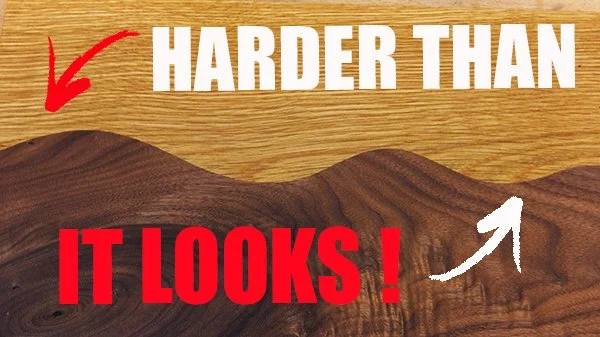
THE SECRET TO CUTTING COMPLEMENTARY CURVES
Several years ago, I made a video about creating complimentary curves with a router. A lot of people were very complimentary about that video. Others, however, were a little confused. So, I’ve decided to revisit the concept from that video, showing a similar method but with readily available bits. This is such an amazing technique with so many creative uses that you’re definitely going to want to know about it.

HOW TO SAFELY AGE HINGES AND HARDWARE
Cheap hardware-store hinges can look and function like premium hardware with a few simple fixes and aging techniques. This guide shows how to tighten loose barrels and apply three different patina methods—from natural aging to fast chemical finishes—for a custom, vintage look.
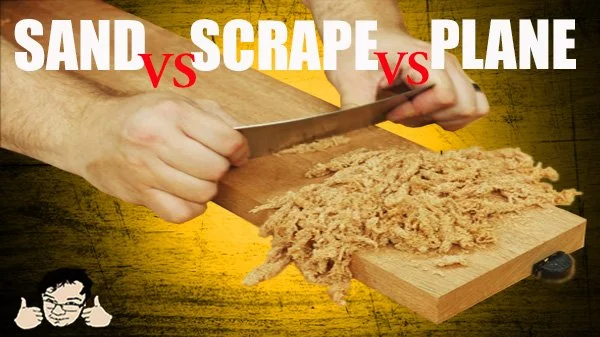
IS IT BETTER TO SAND, SCRAPE, OR PLANE WOOD?
Sanding, scraping, and planing each have strengths and trade-offs when preparing wood: sanding is the most forgiving and convenient, scraping is slightly faster but physically demanding, and planing is fast and effortless—if the wood cooperates. Choosing the right method depends on your skill level, project needs, and how much you prioritize speed, effort, and control.
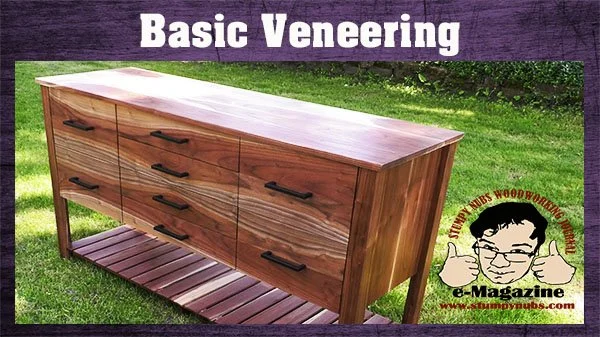
HOW TO UTILIZE UGLY WOOD - VENEERING BASICS
With clever techniques like book-matching, veneering, and using plywood backers, even flawed or sapwood-heavy lumber can be transformed into stunning furniture panels. This article shows practical tips for making the most of every board, creating balanced and eye-catching designs from pieces many woodworkers might discard.
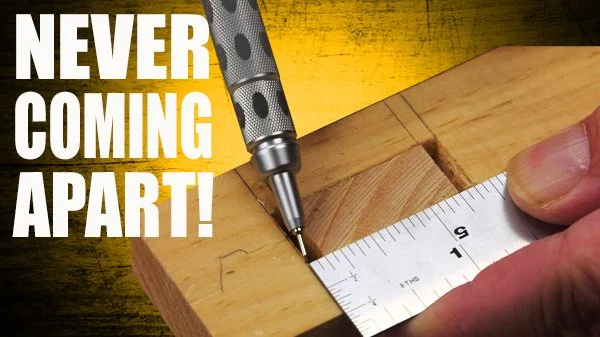
HOW A LITTLE WEDGE MAKES THE STRONGEST JOINT EVER!
The wedged mortise and tenon is one of the strongest mechanical joints in woodworking, combining resistance to shear and tensile forces with a visually striking design. This article walks through every step—from cutting the mortise and shaping the wedges to fitting and gluing the tenon—offering practical tips to avoid common mistakes and achieve a perfect joint.
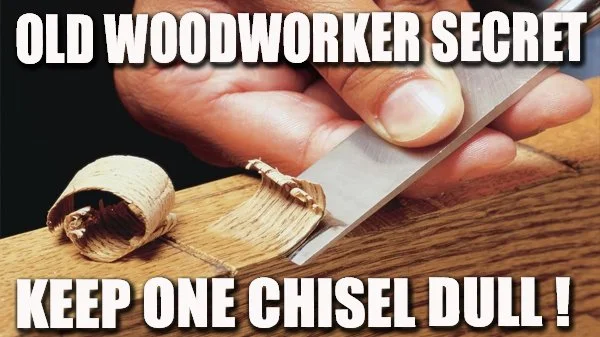
WHY SHARP ISN’T ALWAYS BEST - DULL CHISELS
While sharp chisels are essential for most woodworking tasks, a deliberately blunt chisel can be a surprisingly useful tool for controlled paring and shaping, especially across the grain or on end grain. This article explains how to create a crisp blunt edge, when to use it, and the advantages it offers over ultra-sharp tools in specific scenarios.
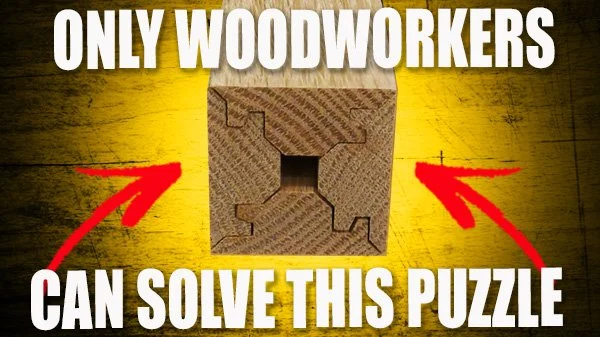
HOW LOCK MITERS CAN MAKE PROJECTS CHEAPER AND BETTER
Learn how to build thick, solid-looking furniture legs from thinner stock using lock-miter joints. This guide covers grain control, safer cutting techniques, and precise assembly for professional-quality results.

LOOSE-TENON JOINERY WITHOUT A FESTOOL DOMINO
Loose tenons simplify traditional mortise and tenon joinery, allowing faster, more repeatable joints without sacrificing strength. This article walks you through creating a custom mortise jig, cutting precise mortises with a router, and sizing loose tenons for a flawless fit.

READ THIS BEFORE USING OIL-BASED POLY FINISHES!
Oil-based polyurethane is a durable, versatile finish that can give your woodworking projects a beautiful, long-lasting surface if applied correctly. This guide walks through surface prep, brushing versus wiping techniques, thinning, sanding between coats, and tips for a flawless, glass-smooth finish.
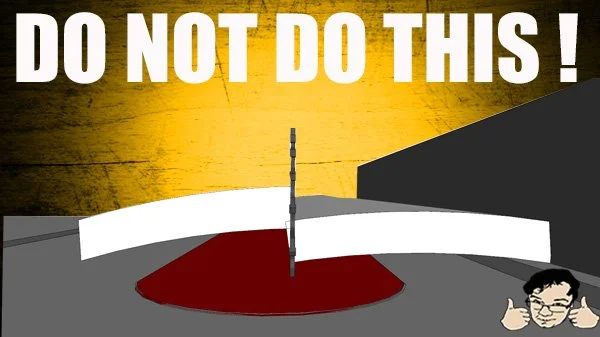
ROUGH SAWN BOARDS AND THE TABLE SAW
Cutting rough or warped boards on a table saw is risky due to bows, twists, cups, and crooks that can cause kickback or binding. This guide explains the dangers and offers safer alternatives, including band saws, hand planes, jigs, and proper use of splitters or riving knives.
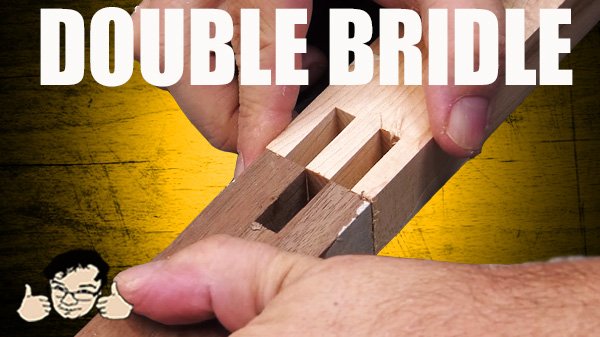
JOINERY LESSONS FROM THE DOUBLE BRIDLE JOINT
The double bridle joint is a great way to practice precise, repeatable joinery on the table saw, and it teaches you how to sneak up on a perfect fit instead of relying solely on pencil lines. With a simple tenon jig and the right blade, you can create a strong, attractive joint that’s customizable and clean.
SAND LIKE A PRO
Sanding may be tedious, but mastering it is the difference between a flawless finish and a disappointing project. With the right grits, techniques, and tools, you can get perfectly smooth surfaces every time—without the swirls, pigtails, or frustration.
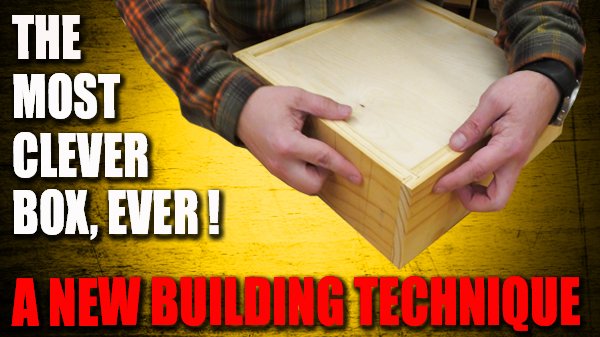
A CLEVER WAY TO MAKE BOXES, CABINETS, AND DRAWERS
The locking rabbet joint with a hidden groove creates drawers and boxes that are self-aligning, strong, and almost as durable as dovetails—without complicated setups. Using just a router and a few clever fence adjustments, you can make professional-quality cabinetry quickly and easily.