
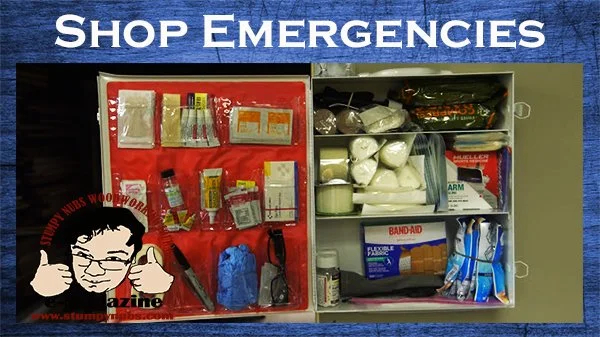
THE FIRST AID KIT WOODWORKERS NEED
Learn how to prepare your woodworking shop for emergencies with a comprehensive first aid kit and practical safety plan. Tips for treating cuts, burns, and severe injuries help keep you and others safe while working with power tools.
HAMMERS AND MALLETS WOODWORKERS NEED TO KNOW ABOUT
Choosing the right hammer or mallet for the task can make woodworking safer, more precise, and more efficient. From cross-peen and ball-peen hammers to dead-blow, lump, and brass mallets, each tool has unique uses that every woodworker should understand.
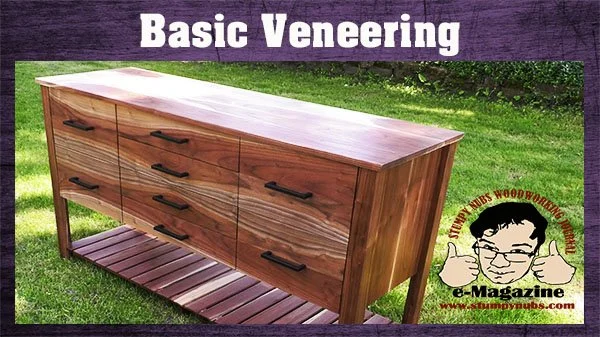
DON’T THROW THAT UGLY WOOD OUT!
With clever techniques like book-matching, veneering, and using plywood backers, even flawed or sapwood-heavy lumber can be transformed into stunning furniture panels. This article shows practical tips for making the most of every board, creating balanced and eye-catching designs from pieces many woodworkers might discard.
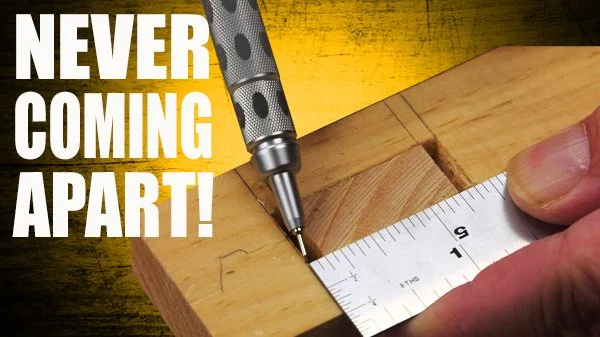
HOW A LITTLE WEDGE MAKES THE STRONGEST JOINT EVER!
The wedged mortise and tenon is one of the strongest mechanical joints in woodworking, combining resistance to shear and tensile forces with a visually striking design. This article walks through every step—from cutting the mortise and shaping the wedges to fitting and gluing the tenon—offering practical tips to avoid common mistakes and achieve a perfect joint.
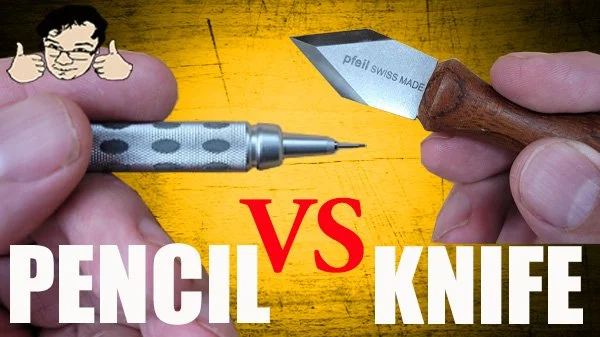
WHEN A KNIFE IS BETTER THAN A PENCIL
Choosing the right marking tool can make a huge difference in woodworking accuracy and efficiency. This article explains when to use pencils, mechanical pencils, marking knives, and marking gauges, with practical tips for selecting the proper tool for rough layout, precise joinery, and everything in between.
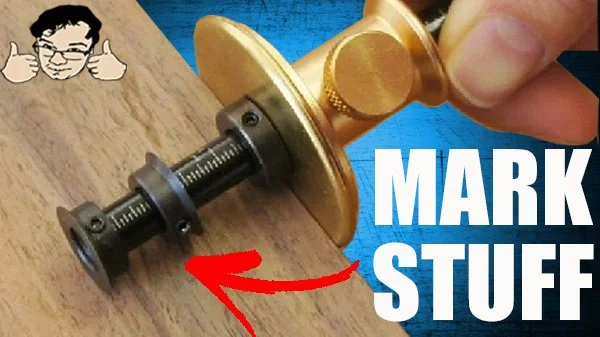
DO YOU NEED A WOOD MARKING GAUGE?
A marking gauge is a timeless woodworking tool that provides precision and repeatability that pencils and rulers alone cannot. This article explores different types of gauges—pin, knife, and disc-style—explaining their uses, proper technique, and applications for joinery, layout, and surface marking.
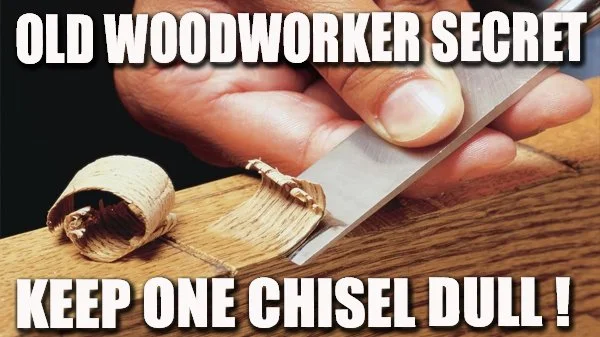
WHY SHARP ISN’T ALWAYS BEST - DULL CHISELS
While sharp chisels are essential for most woodworking tasks, a deliberately blunt chisel can be a surprisingly useful tool for controlled paring and shaping, especially across the grain or on end grain. This article explains how to create a crisp blunt edge, when to use it, and the advantages it offers over ultra-sharp tools in specific scenarios.
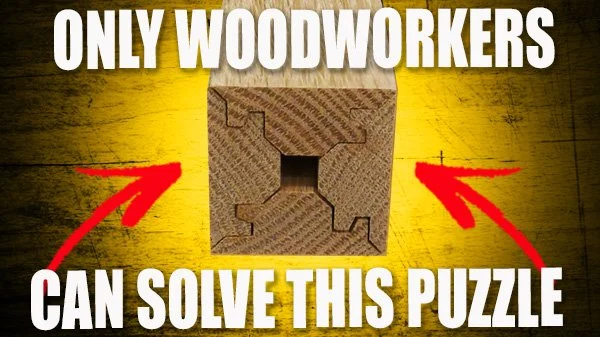
HOW LOCK MITERS CAN MAKE PROJECTS CHEAPER AND BETTER
Learn how to build thick, solid-looking furniture legs from thinner stock using lock-miter joints. This guide covers grain control, safer cutting techniques, and precise assembly for professional-quality results.

LOOSE-TENON JOINERY WITHOUT A FESTOOL DOMINO
Loose tenons simplify traditional mortise and tenon joinery, allowing faster, more repeatable joints without sacrificing strength. This article walks you through creating a custom mortise jig, cutting precise mortises with a router, and sizing loose tenons for a flawless fit.

DO BEVEL ANGLES MATTER?
Do bevel angles on chisels and hand planes really matter? Learn how bevel angles affect cutting, why most woodworkers overthink them, and which simple angles work best for planes and chisels in real-world woodworking.
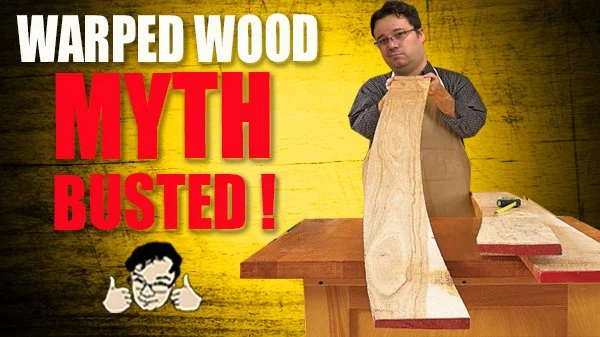
HOW TO STOP WOOD PANELS FROM WARPING
Do alternating growth rings really prevent table tops from warping? Learn why this common woodworking myth persists, how wood actually moves, and how proper joinery—not board orientation—is the real key to flat, stable panels.
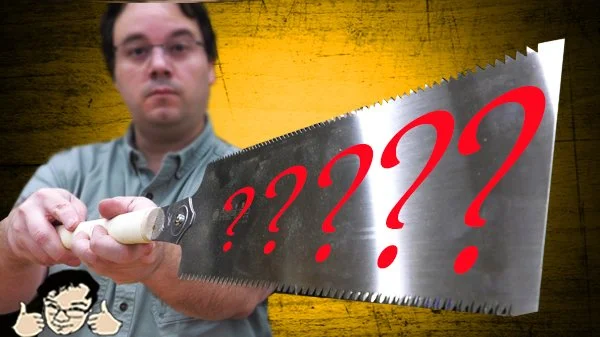
IS JAPAN SLOWLY KILLING WESTERN-STYLE SAWS?
But there’s still a great deal of confusion about how these saws work, the differences between the types available, and whether a Japanese saw is right for you. Most videos and articles focus on the benefits of these tools while largely ignoring the downsides. In this article, I want to present a clear, concise guide to the pros and cons of the three most common types of Japanese saws, so you can make an informed decision about which to try—if any at all.
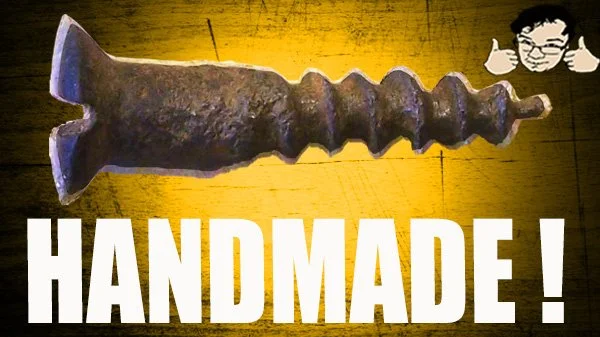
THE HISTORY OF WOOD SCREWS
Explore the history of screws and nails, their strengths and weaknesses, and why nails are still often the best choice for woodworking and construction projects.

READ THIS BEFORE USING OIL-BASED POLY FINISHES!
Oil-based polyurethane is a durable, versatile finish that can give your woodworking projects a beautiful, long-lasting surface if applied correctly. This guide walks through surface prep, brushing versus wiping techniques, thinning, sanding between coats, and tips for a flawless, glass-smooth finish.
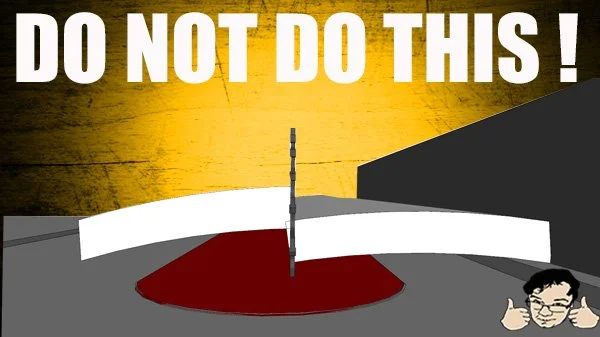
ROUGH SAWN BOARDS AND THE TABLE SAW
Cutting rough or warped boards on a table saw is risky due to bows, twists, cups, and crooks that can cause kickback or binding. This guide explains the dangers and offers safer alternatives, including band saws, hand planes, jigs, and proper use of splitters or riving knives.

HOW TO GROUND YOUR DUST COLLECTION
So in this article, I will teach you how to ground a PVC dust collection system properly, including answering some of the most common questions people have—such as how to address your flex hose, whether to run wire inside or outside the ductwork, and how to get that charge from the pipes and hoses into the physical ground.
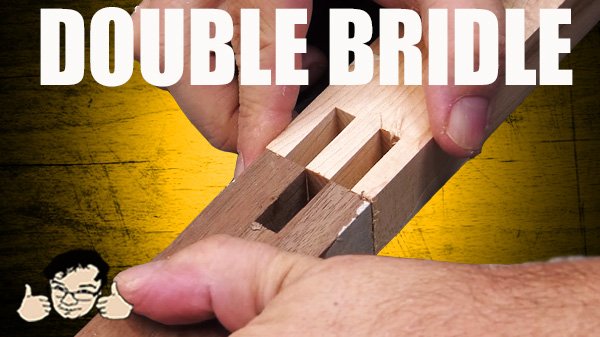
JOINERY LESSONS FROM THE DOUBLE BRIDLE JOINT
The double bridle joint is a great way to practice precise, repeatable joinery on the table saw, and it teaches you how to sneak up on a perfect fit instead of relying solely on pencil lines. With a simple tenon jig and the right blade, you can create a strong, attractive joint that’s customizable and clean.
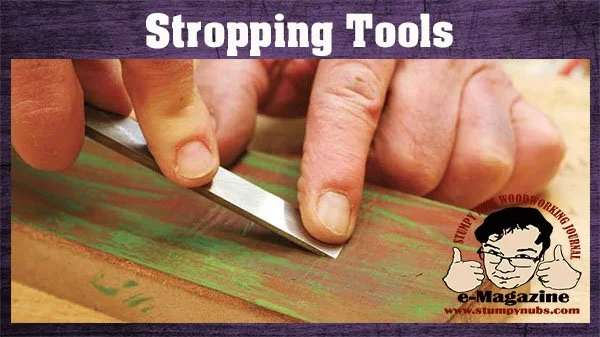
ADDRESSING THE STROPPING MYTH
Learn the truth about stropping woodworking tools—how leather, light abrasives, and proper technique can keep chisels and plane irons razor-sharp without expensive sharpening stones. This guide breaks down compounds, materials, and methods so you can sharpen faster, cheaper, and with better results.
SAND LIKE A PRO
Sanding may be tedious, but mastering it is the difference between a flawless finish and a disappointing project. With the right grits, techniques, and tools, you can get perfectly smooth surfaces every time—without the swirls, pigtails, or frustration.
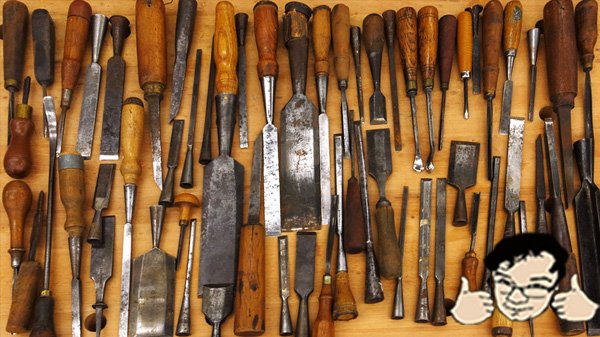
WHY A LOT OF TOOL STEEL IS BAD
Discover whether antique chisels truly outperform modern tools as we explore the evolution of western tool steel—from bloomeries and blister steel to crucible steel and today’s advanced alloys. Learn why modern chisels often deliver better performance, sharper edges, and greater reliability than vintage favorites.