
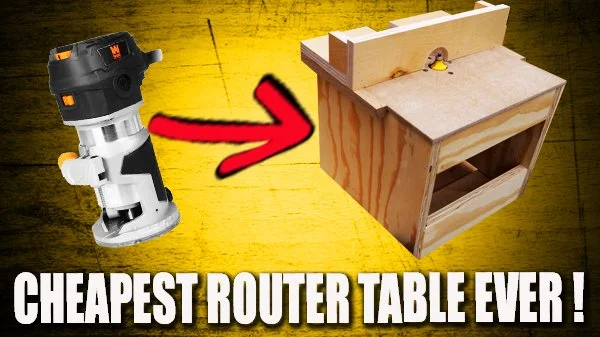
A DIY ROUTER TABLE THAT COSTS NOTHING!
This simple DIY portable router table turns a handheld trim router into a compact, versatile workstation you can build in about an hour from shop scraps. It’s cheap, clever, easy to store, and useful for far more than just cutting box joints.
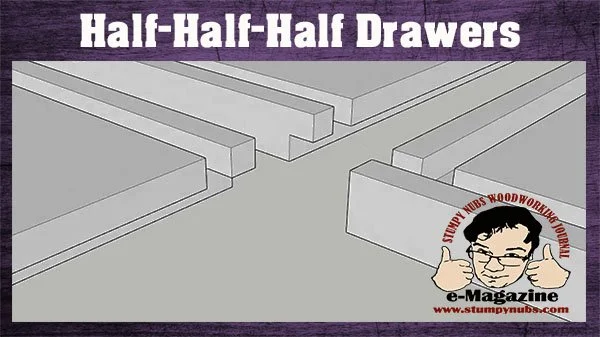
FAST AND EASY DRAWERS: THE HALF-HALF-HALF METHOD
Build strong, precise drawers fast with the half-half-half method. One table saw setup cuts all joints—no dovetails or complex setups needed.
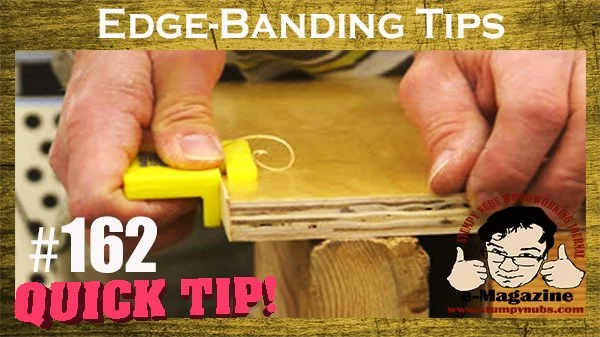
EDGE BANDING PLYWOOD
Edge banding doesn’t have to be frustrating—these pro tips will help you choose the right banding, apply it cleanly, and finish it smooth. From preventing “creeping” to trimming and filing, you’ll save time and get professional-looking edges every time.
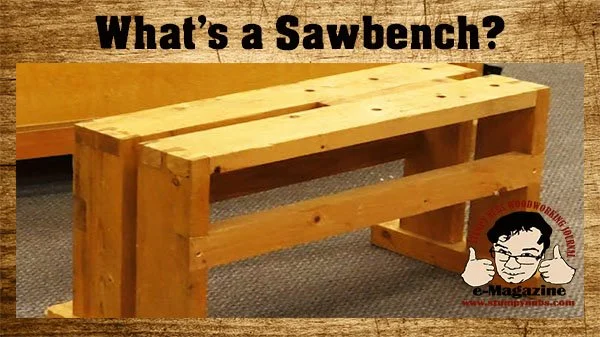
DO YOU NEED A SAWBENCH?
Every woodworker knows they need a workbench. We’ve made plenty of workbench-related tutorials—you can find those on Youtube. But do you also need a saw bench, or two? I think so—and that’s what this article is about.
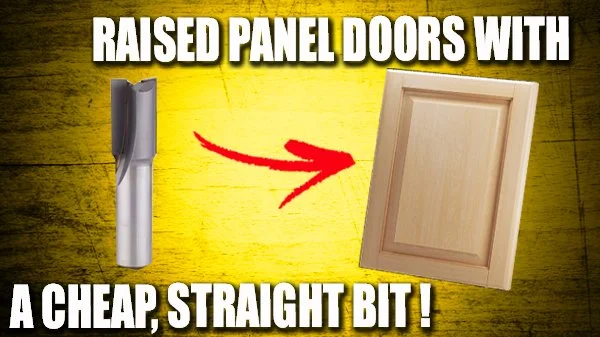
HOW TO MAKE RAISED PANELS WITHOUT EXPENSIVE TOOLS
Raised panels are a fundamental part of cabinets and furniture. If you're into woodworking, you'll eventually need to make them—and when you do, you’ll be bombarded with videos and articles that demonstrate all sorts of methods using tools you probably don’t have. In this article, I’m going to walk you through how to make raised panels quickly, easily, and safely with just a regular straight router bit.
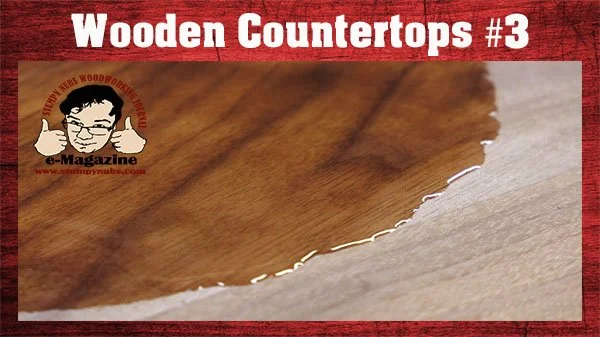
A FINISH DURABLE ENOUGH FOR A WOODEN COUNTERTOP
In this article, I’m tackling one of the most common questions viewers ask: How do you choose and apply a durable finish for wooden countertops?
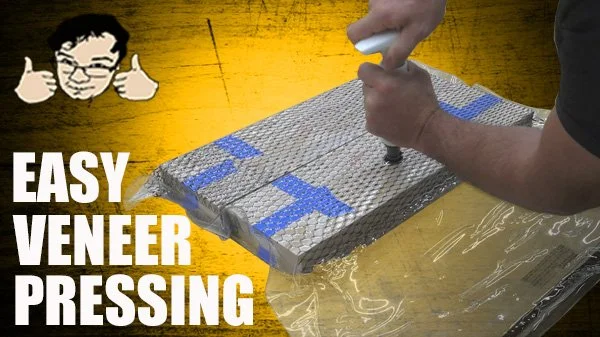
VENEERING BASICS FOR THE WEEKEND WOODWORKER
Veneering isn’t just for pros—it’s an approachable, game-changing technique that can elevate even small woodworking projects. From contact cement to vacuum pressing, this guide breaks down three practical methods to help you achieve clean, stable, professional-looking panels.
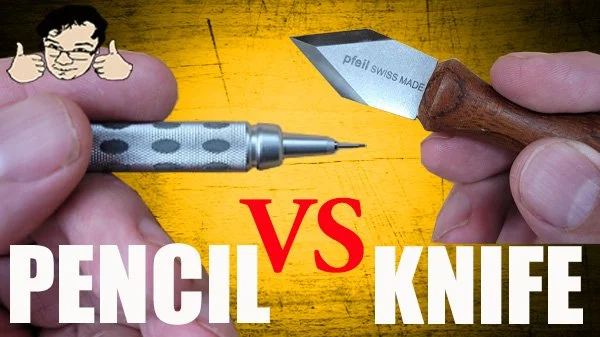
WHEN A KNIFE IS BETTER THAN A PENCIL
Choosing the right marking tool can make a huge difference in woodworking accuracy and efficiency. This article explains when to use pencils, mechanical pencils, marking knives, and marking gauges, with practical tips for selecting the proper tool for rough layout, precise joinery, and everything in between.
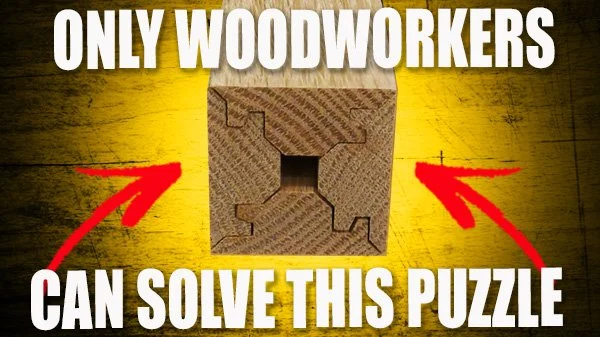
HOW LOCK MITERS CAN MAKE PROJECTS CHEAPER AND BETTER
Learn how to build thick, solid-looking furniture legs from thinner stock using lock-miter joints. This guide covers grain control, safer cutting techniques, and precise assembly for professional-quality results.

LOOSE-TENON JOINERY WITHOUT A FESTOOL DOMINO
Loose tenons simplify traditional mortise and tenon joinery, allowing faster, more repeatable joints without sacrificing strength. This article walks you through creating a custom mortise jig, cutting precise mortises with a router, and sizing loose tenons for a flawless fit.
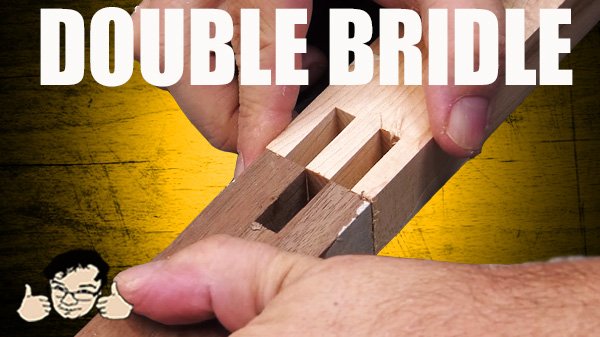
JOINERY LESSONS FROM THE DOUBLE BRIDLE JOINT
The double bridle joint is a great way to practice precise, repeatable joinery on the table saw, and it teaches you how to sneak up on a perfect fit instead of relying solely on pencil lines. With a simple tenon jig and the right blade, you can create a strong, attractive joint that’s customizable and clean.

WILL A CHEAP 2X6 PINE WORKBENCH LAST?
Eight years later, a recycled-construction-lumber workbench is still rock solid thanks to clever layered joinery and bone-dry salvaged wood. While a few vise placements and design choices could be improved, the bench has proven that you don’t need expensive hardwoods to build a durable, high-quality workbench.

INDESTRUCTIBLE: I have NEVER seen a box made like this before
This box features a one-of-a-kind “impossible dovetail joint” that cannot be assembled or disassembled conventionally, inspired by centuries-old German log cabin joinery. Its creation required careful planning, compound-angle cutting, and meticulous assembly, making it both a technical challenge and a unique conversation piece.

I FIGURED OUT HOW TO NEVER PAY FOR WOOD AGAIN
Woodworking doesn’t have to break the bank—there are countless ways to find low-cost or even free lumber, from firewood and pallets to yard sales and local sawyers. With a little effort and creativity, you can score high-quality wood while saving money for your next project.

CASE HARDENING: THE SCOURGE OF WOODWORKING
Case hardening happens when lumber is dried too quickly, creating internal stress that causes boards to warp, pinch, or even crack once cut. Learn how to spot this hidden defect before it ruins your wood — and how to handle it if you find it.

THE BEST ROUTER TRICK I KNOW - MAKING PICTURE FRAMES WITH REGULAR ROUTER BITS
Router bits aren't cheap. I think that's why a lot of folks just use the same one or two profiles on every project. Those are simply the bits in their set, and they don't have the budget to buy a fancy, complex profile bit just to make one project. But early on in my woodworking career I learned a skill that saved me a lot of money…

UNLOCKING THE FULL POTENTIAL OF YOUR BANDSAW
For years, I thought I had the bandsaw figured out. My method was straightforward: cut as close to the lines as possible and then rely on sanding to clean up the edges. It worked, but it was labor-intensive, generating a lot of dust and requiring significant effort. It wasn’t until I discovered a new technique for steering the blade that I realized I had been missing out on the bandsaw's true potential.