
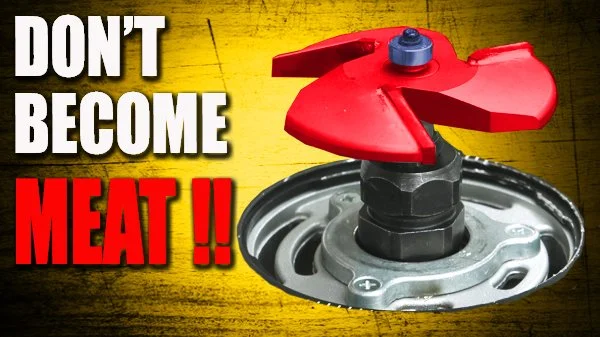
USING LARGE ROUTER BITS SAFELY
Large router bits can be far more dangerous than they look. Learn how bit size, weight, RPM, and cutting technique affect safety—and how to avoid kickback, vibration, and catastrophic failures when routing big profiles.
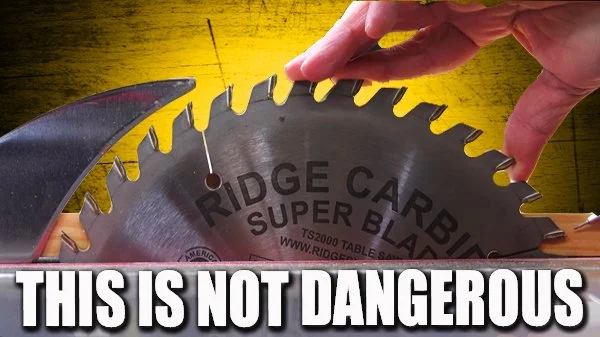
THIS SHOULD END THE SAW BLADE HEIGHT DEBATE
What is the best table saw blade height? Learn how blade height affects safety, kickback, tear-out, heat, and cut quality—and why rigid rules don’t work in real-world woodworking.
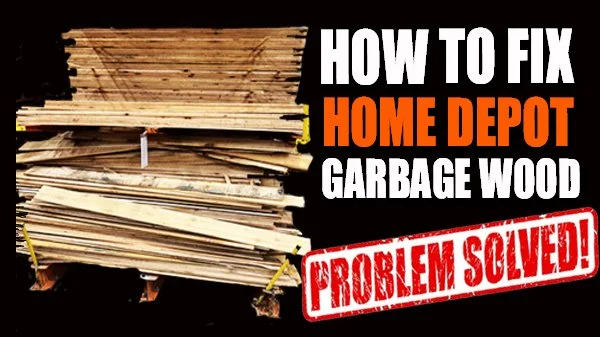
HOW TO GET A FLAT TABLE TOP FROM CONSTRUCTION LUMBER
Learn how to choose construction lumber that stays flat by identifying straight-grain, rift-sawn, and quarter-sawn sections hidden inside wide boards. This guide shows how smart wood selection—plus a simple cutting strategy—can turn inexpensive home-center pine into a long-lasting, stable tabletop.

WHY BOARDS CUP AWAY FROM THE CENTER OF A TREE
Discover a clever paper model from a 1936 issue of The Woodworker that visually explains how and why wood moves as it dries. Learn how flat-sawn, square, and quarter-sawn boards react to moisture changes so you can plan stronger, more reliable woodworking projects.
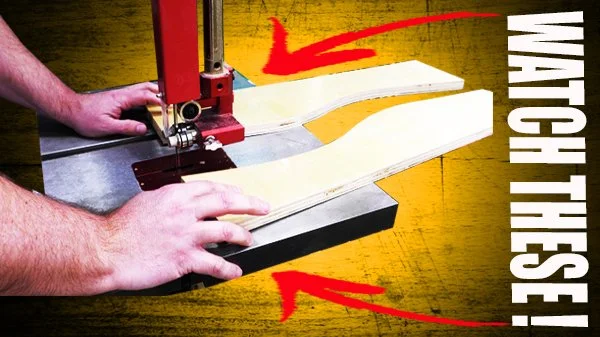
THE MISUNDERSTOOD BANDSAW FOOT BREAK
Learn why some bandsaws feature a mechanical foot brake and how it improves safety and convenience in the shop. Discover how a foot brake lets you stop the blade instantly and maintain full control while cutting.
RED VS WHITE OAK - IMPORTANT DIFFERENCES
Red oak and white oak may look similar, but their differences can make or break your project. This guide cuts through the confusion with simple, woodworker-focused advice on how to tell them apart and when to use each.
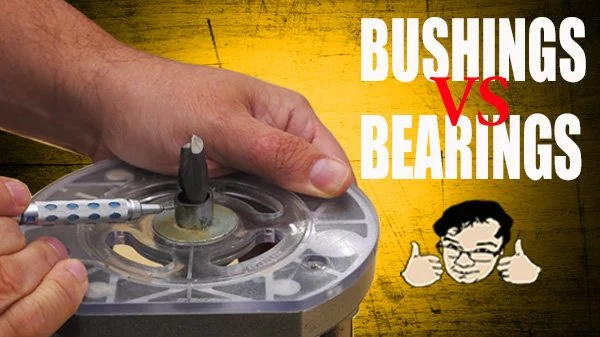
ROUTER BUSHINGS VS BEARINGS: WHAT YOU SHOULD KNOW
Router bushings and bearing-guided bits may seem similar, but they serve very different purposes. This guide explains when to use each one—so your mortises, templates, and flush trims come out accurate, clean, and safe.

WHAT’S THE LITTLE DIAL ON YOUR SANDER FOR?
Sanding speed can make the difference between a flawless surface and ugly pigtail scratches. This guide explains how to balance sander RPMs with hand movement for smoother, cleaner results every time.
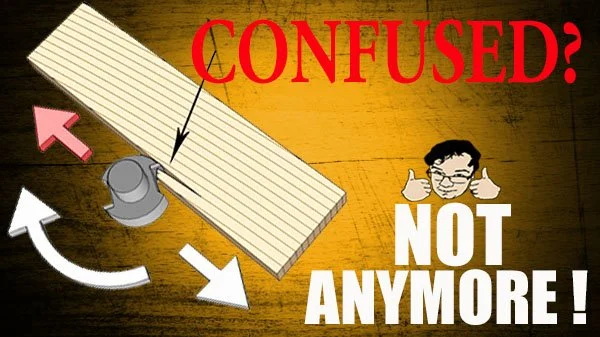
THE COMMON MISUNDERSTANDING OF SAFE ROUTER FEED DIRECTION
Feeding a router the wrong way can ruin your cut—or worse, be dangerous. This guide explains push cuts vs. climb cuts, when to use each, and how feed direction changes between handheld routers and router tables.
TIPS AND TRICKS FOR CHOOSING AND USING WOODWORKING DRILL BITS
In its simplest form, woodworking is a lot of cutting shapes and boring holes. To work at an acceptable level, you must cut and bore accurately. We've made plenty of cutting videos—but very few about boring. That changes today!
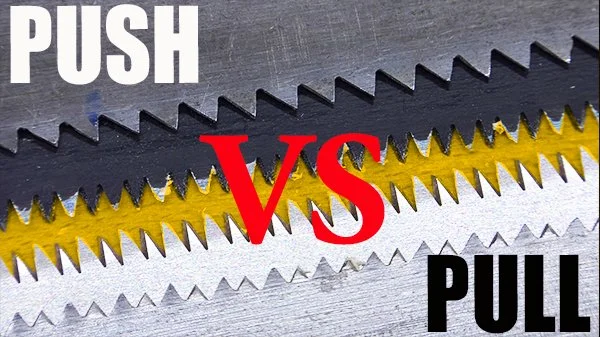
DO JAPANESE SAWS CUT FASTER THAN WESTERN SAWS?
Discover whether Western push saws or Japanese pull saws are faster in the workshop. This detailed comparison explores rip cuts, crosscuts, and joinery to help woodworkers choose the right saw for their style.

HOW PROS MAKE PINE LOOK GOOD WITH STAIN AND DYE
Learn how to prevent blotchy stains on pine and achieve a smooth, professional-looking finish. Discover expert tips using pre-stain conditioners, gel stains, and colored wax for flawless results.
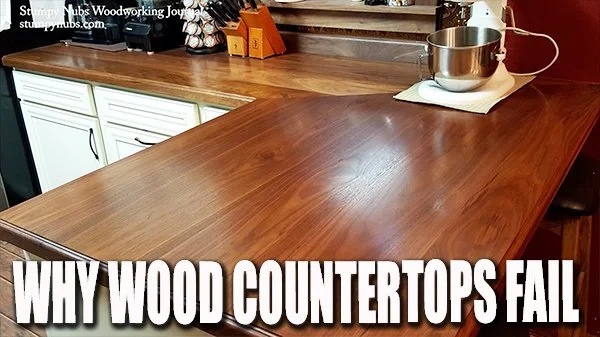
BUTT JOINT VS MITER JOINT: WHICH SHOULD YOU USE?
Learn how to choose and execute miter and butt joints for large wood panels like countertops and desktops. Discover tips for handling wood movement, alignment, and fastening to create seamless, durable corner joints.
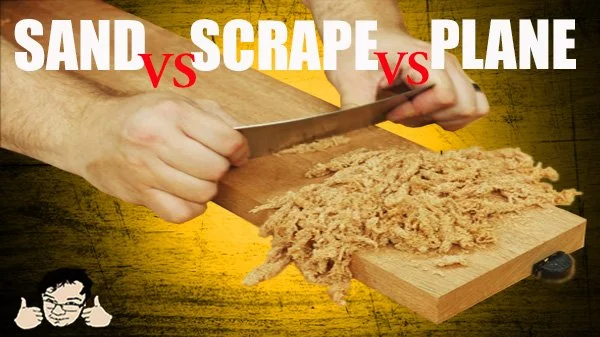
IS IT BETTER TO SAND, SCRAPE, OR PLANE WOOD?
Sanding, scraping, and planing each have strengths and trade-offs when preparing wood: sanding is the most forgiving and convenient, scraping is slightly faster but physically demanding, and planing is fast and effortless—if the wood cooperates. Choosing the right method depends on your skill level, project needs, and how much you prioritize speed, effort, and control.
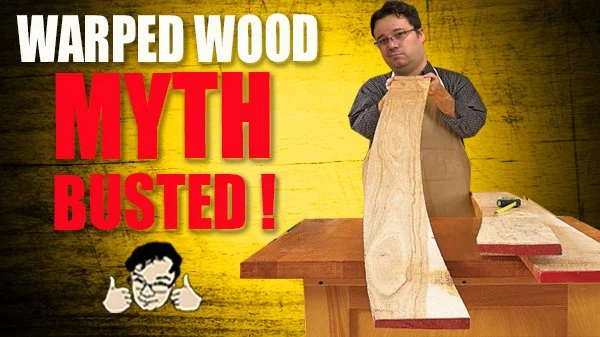
HOW TO STOP WOOD PANELS FROM WARPING
Do alternating growth rings really prevent table tops from warping? Learn why this common woodworking myth persists, how wood actually moves, and how proper joinery—not board orientation—is the real key to flat, stable panels.

HOW TO GROUND YOUR DUST COLLECTION
So in this article, I will teach you how to ground a PVC dust collection system properly, including answering some of the most common questions people have—such as how to address your flex hose, whether to run wire inside or outside the ductwork, and how to get that charge from the pipes and hoses into the physical ground.
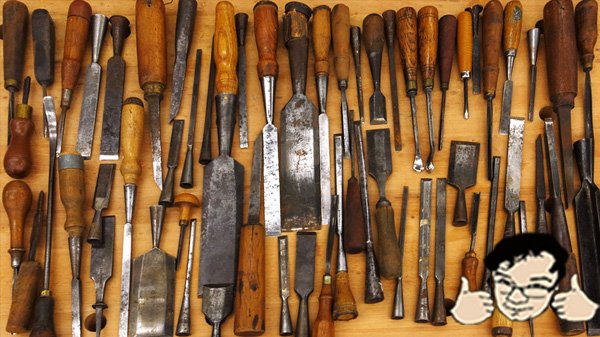
WHY A LOT OF TOOL STEEL IS BAD
Discover whether antique chisels truly outperform modern tools as we explore the evolution of western tool steel—from bloomeries and blister steel to crucible steel and today’s advanced alloys. Learn why modern chisels often deliver better performance, sharper edges, and greater reliability than vintage favorites.

HOW TO READ A TAPE MEASURE WITHOUT LOOKING LIKE AN IDIOT
Learn how to read a measuring tape the right way, from understanding the moving hook to identifying fractions by line length. This clear, beginner-friendly guide teaches the essential measuring skills every woodworker and DIYer should know.
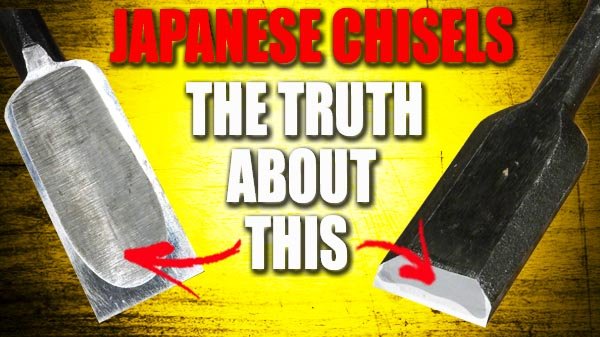
THE FORGOTTEN HISTORY BEHIND JAPANESE CHISELS
Discover the history, technology, and craftsmanship behind Japanese woodworking chisels—from samurai sword origins to laminated steel, hollow backs, and traditional handles. Learn what makes these tools unique and whether they deserve a place in your workshop.

THE HISTORY OF SANDPAPER
Discover the real history of sanding, from ancient Egyptian abrasives to sharkskin and early sandpaper used by master woodworkers. Learn why sanding is a time-honored technique—and why traditional craftsmen would have loved today’s premium sandpapers.