
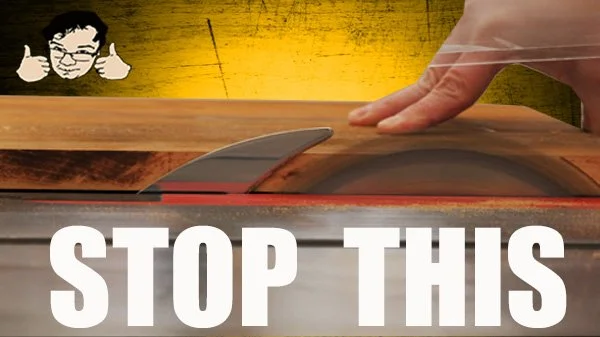
STOP BURNING WOOD WITH A TABLE SAW
Learn what causes scorch and burn marks when cutting wood on a table saw and how to prevent them. Discover how blade cleanliness, sharpness, feed rate, alignment, and wood choice affect burning.
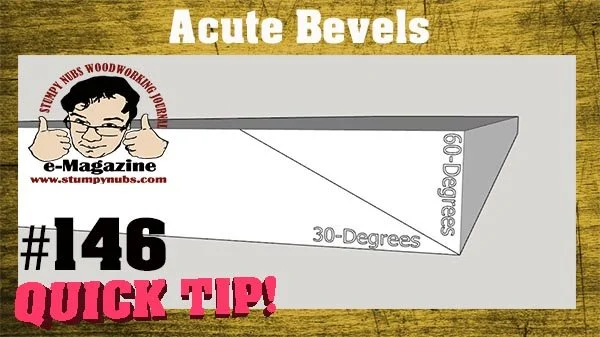
HOW TO CUT ACUTE BEVELS ON THE TABLE SAW
Learn how to cut acute bevel angles, such as 30 degrees, on a table saw using simple math and a safe support technique—no specialty jigs required.
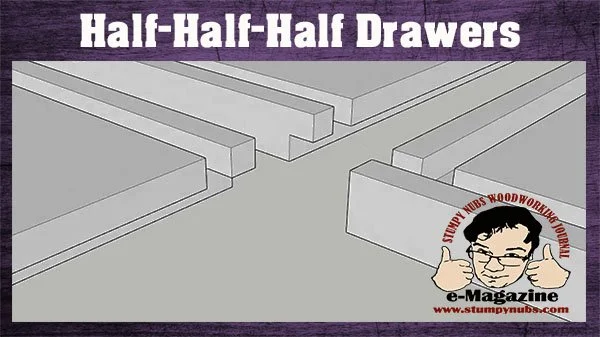
FAST AND EASY DRAWERS: THE HALF-HALF-HALF METHOD
Build strong, precise drawers fast with the half-half-half method. One table saw setup cuts all joints—no dovetails or complex setups needed.
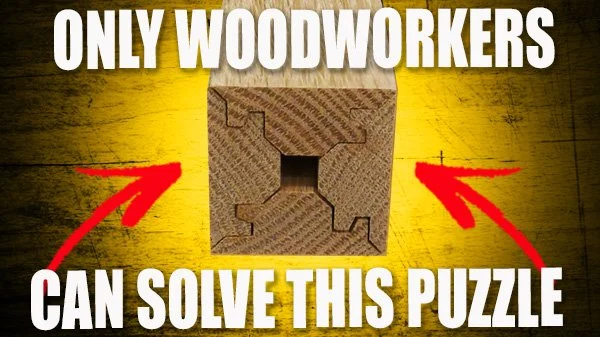
HOW LOCK MITERS CAN MAKE PROJECTS CHEAPER AND BETTER
Learn how to build thick, solid-looking furniture legs from thinner stock using lock-miter joints. This guide covers grain control, safer cutting techniques, and precise assembly for professional-quality results.
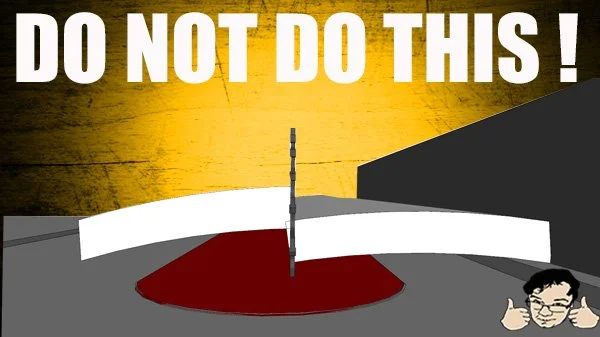
ROUGH SAWN BOARDS AND THE TABLE SAW
Cutting rough or warped boards on a table saw is risky due to bows, twists, cups, and crooks that can cause kickback or binding. This guide explains the dangers and offers safer alternatives, including band saws, hand planes, jigs, and proper use of splitters or riving knives.
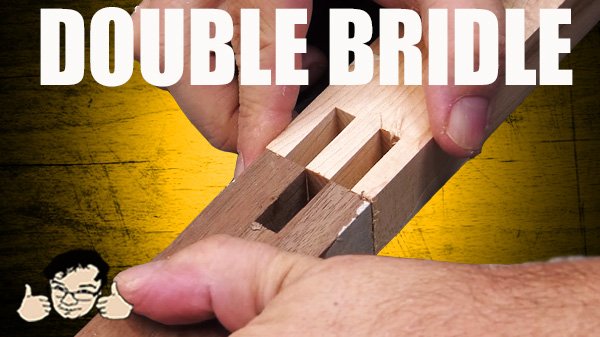
JOINERY LESSONS FROM THE DOUBLE BRIDLE JOINT
The double bridle joint is a great way to practice precise, repeatable joinery on the table saw, and it teaches you how to sneak up on a perfect fit instead of relying solely on pencil lines. With a simple tenon jig and the right blade, you can create a strong, attractive joint that’s customizable and clean.

THE CLEVER 10-SECOND WOODWORKING TRICK I USE TO IMPRESS PEOPLE
Learn an easy and reliable technique to make precise end, cross, and angled lap joints for your woodworking projects. Using a shim and stop block method ensures a perfect fit every time, whether on a table saw or router table.
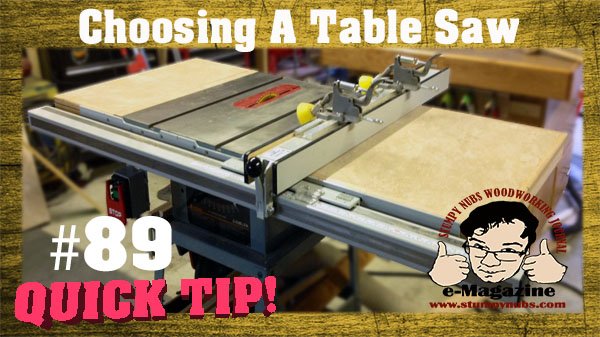
CHOOSING A TABLE SAW
Confused about which table saw to buy? Learn the differences between portable, contractor, hybrid, and cabinet saws, including pros, cons, and expert tips to pick the right saw for your shop and budget.

THE THIN KERF DEBATE: A WOODWORKER’S PERSPECTIVE
Nowadays, like anything else, people love to argue about the pros and cons of blade thicknesses. And there’s a lot of misinformation out there—whether you should even be using thin kerf blades, and whether the wrong blade choice can make your table saw more dangerous.