

DO BEVEL ANGLES MATTER?
Do bevel angles on chisels and hand planes really matter? Learn how bevel angles affect cutting, why most woodworkers overthink them, and which simple angles work best for planes and chisels in real-world woodworking.
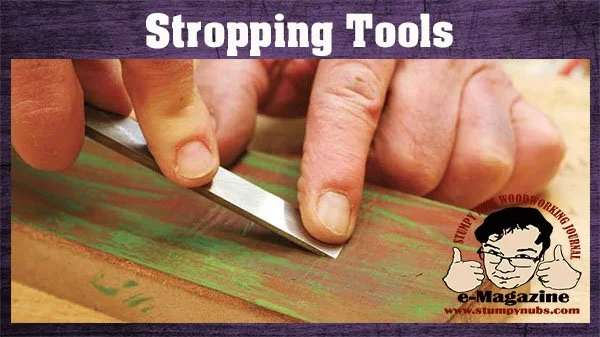
ADDRESSING THE STROPPING MYTH
Learn the truth about stropping woodworking tools—how leather, light abrasives, and proper technique can keep chisels and plane irons razor-sharp without expensive sharpening stones. This guide breaks down compounds, materials, and methods so you can sharpen faster, cheaper, and with better results.
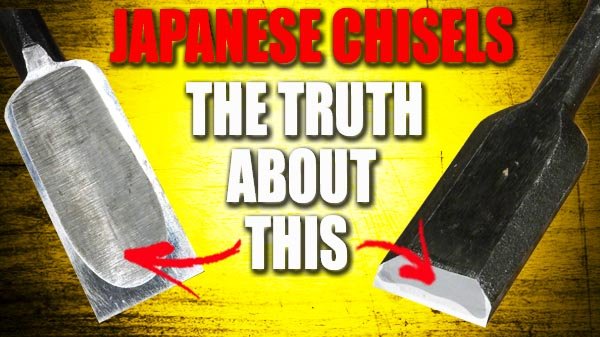
THE FORGOTTEN HISTORY BEHIND JAPANESE CHISELS
Discover the history, technology, and craftsmanship behind Japanese woodworking chisels—from samurai sword origins to laminated steel, hollow backs, and traditional handles. Learn what makes these tools unique and whether they deserve a place in your workshop.

THE TRUTH ABOUT HOLLOW GRINDS: DO THEY REALLY WEAKEN YOUR EDGE?
Discover the truth about hollow grinding and edge durability. Learn why grinding wheel sharpening doesn’t weaken your tools and how simple technique keeps edges strong.